
Beautiful Plants For Your Interior
Beautiful Plants For Your Interior
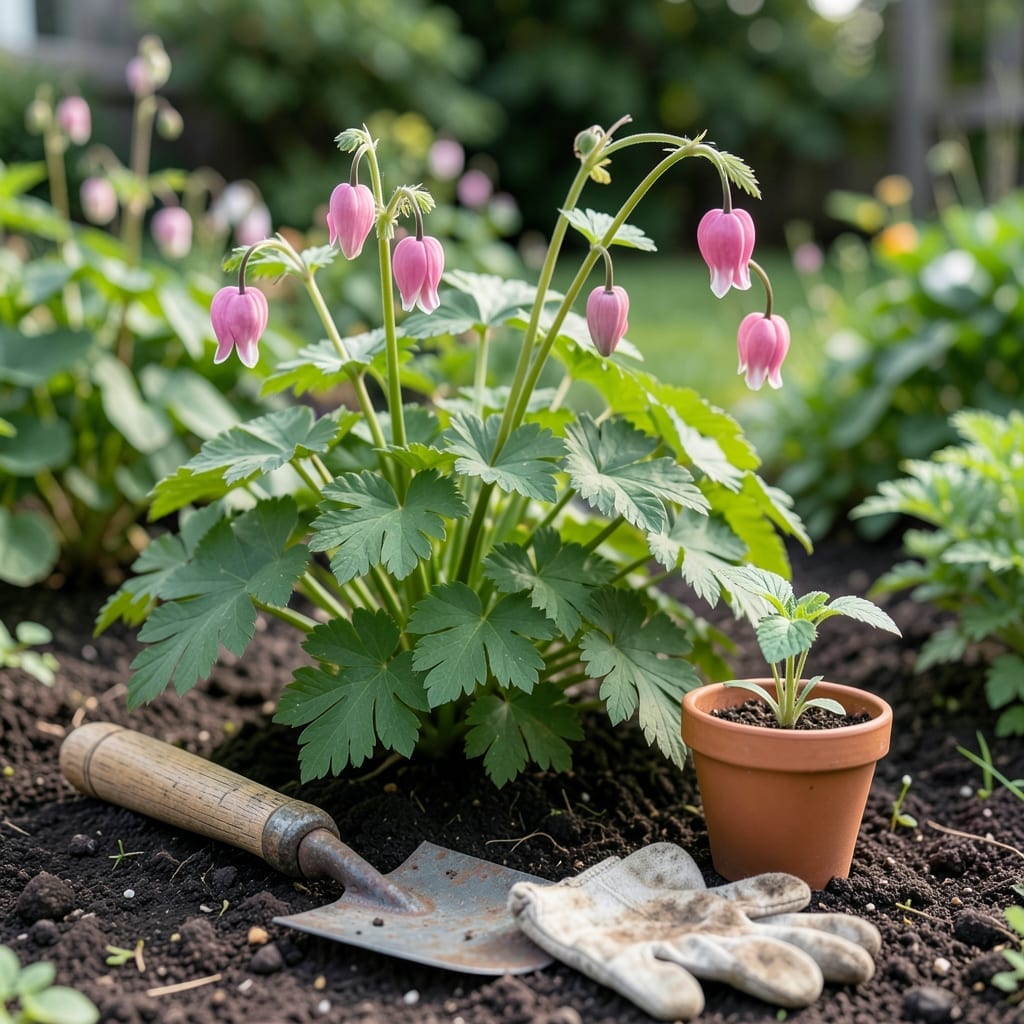
Transplanting a bleeding heart at the right time ensures its delicate fern-like foliage and iconic 💖 blooms thrive. Move it too early or late, and you risk shocking this shade-loving perennial.
I’ve learned the hard way that timing is everything with Bleeding Heart. The best windows are early spring or fall, when the plant is dormant and temperatures are mild.
Let me share the most important signs to watch for and regional tips to make your transplant a success. Your garden will thank you.


Timing your bleeding heart transplant correctly prevents shock and ensures robust growth. I always aim for early spring or fall when the plant is dormant and less vulnerable to stress.
In USDA zones 3-9, the sweet spot is March-April or September-November. These windows avoid extreme heat or cold, giving roots time to establish before active growth or winter dormancy.
| Season | Ideal Months | Temperature Range | Key Benefit |
|---|---|---|---|
| Early Spring | March-April | 40-60°F | Establishes before summer heat |
| Fall | September-November | 50-70°F | Roots settle before winter |
| Avoid | May-August | Above 75°F | Heat stress risk |
Watch for these ready-to-move signs: foliage dies back in fall or hasn’t emerged in spring. This dormancy means the plant won’t waste energy on new growth during the transition.
In warmer zones 7-9, you can push fall transplanting to late October. Cooler zones 3-6 should finish by mid-September to avoid early frosts.
The soil temperature should be above 40°F for spring moves. Use a soil thermometer to check – it’s a game-changer for precision.
I’ve found morning transplanting works best. The cooler temps and lower sun intensity reduce stress on the plant during its first hours in a new location.
After moving, keep the soil consistently moist for 2-3 weeks. This is critical while the bleeding heart re-establishes its root system.
Remember that partial shade locations help the plant recover faster. Avoid full sun spots, as the tender new roots can’t handle the heat yet.
If you must transplant during summer, do it on a cloudy day and provide temporary shade. But honestly, it’s better to wait for the ideal windows I mentioned earlier.
Your bleeding heart will reward proper timing with vibrant blooms and lush foliage next season 🌿
Moving a bleeding heart plant requires care to avoid shocking its delicate roots. I always start by preparing the new hole first, making it twice as wide as the root ball.
Gently dig around the plant, keeping as much soil attached to the roots as possible. The more intact the root ball, the less stress your bleeding heart will experience.
Place the plant in its new location at the same depth it was growing before. I find that partial shade spots work best for recovery, especially in warmer climates.
After planting, water deeply to settle the soil and eliminate air pockets. I recommend using 1-2 inches of water initially, then maintaining consistent moisture for 2-3 weeks.
Mulching is crucial after transplanting. Apply a 2-3 inch layer of organic mulch around the base, keeping it 1 inch away from the stems to prevent rot.
Monitor your bleeding heart closely for the first 2 weeks. If leaves wilt, provide temporary shade and increase watering frequency. The plant should show new growth within 3-4 weeks 🌱