
Beautiful Plants For Your Interior
Beautiful Plants For Your Interior
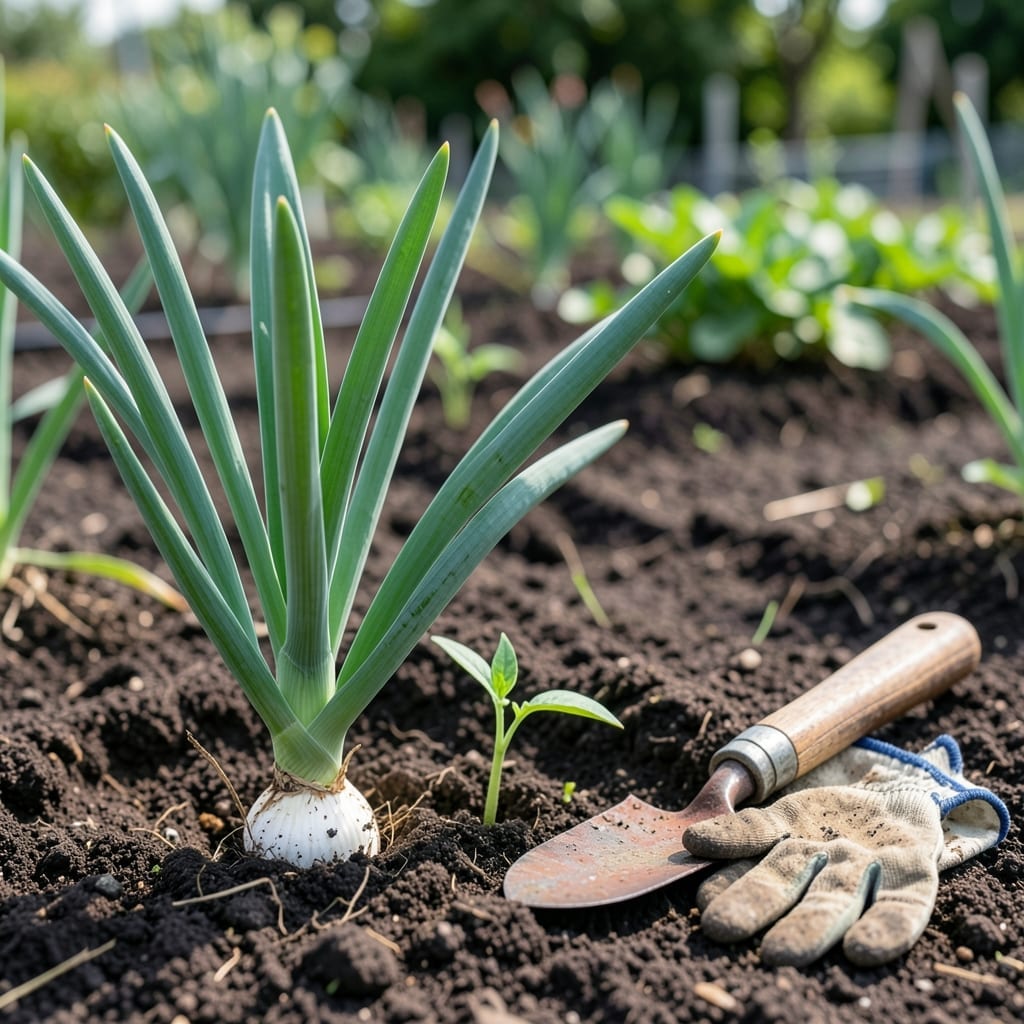
Timing is everything when it comes to moving your 🧄 Allium to a new spot. Get it right, and you’ll be rewarded with healthier plants and more vibrant blooms.
I’ve learned through experience that choosing the best moment makes all the difference. Whether you’re a seasoned gardener or just starting out, knowing when to make the move is the key to success.
For Allium in zone 6a, the ideal window is just after the last frost, when the soil becomes workable. This gives your plants the best chance to establish themselves before the growing season kicks in.
Discover the simple but crucial timing that will set your Allium up for thriving growth in its new home. Let’s dig into the details that matter most.


Timing is everything when moving allium bulbs. I’ve found the best windows are early spring or fall, when the soil is workable but the plant isn’t actively growing. This minimizes transplant shock and gives roots time to establish.
For most USDA zones, March to April in spring and September to October in fall are ideal. The soil temperature should be above 40°F to encourage root growth. In warmer zones, you might start earlier, but always check your local frost dates first.
| Season | USDA Zones | Soil Temp | Notes |
|---|---|---|---|
| Early Spring | 3-8 | 40-50°F | After last frost |
| Fall | 4-9 | 50-60°F | 6 weeks before frost |
| Winter | 9-11 | 60°F+ | Mild climates only |
In spring transplanting, aim for cool but frost-free days. The bulbs will focus on root growth before the summer heat kicks in. I always wait until the soil is dry enough to work—soggy soil compacts too easily and can suffocate new roots.
For fall transplanting, timing is critical. You want the bulbs to establish roots before dormancy but not sprout new growth. In my experience, 6 weeks before the first frost gives the perfect window. This allows roots to grow but prevents tender shoots from emerging too soon.
If you’re in a warmer climate like zones 9-11, you might transplant in late winter. The key is avoiding extreme heat or cold. I’ve seen alliums struggle when moved during peak summer due to heat stress, so I avoid that entirely.
Watch for soil conditions too. Alliums hate waterlogged soil, so ensure your new spot has good drainage. I like to amend the soil with compost or sand to improve structure. This is especially important in clay-heavy areas.
Another tip: transplant on a cloudy day or in the early morning. This reduces stress from sun exposure and gives the plants time to adjust. I’ve noticed my alliums recover faster when they’re not battling midday heat right after the move.
Finally, consider the bulb size. Larger, established bulbs can handle transplanting better than small offsets. If you’re moving young bulbs, be extra gentle and give them more time to recover. I often mark their new locations with stakes to avoid disturbing them.
By following these seasonal guidelines and paying attention to your local climate, your alliums will thrive in their new home with minimal stress and maximum bloom potential.
🌱Transplanting allium bulbs requires care to avoid shock. I always start by selecting a cloudy day to reduce stress on the plants. This gives them time to adjust without harsh sunlight exposure. 🌱
Before digging, I water the allium plants thoroughly to keep the root ball intact. This makes it easier to lift them from the soil without damage. A good tip is to use a garden fork for gentle leverage.
After moving the allium bulbs, I ensure they’re planted at the same depth as their original spot. This prevents root stress and encourages quick establishment. A good rule is to measure the bulb’s height before replanting.
I always mulch lightly around the base to retain moisture and suppress weeds. Organic mulch like straw or shredded leaves works best. This also helps regulate soil temperature during adjustment.
For the first week, I monitor the allium plants closely for signs of transplant shock, such as wilting or yellowing leaves. If I notice issues, I provide extra water and shade temporarily.
Finally, I avoid fertilizing immediately after transplanting. Instead, I wait 2-3 weeks to let the roots settle. This prevents nutrient burn and supports healthy recovery. ✂️