
Beautiful Plants For Your Interior
Beautiful Plants For Your Interior
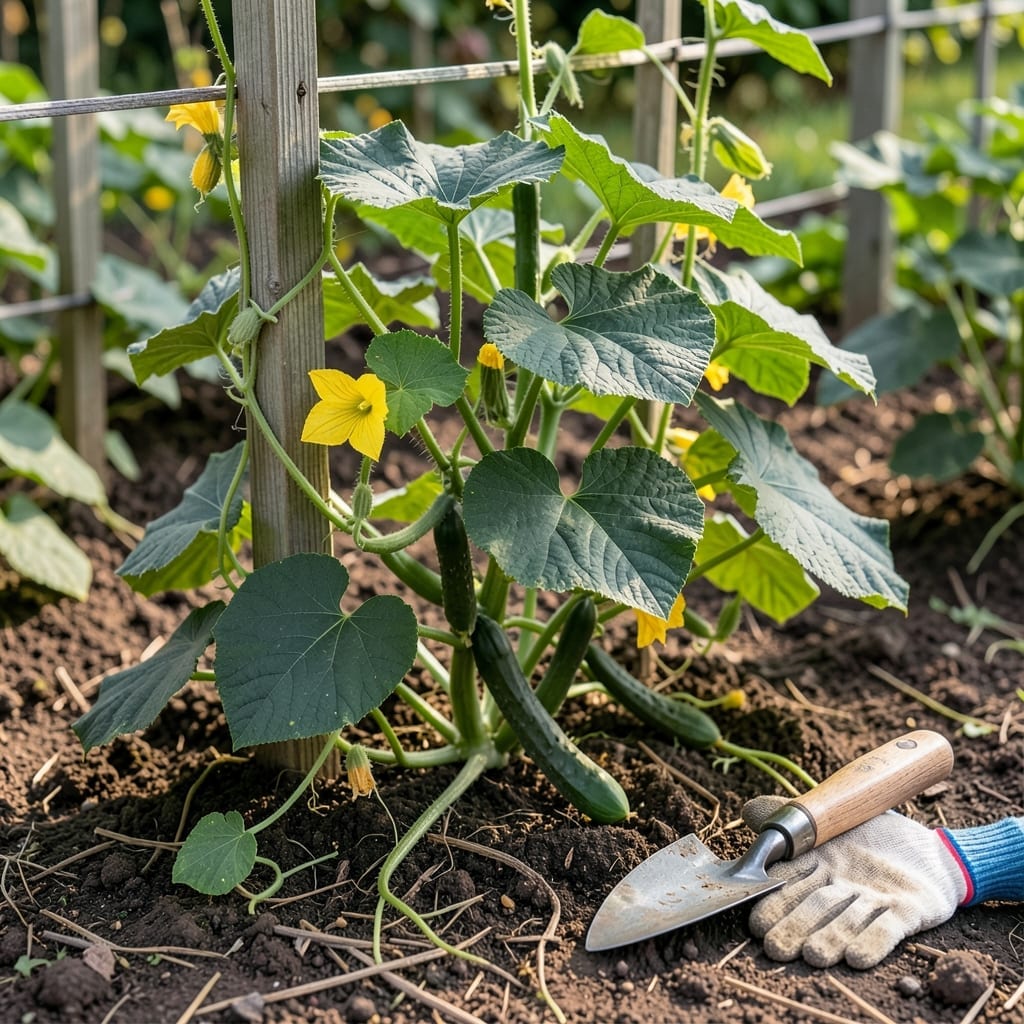
Thinning cucumber seedlings often feels like a tough choice – you’re removing plants you’ve nurtured. But here’s the truth: this step is the key to a bountiful harvest of 🥒 Cucumbers.
When left to grow too close together, your plants compete for resources, leading to weak stems and smaller yields. I’ve seen the difference firsthand, and proper spacing transforms the health of your garden.
Timing is everything with Cucumbers. Do it too soon, and you might remove perfectly good seedlings. Wait too long, and you’ve missed the window for optimal growth.
Let me walk you through exactly when and how to thin your Cucumber seedlings for the strongest, most productive plants possible this season.
Timing is everything when thinning cucumber seedlings. I’ve learned that doing it too early can shock delicate sprouts, while waiting too long leads to tangled roots and weak plants. The sweet spot is when seedlings have 2-3 true leaves and are about 2-3 inches tall. 🌱
At this stage, they’re sturdy enough to handle but not yet competing for sunlight or nutrients. For bush cucumbers, space them 12 inches apart. Vining types need 18-24 inches to sprawl properly. This gives roots room to grow and vines space to climb. 🌿
| Stage | Action | Spacing |
|---|---|---|
| First true leaves | Thin to strongest | 3-4 inches apart |
| 2-3 true leaves | Final thinning | 12-24 inches |
| Established plants | Check spacing | Adjust as needed |
I always check for crowded clusters first thing in the morning when plants are well-hydrated. This makes it easier to see which seedlings are thriving and which are struggling. The strongest ones will have thick stems and vibrant green leaves. ✂️
If you’re growing in raised beds, you can thin a bit earlier since soil warms faster. For cool climates, wait until all frost danger has passed. In warmer zones, you might thin twice—once at 2 inches and again at 4 inches for maximum vigor.
Remember that overcrowded cucumbers produce fewer fruits and are more susceptible to disease. Proper spacing improves air circulation, which is key for preventing powdery mildew. I’ve seen yields double when seedlings get the room they need.
For container gardening, thin to 1 plant per 5-gallon pot. Any more and they’ll compete for water and nutrients. If you hate to waste seedlings, carefully transplant extras to other pots or garden spots.
Watch for yellowing leaves or stunted growth—these are signs your cucumbers are begging for space. Don’t wait until they’re 6 inches tall; by then, roots are already entangled, making thinning more stressful for all.
The best time of day for thinning is early morning or late afternoon to avoid heat stress. Use sharp scissors to snip at soil level rather than pulling, which can disturb neighboring roots. Water gently afterward to help remaining seedlings recover.
If you’re unsure, thin in stages. Remove the weakest 25% first, then reassess in a week. This gradual approach lets you adjust spacing as plants grow without overcommitting to a single thinning session.
Thinning cucumber seedlings requires care to avoid root damage. I always wait until seedlings have 2-3 true leaves before starting. This ensures they’re strong enough to handle the process without shock.
Use sharp scissors or pruning shears to snip unwanted seedlings at soil level. Pulling can disturb the roots of nearby plants, which I’ve learned the hard way can stunt their growth.
After thinning, I give my cucumber plants a gentle watering to help them recover. This step is crucial for minimizing transplant shock and encouraging strong root development.
If you’re transplanting the thinned seedlings, choose those with healthy roots and sturdy stems. Plant them in a new location with well-draining soil and keep the soil moist for the first week.
I’ve found that thinning in the early morning or on a cloudy day reduces stress on the plants. Avoid doing it in the heat of the day, as this can cause unnecessary wilting.
Finally, always disinfect your tools before and after thinning to prevent disease spread. A quick wipe with rubbing alcohol does the trick for me every time.
With these steps, your cucumber seedlings will thrive with ample space to grow strong and productive 🌱