
Beautiful Plants For Your Interior
Beautiful Plants For Your Interior
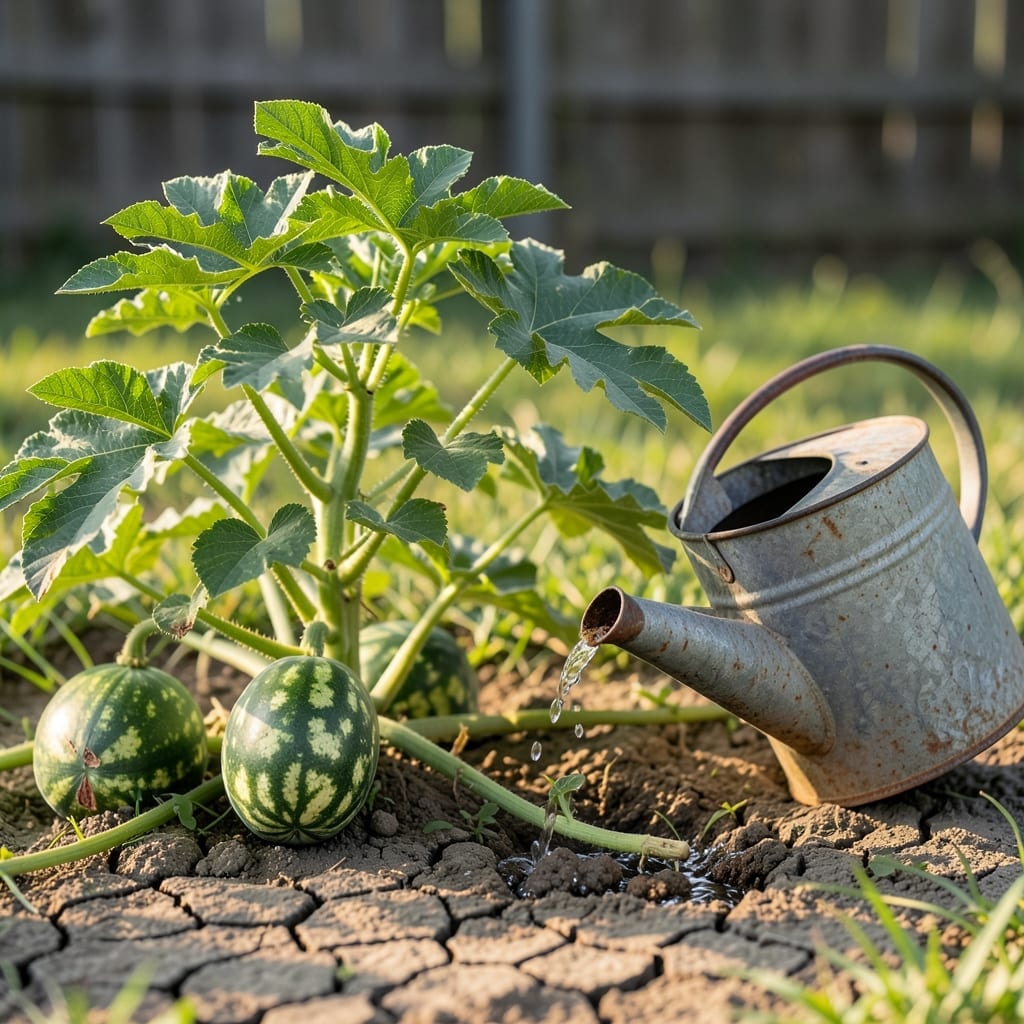
Watering your Watermelon plants too long can ruin your harvest, but stopping too soon can stunt their growth. It’s a delicate balance that determines whether you’ll enjoy sweet, juicy fruit or a disappointing crop.
I’ve seen gardeners make this mistake time and again in zone 6, where timing is everything. The key is knowing when your 🍉 is nearing ripeness and how water affects its flavor development.
There are clear signs your Watermelon is ready to transition from regular watering to its final stretch. These indicators are often overlooked, yet they make all the difference in fruit quality.
Discover how to read your plants and soil to nail the perfect stopping point. Your taste buds will thank you when harvest time rolls around from July to September.
I’ve learned that timing your watermelon watering perfectly is key to sweet, juicy fruit. The trick is knowing when to cut back moisture to concentrate sugars. It’s all about watching for maturity signs and vine behavior. 🌱
As a rule, I stop watering my watermelon plants about 7-10 days before harvest. This dry spell forces the fruit to sweeten by reducing water dilution. The tendril near the stem turning brown is my first clue.
| Sign | What to Look For | Action |
|---|---|---|
| Tendril Color | Turns from green to brown | Stop watering |
| Underside Color | Changes to yellow or cream | Check other signs |
| Rind Appearance | Becomes dull, not shiny | Ready to harvest |
| Sound When Tapped | Hollow, deep thud | Pick immediately |
| Days Since Flowering | 85-100 days for most varieties | Monitor closely |
I also watch the underside of the melon. When it turns from white to yellow, that’s nature’s way of saying it’s ripening on the vine. Combined with the brown tendril, it’s almost time to stop watering.
The rind texture tells another story. A shiny rind means it’s not ready, but when it turns dull and matte, the sugars are concentrating. I test this by lightly scratching the surface with my fingernail.
Another test I swear by is the thump test. A ripe watermelon will produce a deep, hollow sound when tapped, while an unripe one sounds more metallic or dull. This works best with larger varieties like Crimson Sweet.
Weather plays a role too. In hot, dry climates, I might extend watering slightly, but I always stop at least 5 days before picking. For smaller watermelons, like Sugar Baby, I reduce this to 3-5 days of no water. ☀️
I’ve found that morning watering is best during the growing season. But as harvest nears, I gradually reduce the frequency. This prevents fruit cracking while still allowing the plant to develop properly.
Remember, overwatering at the end can ruin all your hard work. The final week is critical for sugar concentration. I’ve seen the difference in taste when I get this timing right – it’s like night and day.
For the best results, I combine all these visual and auditory cues. The tendril color, underside hue, and rind appearance together give me confidence. When in doubt, I wait an extra day or two to be sure. 🪴
Overwatering watermelon plants right before harvest is a common mistake that can ruin your crop. Too much water dilutes the sugars in the fruit, leaving you with bland, watery melons instead of sweet ones. ☀️
Excess moisture also causes fruit cracking as the rind expands too quickly. In worst cases, root rot can set in, especially in poorly draining soil. I’ve seen entire patches lost to this issue. 🌱
⚠️ Warning: Overwatering Risks
Stop watering 7-10 days before harvest to avoid cracked fruit and diluted flavor. Monitor soil moisture closely during this period.
If you’ve already overwatered, don’t panic. Hold off on watering immediately and let the soil dry out slightly. Check the top inch of soil—if it’s dry, you’re on the right track. ✂️
Watermelons need consistent moisture during growth, but cutting back at the right time is key. The tendril near the stem turning brown is your first sign to reduce watering.
Another red flag is yellowing leaves or wilting vines. These can signal root stress from too much water. Adjust your schedule and improve drainage if needed. 💧
Remember, morning watering is best to allow foliage to dry. Avoid evening watering, which can promote fungal diseases. Your melons will thank you with maximum sweetness.