
Beautiful Plants For Your Interior
Beautiful Plants For Your Interior
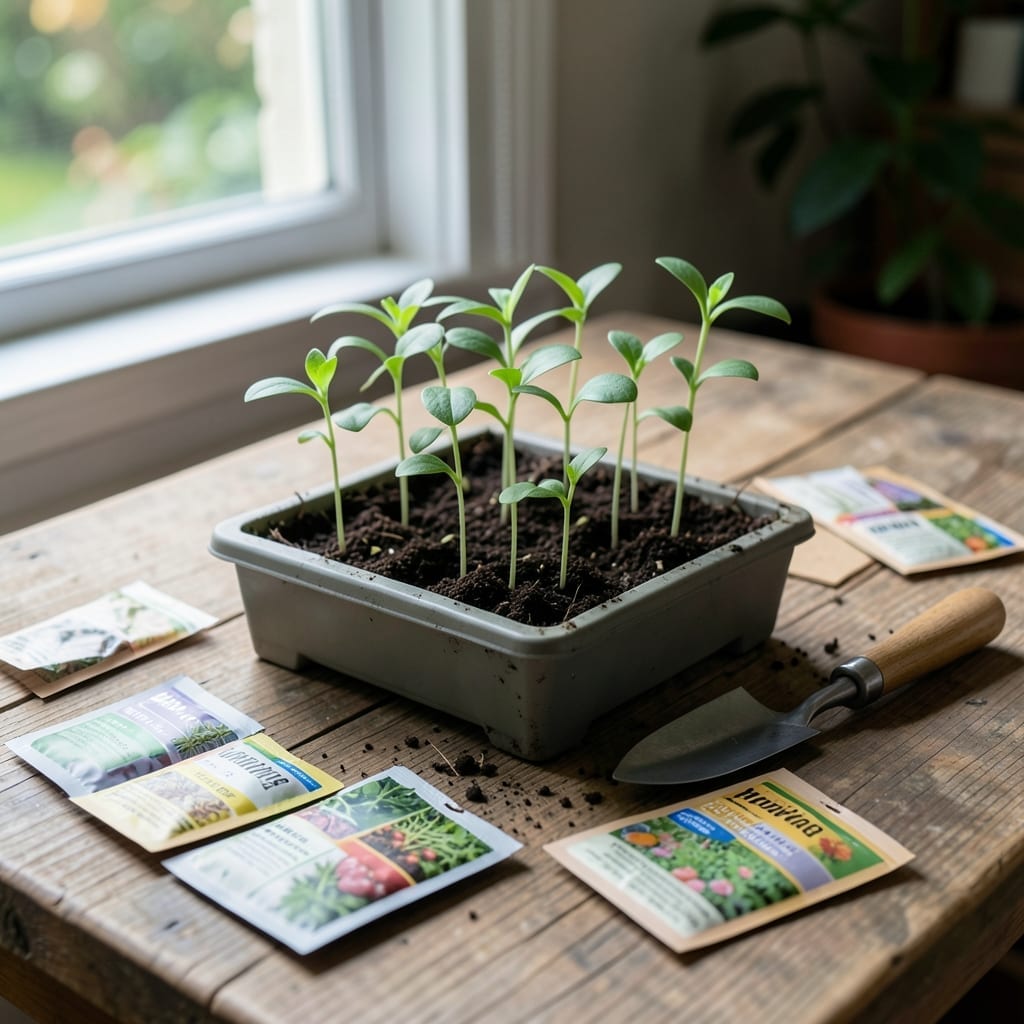
Timing is everything when starting Vegetable 🥕 seeds—plant too early or too late, and your garden could suffer. This guide helps you pinpoint the perfect window based on your climate and crop type.
I remember my first attempt at growing Vegetables. I started seeds indoors in February, only to watch them struggle when transplanted outside. The issue wasn’t my effort—it was my timing.
Getting the timing right means understanding your local frost dates and the specific needs of each Vegetable variety. Whether you’re in zone 6 or elsewhere, this approach works.
Discover how to create a planting schedule that ensures strong, healthy seedlings ready for transplanting at just the right moment. Let’s get started.
Knowing your USDA hardiness zone is the first step to perfect timing. In zone 6, I start most seeds indoors 6-8 weeks before the last frost date, which is typically April 15. This gives seedlings enough time to grow strong before transplanting.
For outdoor sowing, wait until the soil temperature reaches at least 50°F for cool-season crops. Warm-season vegetables like tomatoes and peppers need warmer soil, often 60-70°F, so they’re best started indoors first.
| Zone | Indoor Start | Outdoor Start | Notes |
|---|---|---|---|
| Zone 3-4 | 8-10 weeks before frost | After last frost | Use grow lights |
| Zone 5-6 | 6-8 weeks before frost | 2-4 weeks before frost | Soil prep critical |
| Zone 7-8 | 4-6 weeks before frost | 4-6 weeks before frost | Longer growing season |
| Zone 9-10 | 2-4 weeks before frost | Year-round possible | Watch for heat stress |
In colder zones like 3-4, starting seeds indoors is almost mandatory. I’ve found that without grow lights, seedlings can get leggy and weak. A south-facing window helps, but artificial light ensures consistent growth.
For zone 7-8, gardeners have more flexibility. You can often direct-sow seeds earlier, but I still recommend starting tomatoes and peppers indoors. These plants need a longer indoor period to reach maturity before the heat of summer kicks in.
In warm zones like 9-10, the growing season is nearly year-round. However, even here, timing matters. Starting seeds too late in summer can expose young plants to heat stress, which stunts growth. I always check soil temps with a thermometer before sowing.
Soil temperature is a critical factor many overlook. Cool-season crops like peas and lettuce can germinate in 40-50°F soil, while warm-season crops need 60-70°F. I use a soil thermometer to take the guesswork out of it.
Indoor starting isn’t just about temperature—it’s also about light. I place my seed trays under grow lights for 14-16 hours a day. Without enough light, seedlings become tall and spindly, which makes them weak when transplanted.
Don’t forget to harden off your seedlings before moving them outside. I start by placing them in a shaded spot for a few hours a day, gradually increasing their exposure to sun and wind over 7-10 days. This prevents transplant shock.
Every region has its microclimates, too. If you live in a valley or near a large body of water, your local conditions might differ from the general zone guidelines. I always adjust my timing based on my garden’s specific microclimate.
Finally, keep a gardening journal to track what works. I note my start dates, germination rates, and transplant success each year. This helps me refine my schedule for better results every season 🌱
Timing your vegetable seeds right means knowing whether you’re dealing with cool-season or warm-season crops. Cool-season veggies like peas and lettuce thrive in spring and fall.
Warm-season crops such as tomatoes and peppers need warmer soil and air to germinate. I always check my last frost date to schedule these correctly.
| Crop Type | When to Start | Key Examples |
|---|---|---|
| Cool-Season | 4-6 weeks before last frost | Peas, Lettuce, Broccoli |
| Warm-Season | After last frost | Tomatoes, Peppers, Cucumbers |
For cool-season crops, I start seeds indoors about 4-6 weeks before the last frost. These plants tolerate light frosts and grow best in 50-75°F soil.
Warm-season varieties need soil temps above 60°F. I wait until after the last frost to transplant them outside, or start indoors 6-8 weeks prior for a head start.
In my Zone 6 garden, I plant peas in early spring but hold off on tomatoes until mid-May. This timing prevents damage from unexpected late frosts.
Remember, local microclimates matter too. A south-facing wall or urban heat island might let you plant warm-season crops a week or two earlier. 🌱