
Beautiful Plants For Your Interior
Beautiful Plants For Your Interior
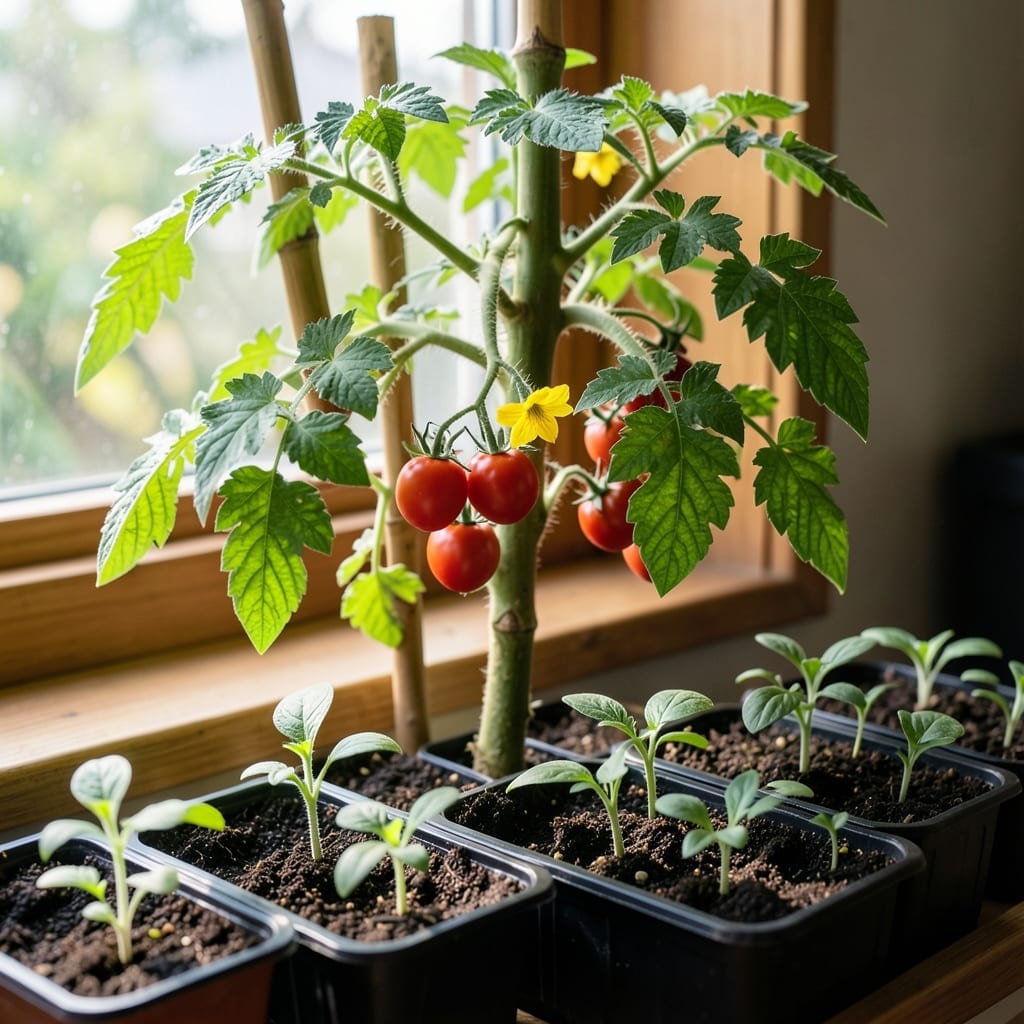
Timing is everything when starting Tomato seeds indoors in Zone 7. Plant too early and you’ll battle leggy seedlings. Too late, and you’ll miss the prime growing window.
I’ve seen gardeners struggle with both scenarios, but there’s a simple way to get it right. The key lies in working backward from your last frost date.
For Zone 7, that typically means starting your 🍅 seeds indoors in March. This gives your seedlings the perfect head start before transplanting.
Let me walk you through the exact timeline so you can grow strong, healthy plants ready for the spring season. No more guessing—just proven results.
In USDA Zone 7, your last frost typically hits around April 15. This date is your anchor for planning. I always mark my calendar 6-8 weeks before this date to start seeds indoors. That puts you at late February to early March for sowing.
Early tomato varieties like ‘Early Girl’ or ‘Stupice’ can go in at the 6-week mark, while larger heirlooms such as ‘Brandywine’ benefit from the full 8 weeks head start. This timing helps avoid leggy seedlings from starting too early.
| Tomato Type | Start Indoors | Transplant Outdoors | Days to Maturity |
|---|---|---|---|
| Early Varieties | Late February | Mid-April | 50-60 days |
| Mid-Season | Early March | Late April | 60-80 days |
| Late/Heirloom | Mid-February | Early May | 80-90 days |
Remember that soil temperature matters just as much as air temperature. Tomatoes need soil above 60°F to thrive. I use a soil thermometer to check outdoor beds before transplanting. If the soil is still cold, wait another week.
For container gardeners, you can start seeds a bit later since pots warm up faster than ground soil. But don’t push it—consistent warmth is key for strong root development. I’ve found that seedling heat mats can help maintain ideal temps indoors.
Zone 7’s 180-day growing season gives you plenty of time for multiple harvests. If you miss the early window, don’t panic. You can still start seeds in early April for a late summer crop, though yields may be smaller.
Watch the 10-day forecast as your transplant date approaches. A surprise late frost can wipe out young plants. I always keep frost blankets on hand just in case. It’s better to delay transplanting than to risk losing your seedlings.
For organic gardeners, start with certified organic seeds and use sterile seed-starting mix to prevent damping-off disease. I’ve had great success with coconut coir as a sustainable alternative to peat moss.
Don’t forget to label your seedlings—it’s amazing how quickly you forget which variety is which. Use waterproof markers and place labels at soil level where they’re easy to see but won’t interfere with growth.
With this timeline, you’ll have strong, stocky seedlings ready to thrive when warm weather arrives. The key is patience—resist the urge to start too early, even when spring fever hits.
I’ve found that tomatoes started indoors in Zone 7 consistently outperform those direct-sown, giving you a head start on the growing season and more abundant harvests.
Starting tomato seeds indoors in Zone 7 gives you a head start on the growing season. I recommend 6-8 weeks before the last frost date, which is typically April 15 for this zone. This means sowing seeds in mid-February to early March for best results.
First, select your tomato varieties. Early types like ‘Early Girl’ or ‘Celebrity’ need less time, while heirlooms may require the full 8 weeks. Use seed-starting mix in clean containers with drainage holes to prevent disease.
Lighting is critical. I’ve found that grow lights work better than windowsills, which often don’t provide enough intensity. Place lights 2-4 inches above seedlings and raise them as plants grow. This prevents leggy, weak stems that struggle when transplanted.
When seedlings develop 2-3 true leaves, it’s time to transplant into larger containers. Use a balanced fertilizer (5-10-10) every 2-3 weeks to promote healthy growth.
Monitor for common issues like damping off or pest infestations. Good air circulation and proper watering help prevent these problems. I always keep a spray bottle handy for gentle misting when the soil surface looks dry.
By following these steps, you’ll have strong, stocky seedlings ready for transplanting when the soil warms to 60°F. This careful timing ensures your tomatoes will thrive in Zone 7’s growing season 🌱