
Beautiful Plants For Your Interior
Beautiful Plants For Your Interior
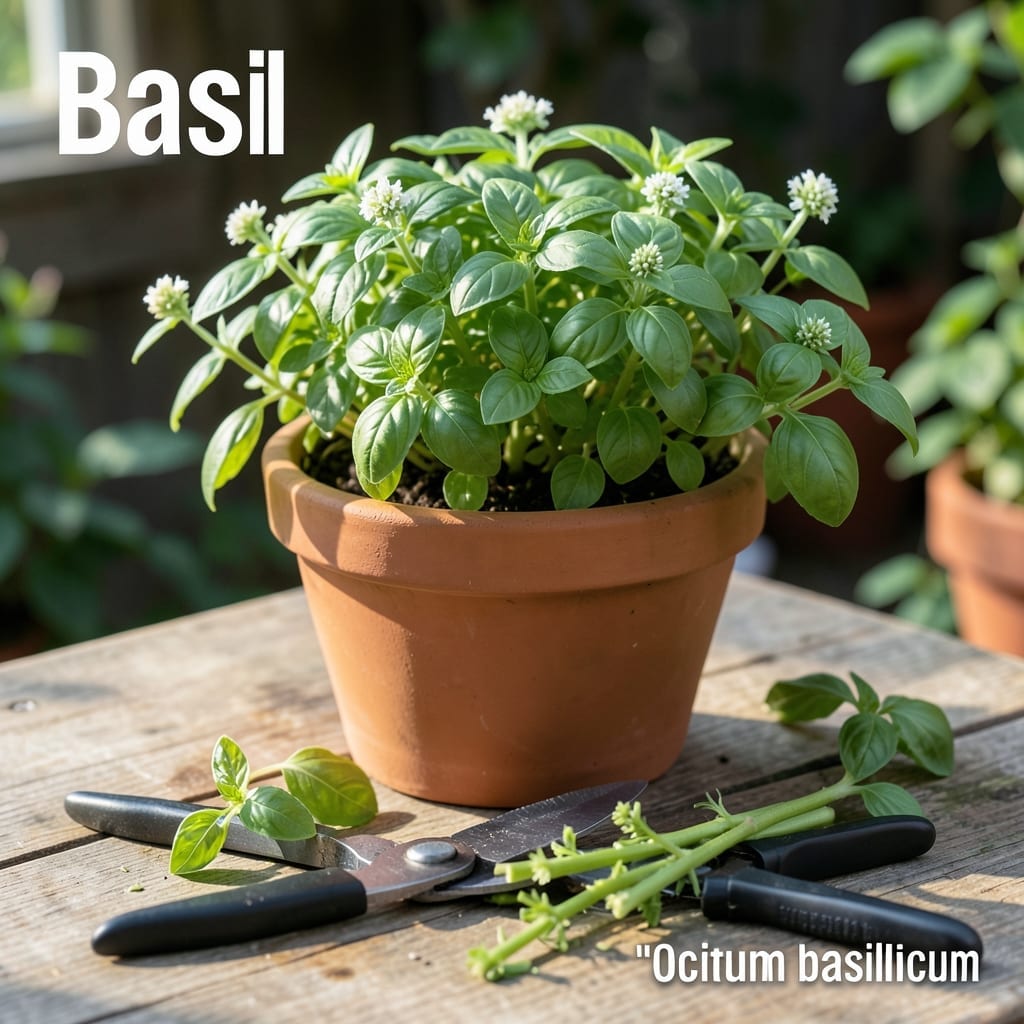
Pruning Basil at the right time is the secret to transforming a spindly plant into a lush, productive powerhouse in your garden.
Timing your cuts correctly encourages bushier growth and a longer harvest season. I’ve seen firsthand how proper pruning can double the yield of this aromatic herb.
Whether you’re growing 🌿 in containers or garden beds, knowing when to make that first cut is the key to success. It’s not just about when, but how you approach it.
Let me walk you through the ideal timing and techniques that will have your plants thriving all season long. You’ll be amazed at the difference it makes.
I’ve found that the perfect time to start pruning basil is when the plant reaches 6-8 inches tall and has developed 6-8 true leaves. At this stage, the plant is sturdy enough to handle the stress of pruning while encouraging lateral growth for a fuller shape.
For outdoor basil, this typically happens 4-6 weeks after transplanting, while indoor basil may take a bit longer depending on light and temperature. The goal is to prevent early flowering and redirect the plant’s energy into producing more leaves.
| Stage | Action |
|---|---|
| Seedling (2-4 inches) | No pruning yet |
| Early Growth (4-6 inches) | Pinch top leaves |
| Mature Plant (6-8 inches) | First full pruning |
| Established (8+ inches) | Prune every 2-3 weeks |
I always recommend starting with a light pinch of the topmost leaves when the plant is still young. This encourages branching early on, which is key to achieving that bushy growth every gardener loves. Use your fingers or clean scissors to snip just above a leaf pair.
Once your basil hits that 6-8 inch mark, it’s time for the first real pruning. Look for the top set of leaves and cut just above the next set down. This stimulates side shoots to grow, making the plant denser.
For seasonal considerations, if you’re growing basil outdoors in USDA zones 6-10, start pruning in late spring after the last frost. In cooler climates, you might wait until early summer when the plant is well-established.
Indoor basil can be pruned year-round, but I’ve noticed it responds best to regular pruning every 2-3 weeks during the growing season. This keeps the plant compact and productive without becoming leggy.
If you see flower buds forming, it’s a sign to prune immediately. Flowering can make the leaves bitter, so I always remove buds as soon as I spot them to maintain the best flavor and encourage more leaf growth.
Remember, never remove more than 1/3 of the plant at a time. Over-pruning can shock the plant and slow down growth. Instead, do small, frequent prunings to keep your basil healthy and thriving.
For Genovese basil, which is the most common variety, this pruning schedule works perfectly. However, if you’re growing Thai basil or other types, you might need to adjust slightly based on their growth habits.
Finally, always use clean, sharp tools to avoid damaging the plant. I like to prune in the morning when the plant is hydrated and less stressed by heat.
With consistent pruning, your basil will reward you with abundant leaves all season long ✂️
I always watch for the first 6-8 true leaves to appear before making that first pruning cut. This typically happens when your basil reaches 6-8 inches tall, usually about 4-6 weeks after germination.
At this stage, the plant has enough foliage to recover from pruning while still promoting lateral branch growth. The key is catching it before flowering begins, as this redirects energy to leaf production.
| Stage | Action | Timing |
|---|---|---|
| Seedling | Wait for growth | Under 6 inches |
| Early Growth | First pruning | 6-8 true leaves |
| Mature Plant | Regular trimming | Every 2-3 weeks |
For outdoor basil, I recommend starting this process in late spring when night temperatures stay above 50°F. This gives your plants the warmth they need to recover quickly from pruning.
Indoor growers can begin earlier, as soon as the plant meets the size requirements. Remember, consistent pruning every 2-3 weeks maintains that bushy shape we all love.
The science behind this timing is simple: each time you pinch back the growing tips, you force the plant to branch out from the leaf nodes below, creating a fuller plant with more harvestable leaves.
I’ve found that morning pruning works best, as it gives the plant the entire day to begin healing. Always use clean, sharp tools to prevent disease and ensure clean cuts that heal quickly.
This approach has consistently given me healthier, more productive basil plants that keep producing all season long ✂️