
Beautiful Plants For Your Interior
Beautiful Plants For Your Interior
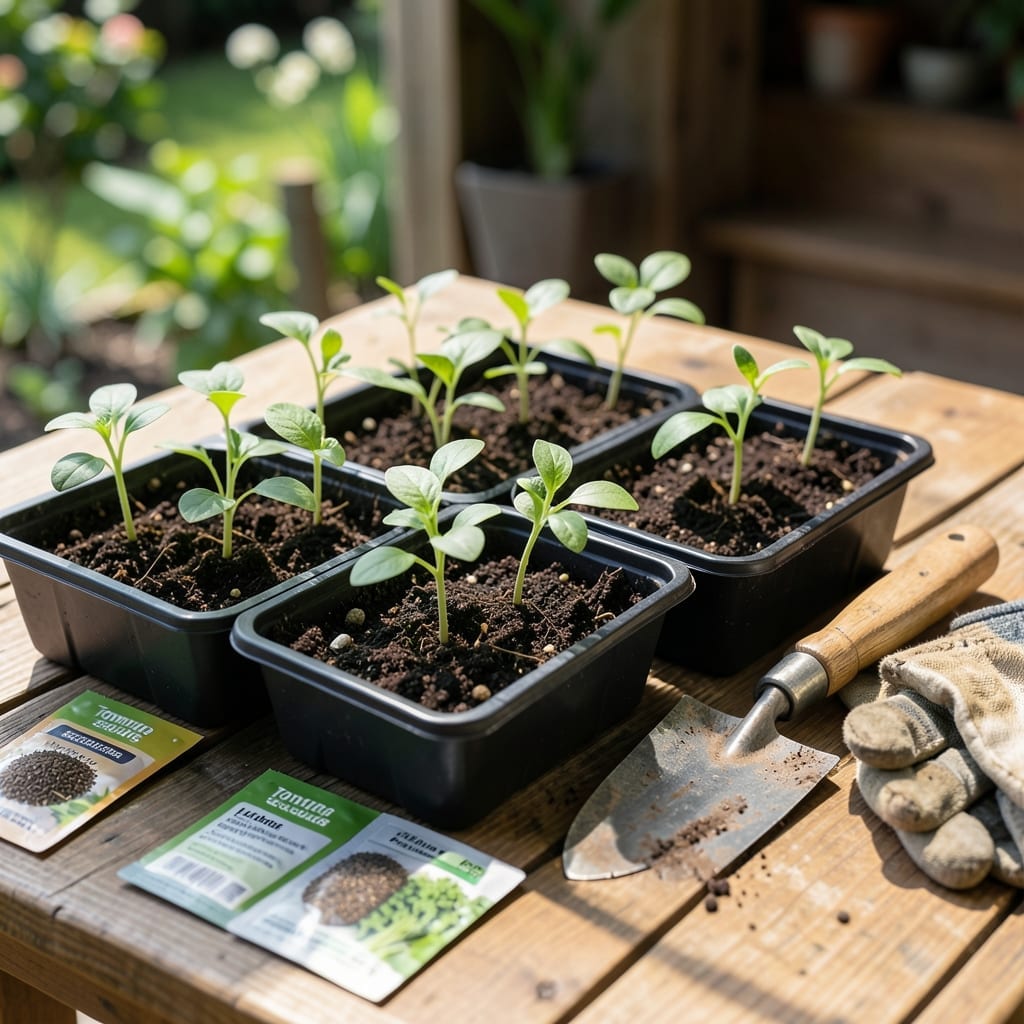
Timing is everything when it comes to planting Vegetable seeds—start too early or too late, and your harvest could suffer. This guide helps you pinpoint the perfect planting window.
Whether you’re in zone 6 or another region, knowing when to begin makes all the difference. The 🥕 Vegetable thrives with a Spring start, but timing varies by location.
I’ll show you how to align your planting schedule with local frost dates and seasonal shifts. No more guessing when to get those seeds in the soil.
Discover the simple yet effective strategies to maximize your growing season. Let’s get your garden off to the right start.


Getting your vegetable seeds in the ground at the right time can make or break your harvest. I’ve found that USDA hardiness zones are the best starting point for planning. Each zone has unique frost dates that dictate when it’s safe to plant.
For example, in Zone 6, the last frost typically hits around April 15. This means cool-season crops like lettuce and peas can go in the ground 4-6 weeks before that date, while warm-season crops like tomatoes need to wait until after.
| USDA Zone | Indoor Start Date | Outdoor Planting | Example Crops |
|---|---|---|---|
| 3-4 | March 1-15 | May 15-June 1 | Cabbage, Broccoli |
| 5-6 | February 15-March 1 | April 15-May 1 | Peppers, Tomatoes |
| 7-8 | January 15-February 1 | March 15-April 1 | Cucumbers, Beans |
| 9-11 | December 1-January 15 | February 15-March 1 | Eggplant, Okra |
In cooler zones 3-4, the growing season is shorter, so I always start cold-hardy veggies like kale indoors early. This gives them a head start before transplanting outdoors after the last frost.
For warmer zones 7-11, the luxury of a longer season means I can direct-sow many seeds outdoors. However, heat-sensitive crops like lettuce may need shade cloth to prevent bolting.
I always check my local frost dates and adjust based on microclimates in my yard. A south-facing wall can create a warmer spot, allowing me to plant a bit earlier.
Don’t forget about soil temperature! Most seeds need soil that’s at least 50-60°F to germinate. I use a soil thermometer to confirm conditions are right before planting.
Cool-season crops like spinach and radishes thrive in early spring or fall. In Zone 6, I sow these as soon as the soil is workable, often in late March.
For warm-season crops like beans and squash, I wait until the soil has warmed to at least 60°F. In Zone 6, this is usually late May, well after the last frost.
I’ve learned that succession planting extends my harvest. For example, I plant bush beans every 2 weeks through summer for a continuous supply.
Fine-tuning your seed starting dates can make or break your harvest. I’ve learned that tomatoes and peppers need a longer indoor start, while lettuce and radishes thrive with direct sowing. Microclimates also play a huge role in timing. ☀️
For cool-season crops like spinach and kale, I start seeds 4-6 weeks before the last frost. But warm-season veggies such as cucumbers and beans must wait until the soil warms to at least 60°F. Always check your local frost dates for precision. 🌱
I always use a soil thermometer to confirm conditions. Carrots and beets can handle cooler soil, but beans and corn demand warmth. If your area has unpredictable springs, consider starting seeds in biodegradable pots for easy transplanting. 🌿
For short-season areas, I prioritize fast-maturing varieties. Bush beans and radishes can go from seed to harvest in under 60 days. In warmer zones, I stagger plantings of lettuce and spinach every 2 weeks for continuous harvests. ✂️
Don’t forget about succession planting. After harvesting early spring crops, I immediately replant with summer varieties like bush beans or zucchini. This keeps my garden productive all season long.
Remember, these are guidelines, not rules. I adjust based on my garden’s specific conditions, like shade patterns and soil quality. When in doubt, I consult my local extension office for zone-specific advice.