
Beautiful Plants For Your Interior
Beautiful Plants For Your Interior
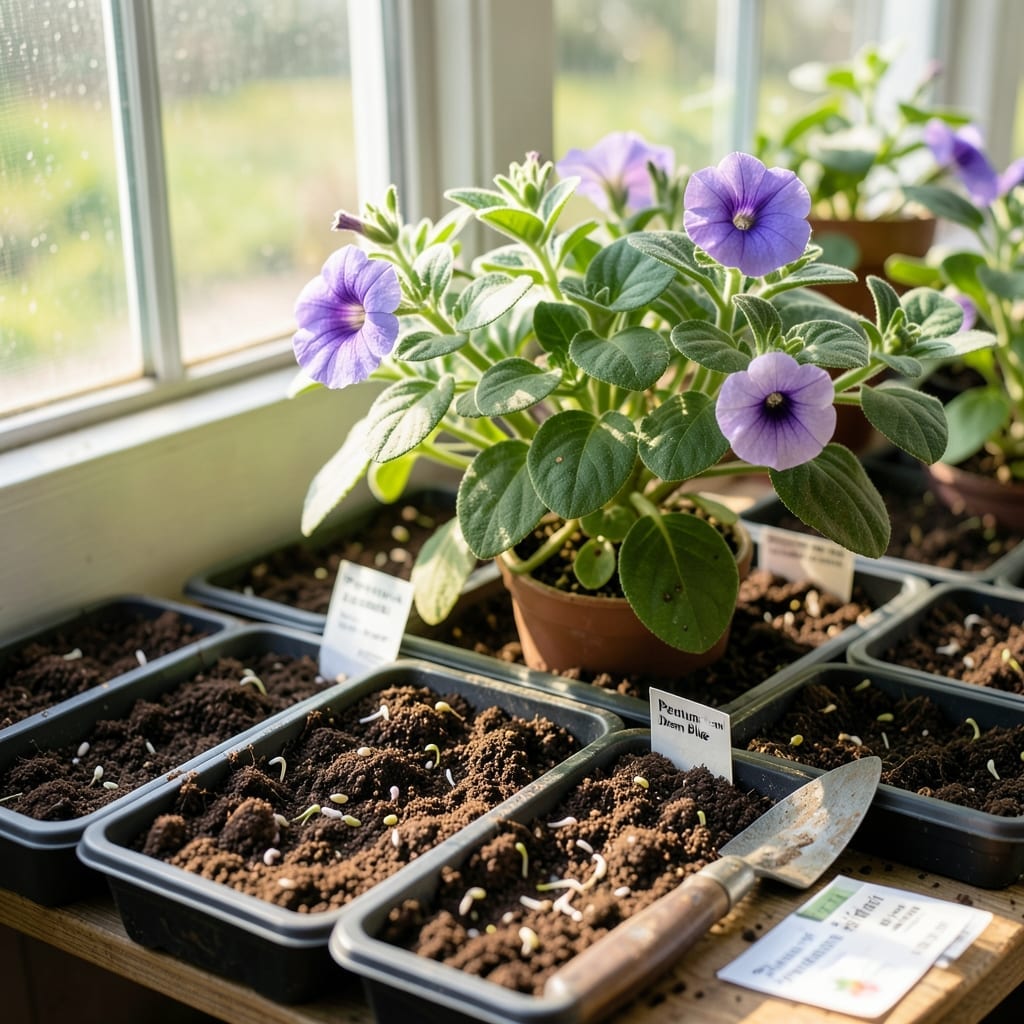
Timing is everything when starting Petunia 🌸 seeds indoors. Plant too early and you risk leggy seedlings; too late and you miss the bloom season.
I’ve learned through trial and error that getting this right makes all the difference. The key is working backward from your last frost date to hit that sweet spot for strong, healthy plants.
Discover the exact schedule that’ll give your Petunias the best start, whether you’re in Zone 6 or adjusting for your local climate. Let’s get those seeds growing right.
Getting the timing right for Petunia seeds is crucial. I start mine 8-10 weeks before the last frost date. This gives them enough time to grow strong before transplanting outdoors.
Your USDA hardiness zone determines the best starting window. Warmer zones can start earlier, while colder areas need to wait a bit longer for stable indoor conditions.
| Zone | Start Indoors | Last Frost Date |
|---|---|---|
| Zones 9-10 | January | February 15 |
| Zones 7-8 | February | March 15 |
| Zones 5-6 | March | April 15 |
| Zones 3-4 | March-April | May 15 |
For Zone 6, where I garden, I aim for mid-March to start my seeds. This aligns perfectly with our April 15 last frost date, giving the seedlings about 8 weeks to mature.
If you’re in Zone 9, you can start as early as January. The warmer climate allows for earlier planting. Just ensure your indoor setup maintains consistent 70-75°F temperatures.
In cold climates like Zone 4, waiting until late March or early April is wise. Starting too early can lead to leggy seedlings that struggle when transplanted.
Always check your local frost dates for precision. I use the USDA Plant Hardiness Zone Map and local weather data to fine-tune my schedule each year.
Remember, these are general guidelines. Microclimates and indoor conditions can affect your timeline. When in doubt, start a small test batch to gauge your specific environment.
Consistent light and warmth are key during germination. I use grow lights to supplement natural sunlight, especially in early starts when days are shorter.
By following these zone-specific timelines, you’ll have strong, healthy Petunia seedlings ready to thrive when transplanted outdoors after the last frost.
🌸
Starting Petunia seeds indoors requires careful preparation. I begin by selecting high-quality seeds from a trusted supplier to ensure strong germination rates. The right start makes all the difference for vibrant blooms later.
Next, I prepare a seed-starting mix that’s light and well-draining. Petunias thrive in soil that holds moisture without becoming soggy, so I avoid heavy garden soil.
Once the seeds are sown, I place the trays under grow lights or near a sunny window. Petunias need consistent light and warmth to sprout, typically within 7-14 days.
I keep the soil evenly moist but not waterlogged. Overwatering can cause damping off, a fungal disease that kills seedlings. A spray bottle works well for gentle watering.
When the seedlings develop true leaves, I transplant them into individual pots. This prevents crowding and ensures each plant has enough space to grow strong roots.
Finally, I harden off the seedlings by gradually exposing them to outdoor conditions. This prepares them for transplanting after the last frost date, ensuring a smooth transition to the garden.
🌸