
Beautiful Plants For Your Interior
Beautiful Plants For Your Interior
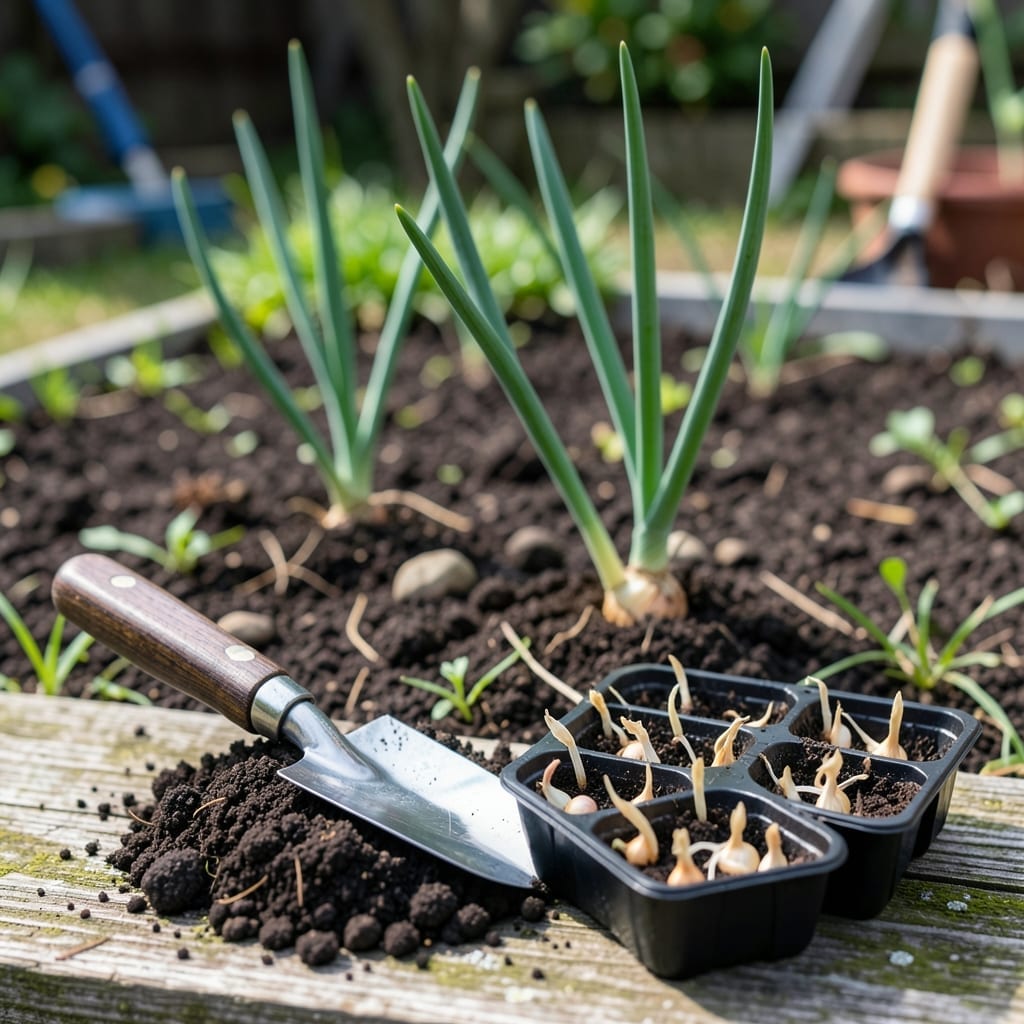
Timing is everything when it comes to growing 🧅 Onion from seed. Plant too early or too late, and you risk stunted growth or a failed harvest.
I learned this the hard way my first season. Now I know starting seeds at the right moment makes all the difference for stronger plants.
Discover the exact window for your climate and how to nail the timing. Your future onion harvest will thank you.
Getting your onion seeds started at the right time is crucial for healthy bulbs. I’ve found that USDA zones play a big role in determining the best window.
In colder zones like 3-4, start seeds indoors 10-12 weeks before the last frost. Warmer zones like 8-10 can often direct sow in early spring or fall.
| USDA Zone | Start Indoors | Direct Sow |
|---|---|---|
| Zones 3-4 | 10-12 weeks before frost | Not recommended |
| Zones 5-6 | 8-10 weeks before frost | Early spring |
| Zones 7-8 | 6-8 weeks before frost | Late winter |
| Zones 9-10 | Optional | Fall or early spring |
For zone 5-6, like where I garden, starting seeds indoors in February gives them a head start. This ensures they’re ready to transplant after the last frost in April.
If you’re in zone 7-8, you can start seeds indoors 6-8 weeks early or direct sow in late winter. The soil warms up faster here, so timing is more flexible.
In warmer zones 9-10, onions can be sown directly in the garden in fall or early spring. The mild winters allow for year-round growing in some areas.
For short-day onions, popular in southern zones, plant in fall for a spring harvest. Long-day onions do best in northern zones with a spring planting.
Always check your local frost dates and adjust accordingly. A soil thermometer can help confirm that the ground is warm enough for direct sowing.
I’ve noticed that consistent moisture and well-draining soil are key regardless of zone. Onions hate soggy roots, so ensure your soil is loose and fertile.
Finally, remember that onion seeds have a short viability. Use fresh seeds each year for the best germination rates and strongest plants. 🌱
Starting onion seeds indoors gives you more control over germination conditions. I’ve found this method ideal for colder climates where spring arrives late. You can begin 8-12 weeks early under grow lights.
Indoor starts also protect young seedlings from unpredictable weather. This ensures they’re strong and ready when it’s time to move them outside after the last frost.
Outdoor sowing works best in warmer zones 7-10. The soil stays warm enough for direct planting in late winter or fall. Just ensure the soil temperature is above 50°F for best results.
I prefer indoor starts in my zone 6 garden. It extends my growing season and gives me bigger, healthier bulbs. But I’ve had success with direct sowing in mild springs too.
For outdoor planting, choose a sunny spot with loose, well-draining soil. Thin seedlings to 4-6 inches apart once they sprout. This prevents overcrowding and promotes strong growth.
Whether you start indoors or out, keep the soil consistently moist but not soggy. Onions need steady moisture for optimal bulb formation. With the right approach, you’ll enjoy a bountiful harvest. 🌱