
Beautiful Plants For Your Interior
Beautiful Plants For Your Interior
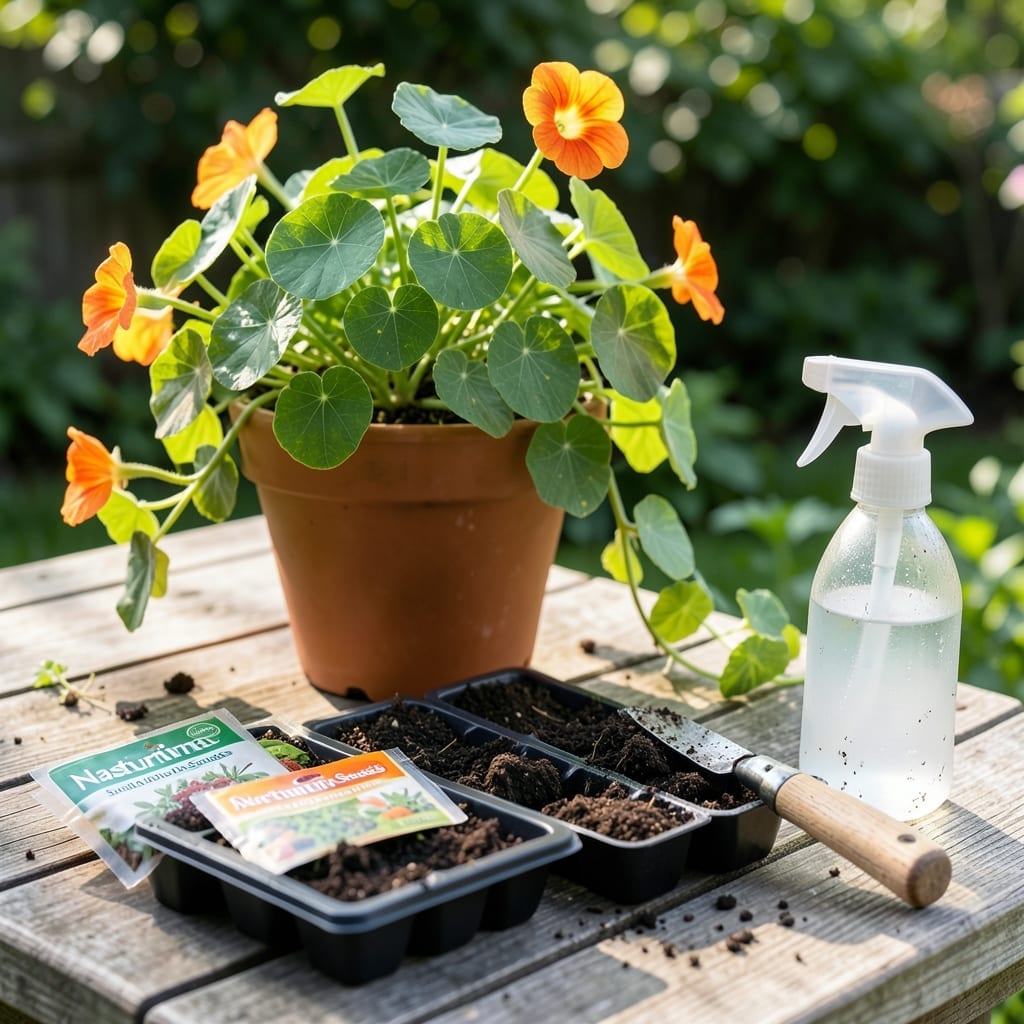
Nasturtiums bring vibrant color and peppery flavor to any garden, but starting them indoors at the right time ensures a head start on the growing season.
Get the timing wrong, and you risk stunted 🌼 Nasturtium plants or missed blooming windows. I’ve learned the hard way that 4-6 weeks before the last frost is the sweet spot for most zones.
Discover how to align your planting schedule with nature’s rhythm for healthier plants and earlier blooms. Let’s make this your most successful Nasturtium season yet.
Timing is everything when starting nasturtium seeds indoors. I’ve found that beginning 4-6 weeks before your last spring frost date gives seedlings enough time to develop without becoming root-bound. This window varies significantly by USDA hardiness zone.
In warmer zones like 9-11, you can start as early as late February. Cooler zones like 3-5 should wait until mid-March to early April to avoid leggy seedlings from insufficient light. Always check your local frost dates for precision.
| USDA Zone | Start Indoors | Transplant Outdoors |
|---|---|---|
| 3-5 | Mid-March | Early May |
| 6-7 | Late February | Mid-April |
| 8-9 | Early February | Late March |
| 10-11 | Late January | Early March |
For zone 6, where I garden, starting seeds around March 1st works perfectly. This aligns with our average last frost date of April 15th. The seedlings will be sturdy enough to handle transplanting after the danger of frost has passed.
Remember that nasturtiums dislike frost, so even in warmer zones, wait until soil temperatures reach at least 50°F. Using a soil thermometer can help you nail the timing precisely. This simple tool prevents many early-season disappointments.
If you’re in a region with a short growing season, consider using grow lights to supplement natural light. Nasturtiums need 6-8 hours of light daily. Without enough, they’ll grow tall and spindly, struggling to support their vibrant blooms.
For container gardeners, the timing remains similar, but you can start a bit later since you can move pots indoors if an unexpected cold snap hits. This flexibility is one reason I love growing nasturtiums in hanging baskets and window boxes.
Don’t forget to harden off your seedlings before transplanting. I begin this process 7-10 days before moving them outside, gradually increasing their exposure to outdoor conditions. This step prevents transplant shock and ensures a smoother transition.
Finally, keep an eye on the weather forecast. Even the most precise planting schedule can be thrown off by an unseasonable cold spell. I’ve saved many a seedling by covering them with frost cloth during surprise late frosts.
With these timing tips, you’ll enjoy earlier blooms and healthier plants all season long 🌼
Starting nasturtium seeds indoors is simpler than you might think. I always begin with clean containers and a well-draining seed mix to prevent damping off. Nasturtiums have large seeds, making them easy to handle and plant precisely.
I plant seeds 1/2 inch deep and keep the soil moist but not soggy. A spray bottle works perfectly for gentle watering without disturbing the seeds. Place containers in a warm spot (65-70°F) for best germination results.
Once seeds sprout, move them to bright light immediately. I use grow lights on a timer for 12-14 hours daily. Without enough light, seedlings become leggy and weak, which makes them more susceptible to disease.
When seedlings develop their first true leaves, I thin them to one plant per container. This prevents competition for nutrients and light. Nasturtiums grow quickly, so don’t wait too long to thin or they’ll become stunted.
Begin fertilizing lightly once true leaves appear. I use a balanced liquid fertilizer at half strength every 2 weeks. Over-fertilizing can lead to lots of leaves but fewer flowers, which defeats the purpose of growing these beauties.
The final step before transplanting is hardening off. I start this process 7-10 days before moving plants outside. Gradually increase exposure to outdoor conditions, starting with just an hour in a sheltered spot.
With this method, you’ll have strong, healthy seedlings ready for the garden 🌼