
Beautiful Plants For Your Interior
Beautiful Plants For Your Interior
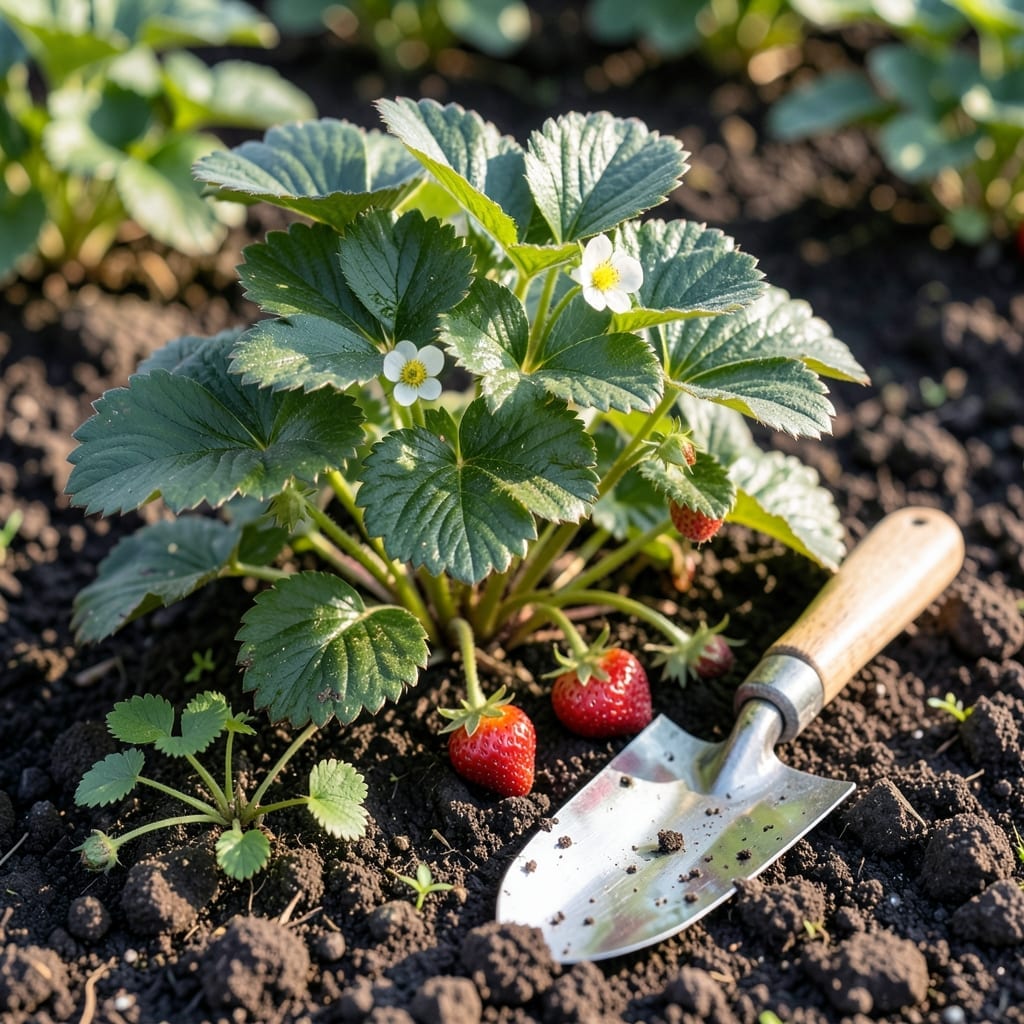
Timing is everything when it comes to growing juicy, sweet 🍓 Strawberry plants. Plant too early or too late, and you risk poor yields or frost damage.
Get it right, and you’ll enjoy a bountiful harvest season after season. Whether you’re in USDA Zone 6 or another region, knowing the optimal window makes all the difference.
I’ve tested different planting times and found that March – April offers the best start for most gardeners. This timing avoids late frosts while giving plants enough time to establish.
Let me show you how to pinpoint the perfect moment for your climate. You’ll discover the small adjustments that lead to bigger, sweeter rewards.
Timing your strawberry planting perfectly means understanding your climate zone. In cool climates (Zones 3-5), I recommend early spring planting as soon as the soil is workable, or late summer for a head start next year.
For moderate zones (6-8), March to April is ideal for spring planting, while September to October works well for fall planting to establish roots before winter.
In warm climates (Zones 9-11), the approach changes completely. Here, I plant in fall or winter (October-November) to avoid the intense summer heat that can stress young plants.
The key is soil temperature. I always check that it’s at least 40°F (4°C) before planting. In my experience, bare-root strawberries need this minimum to establish properly.
For container gardens, timing can be more flexible. I’ve had success starting everbearing varieties in early spring even in cooler zones, as pots warm up faster than ground soil.
Remember that June-bearing strawberries typically need one full growing season to establish before producing a full harvest. That’s why I plant them a year in advance of when I want fruit.
Day-neutral varieties are more forgiving with timing. I’ve planted these as late as early summer in moderate zones and still gotten a decent harvest the same year.
Always check your local frost dates. I use the USDA Plant Hardiness Zone Map as my primary guide, but microclimates in your garden can create variations.
In my own garden, I’ve found that planting 2-3 weeks before the last expected frost gives the best results. This timing allows plants to establish while avoiding late frost damage.
For fall planting, aim for at least 4-6 weeks before the first frost. This gives roots time to grow before winter dormancy.
The type of strawberry plant you choose directly impacts your planting schedule and harvest timing. Each variety has unique growth habits that dictate when you should get them in the ground.
June-bearing strawberries produce one large harvest in early summer, so they need to be planted 8-12 weeks before your last frost date for best results. This gives them time to establish strong roots before fruiting.
| Strawberry Type | Planting Time | Harvest Window |
|---|---|---|
| June-Bearing | Early spring | 2-3 weeks in June |
| Everbearing | Spring & late summer | Spring, summer, fall |
| Day-Neutral | Any time, avoid extremes | Continuous until frost |
Everbearing strawberries produce multiple smaller harvests throughout the season. I recommend planting these 2-3 weeks after your last frost or in late summer for a fall harvest.
Day-neutral varieties are the most flexible, producing fruit continuously as long as temperatures stay between 40-90°F. These can be planted almost anytime except during extreme heat or cold.
For container gardens, I’ve found day-neutral strawberries work best because they adapt well to controlled environments. Just ensure they get 6+ hours of sun daily and consistent moisture.
Remember that fall planting is also an option for all types in mild climates. This gives plants a head start for the next growing season, often resulting in earlier and more abundant harvests.
🌱