
Beautiful Plants For Your Interior
Beautiful Plants For Your Interior
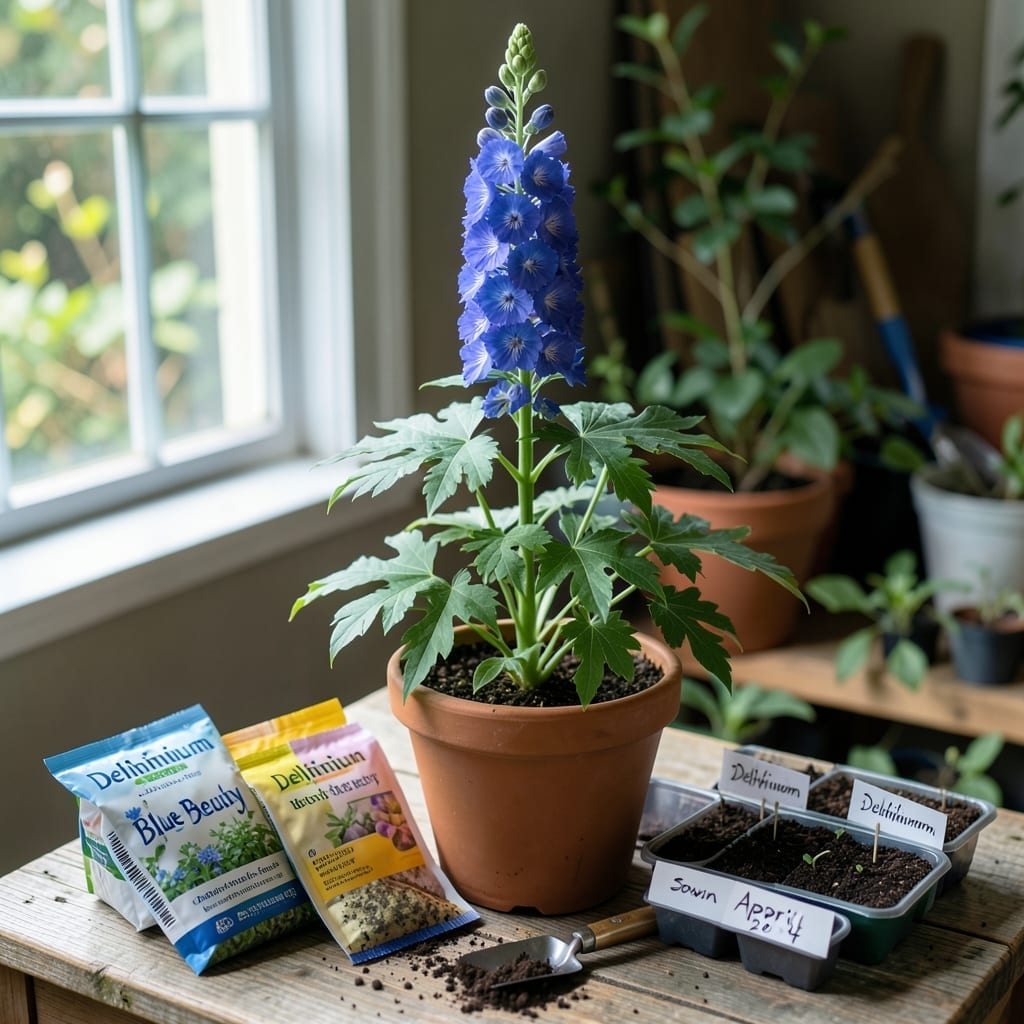
Timing is everything when starting Delphinium 🌸 seeds indoors. Plant too early or too late, and you risk weak seedlings or missed blooming seasons.
For gardeners in Zone 6a, the sweet spot is February to March. This gives your plants the head start they need before spring arrives.
I’ve learned the hard way that rushing this process leads to disappointment. But with the right schedule, you’ll see vibrant, early blooms that make all the effort worthwhile.
Discover the exact timing and preparation tips to ensure your Delphinium seedlings thrive before they meet the great outdoors.
Starting delphinium seeds indoors requires precise timing to ensure strong seedlings ready for spring transplanting. I always aim for 8-10 weeks before the last frost date in my area. This gives the slow-growing seeds enough time to develop.
Your USDA hardiness zone plays a huge role in determining the ideal start date. In colder zones like 3-5, I begin sowing in late February to early March. For warmer zones 6-8, mid-March to early April works perfectly.
| cell” style=”background-color:#6fd544;color:#ffffff;”>Start Indoors | row”> | cell”>10-12 weeks before last frost | row”> | cell”>8-10 weeks before last frost | row”> | cell”>6-8 weeks before last frost |
For those in zone 9-10, you might skip indoor starting altogether. I’ve found that sowing directly outdoors in early spring or even late winter works well in these warmer climates. But indoor starting still gives you a head start on blooms. Remember, local microclimates can affect your timing. If you live in a particularly windy or exposed area, I recommend starting seeds a week earlier than the general zone recommendation. This gives seedlings extra time to establish before facing harsh outdoor conditions. I always check my local frost dates using the USDA Plant Hardiness Zone Map or a reliable gardening almanac. These tools provide the most accurate last frost dates for your specific location, which is crucial for perfect timing. Another tip: delphiniums prefer cool temperatures. If your indoor temperatures are too warm (above 70°F), the seeds may struggle to germinate. I keep my seed trays in a cooler room or use a grow light setup in a basement. Finally, don’t forget to harden off your seedlings before transplanting. About 7-10 days before moving them outside, I gradually expose them to outdoor conditions. This prevents transplant shock and ensures a smoother transition to the garden. With the right timing and care, you’ll be rewarded with tall, vibrant delphinium spikes that bring stunning color to your garden all summer long 🌸 Step-by-Step Guide to Starting Delphinium Seeds IndoorsStarting delphinium seeds indoors requires patience and precision. I always begin with seed stratification, a cold treatment that breaks dormancy. Without this step, germination rates can be dismal. Use a well-draining seed mix and shallow containers. Delphiniums hate soggy roots, so ensure your pots have drainage holes to prevent rot.
Lighting is critical—grow lights work better than windowsills. I’ve found that 14-16 hours of light daily produces the strongest seedlings. Without enough light, they’ll get leggy and weak. Water gently with a spray bottle to avoid disturbing seeds. Delphiniums are sensitive to overwatering, so let the topsoil dry slightly between waterings. Once sprouts appear, remove any humidity domes to prevent mold. I also thin seedlings to 2-3 inches apart to give them room to grow. Within 3-4 weeks, you’ll see true leaves. That’s when I start fertilizing lightly with a balanced, water-soluble feed to encourage sturdy growth. This method ensures healthy delphinium seedlings ready for transplanting after the last frost 🌱 |