
Beautiful Plants For Your Interior
Beautiful Plants For Your Interior
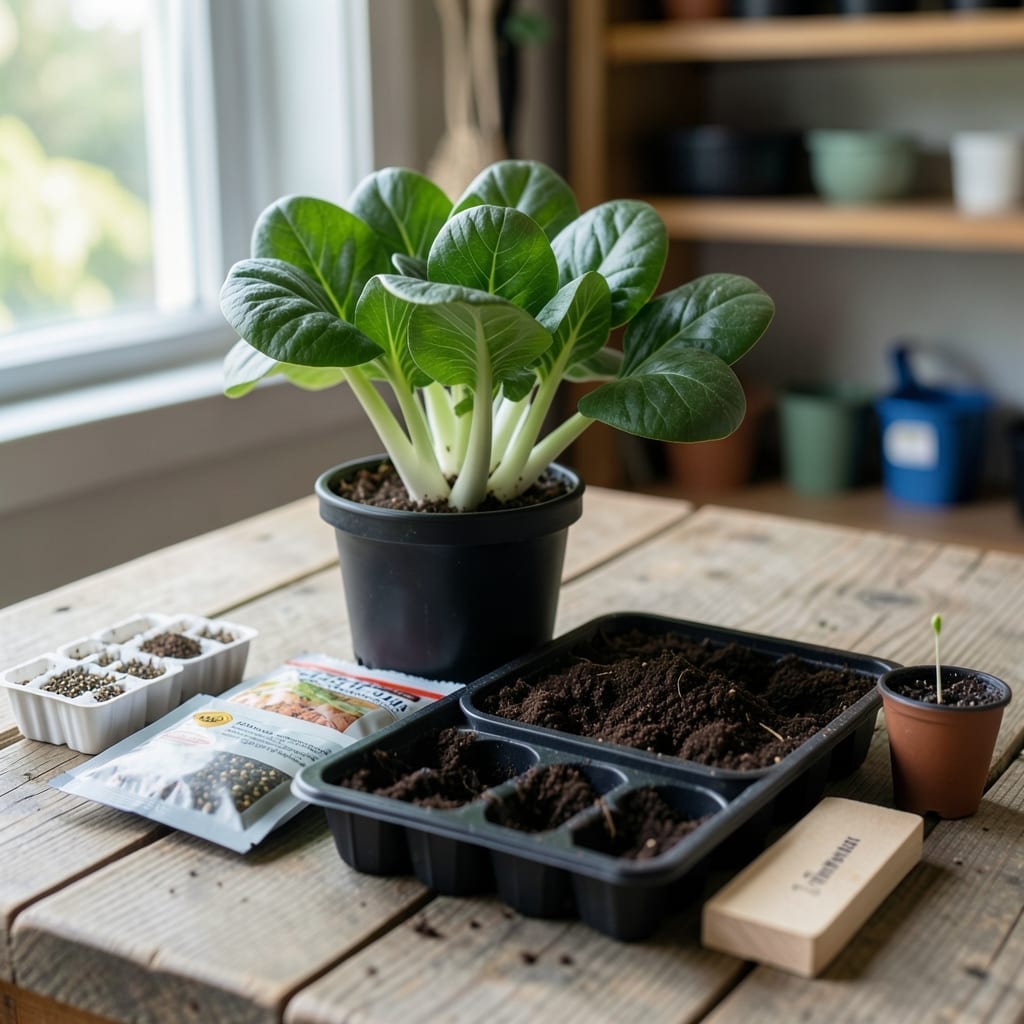
Timing is everything when starting Bok Choy 🥬 seeds indoors. Plant too early or too late, and you risk stunted growth or missed harvests in your container garden.
I’ve learned the hard way that a few weeks can make all the difference between a thriving crop and a disappointing one. This guide will help you nail the perfect schedule.
Whether you’re in Zone 6 or adjusting for your local climate, understanding when to begin is the first step to success. No more guessing games.
Let me walk you through the exact timing and tips to get your Bok Choy seedlings off to the strongest start possible. You’ll be harvesting fresh greens before you know it.
Starting bok choy seeds indoors at the right time is crucial for a successful harvest. I recommend aligning your seeding schedule with your USDA hardiness zone and the last frost date. This ensures your seedlings are ready to transplant when outdoor conditions are ideal.
Bok choy grows best in cool weather and typically requires 4-6 weeks indoors before moving outside. For most zones, this means starting seeds in early spring or late summer for a fall crop.
| USDA Zone | Spring Seeding | Fall Seeding |
|---|---|---|
| 3-4 | March 1-15 | August 1-15 |
| 5-6 | February 15-March 1 | August 15-30 |
| 7-8 | January 15-February 1 | September 1-15 |
| 9-10 | January 1-15 | September 15-30 |
In Zone 3-4, I start my bok choy seeds indoors in early March for spring planting. This gives them enough time to grow strong before the last frost passes. For a fall harvest, I begin seeding in early August.
For Zone 5-6, like where I garden, mid-February is ideal for spring crops. The seedlings will be ready to transplant by early April. For fall, I start seeds in mid-August to avoid summer heat.
Gardening in Zone 7-8 allows for an earlier start. I begin seeding in mid-January for spring and early September for fall. The milder winters mean I can extend my growing season significantly.
In the warmest zones, 9-10, I can start bok choy seeds as early as New Year’s Day for spring. For fall, mid-September seeding works well to avoid the intense summer heat.
Remember, these are general guidelines. I always check my local weather patterns and adjust accordingly. If we’re having a particularly cold spring, I might delay seeding by a week or two.
For baby bok choy varieties, I often start seeds a bit later since they mature faster. The same zone principles apply, but I might shave 1-2 weeks off the indoor growing period.
Consistency in temperature and light exposure is key during the indoor phase. I keep my seedlings in a warm, well-lit area to ensure strong, healthy growth before transplanting.
By following this schedule, I consistently get robust bok choy plants that are ready to thrive in my garden. 🌱
Starting bok choy seeds indoors isn’t just about your USDA zone. I’ve found that local microclimates can shift your timeline by weeks, especially in urban areas with heat islands.
Even within the same zone, a south-facing window might give your seedlings a 2-week head start compared to a shaded spot. Always observe your home’s unique light patterns.
The maturity rate of your chosen bok choy variety makes a huge difference. I once started Toy Choy and Joi Choi on the same day—the smaller variety was ready to transplant 2 weeks sooner.
Your indoor growing conditions matter more than you think. I use a heat mat to maintain consistent soil warmth, which cuts germination time nearly in half compared to room temperature alone.
Don’t overlook light quality. Even a bright windowsill may not provide enough intensity for stocky seedlings. I supplement with grow lights when natural light is weak.
Finally, watch your local weather closely. I’ve learned to adjust my transplant date based on the 10-day forecast, not just the average last frost date.
✂️