
Beautiful Plants For Your Interior
Beautiful Plants For Your Interior
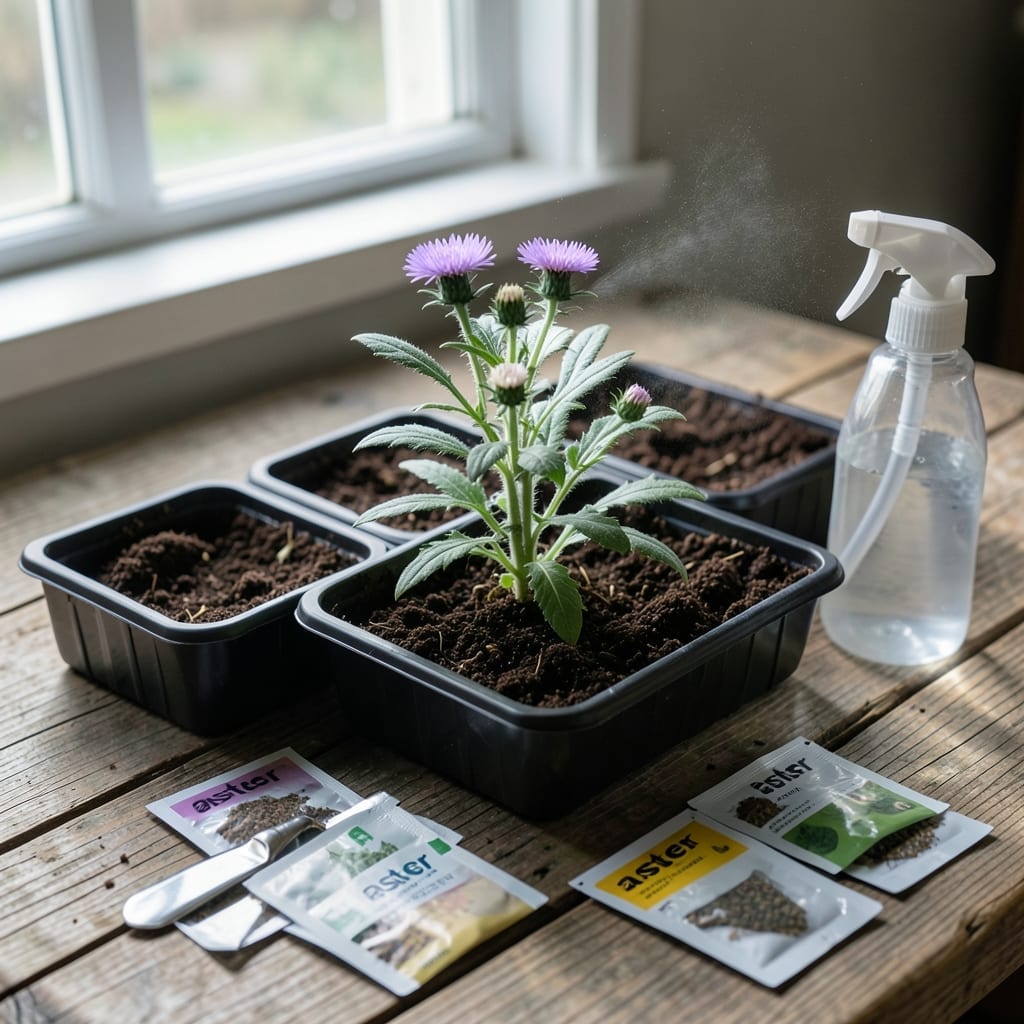
Timing is everything when starting Aster 🌼 seeds indoors. Plant too early and they’ll outgrow their containers, too late and you’ll miss the vibrant spring blooms.
This guide reveals the perfect window to nurture strong, healthy plants that will dazzle your garden. Whether you’re a seasoned gardener or just starting out, getting the timing right makes all the difference.
Discover how to align your planting schedule with your local climate for the best results. Let’s make this your most successful growing season yet.
Getting the timing right for starting aster seeds indoors ensures sturdy seedlings ready for spring transplanting. I’ve found that aligning your schedule with your USDA hardiness zone is key.
In most regions, you’ll want to begin 6-8 weeks before your last expected frost. This gives your asters enough time to develop strong roots without outgrowing their containers.
| USDA Zone | Start Indoors | Transplant Outdoors |
|---|---|---|
| Zones 3-4 | Mid-March | Early May |
| Zones 5-6 | Late February | Mid-April |
| Zones 7-8 | Early February | Late March |
| Zones 9-10 | Late January | Early March |
For colder climates like Zones 3-4, I recommend starting seeds indoors in mid-March to avoid the risk of late frosts stunting young plants. This timing also prevents leggy growth from insufficient light.
In moderate zones 5-6, late February is ideal. Your aster seedlings will be ready to harden off by mid-April, just as the soil begins to warm.
Gardeners in warmer regions (Zones 7-10) can start earlier. In Zone 7-8, early February works well, while Zones 9-10 can begin in late January for earlier blooms.
Always check your local frost dates for precision. I use the last frost date as my anchor, then count backward to determine the perfect indoor start date for my area.
Remember, asters thrive with consistent moisture and bright light. If your seedlings appear leggy or pale, they likely need more light or a cooler environment.
For the best results, I harden off my aster seedlings for 7-10 days before transplanting. This gradual exposure to outdoor conditions prevents shock and promotes stronger growth.
With the right timing and care, your asters will reward you with vibrant blooms from summer through fall. It’s one of the most satisfying parts of the growing season for me 🌼
Starting aster seeds indoors is a rewarding process that ensures vibrant blooms later. I always begin with a well-draining seed mix to prevent waterlogging, which can rot delicate roots.
Choose small containers or seed trays with drainage holes. Fill them with your mix, then plant seeds 1/4 inch deep and lightly cover with soil.
Germinating Aster Seeds Indoors:
I place my trays under grow lights or near a sunny window to provide the 14-16 hours of light asters need daily. Without enough light, seedlings become leggy and weak.
Water gently but consistently, keeping the soil evenly moist. I use a spray bottle to avoid disturbing the seeds. Once true leaves appear, I switch to a balanced liquid fertilizer at half strength.
When seedlings have 2-3 sets of true leaves, it’s time to transplant into larger containers. This gives roots room to grow while preventing shock from sudden environment changes.
Finally, harden off your seedlings for 7-10 days before moving them outside. I gradually increase their exposure to outdoor conditions, starting with 1-2 hours in a shaded spot.
This method has given me the strongest aster plants that bloom beautifully from summer to fall 🌼