
Beautiful Plants For Your Interior
Beautiful Plants For Your Interior
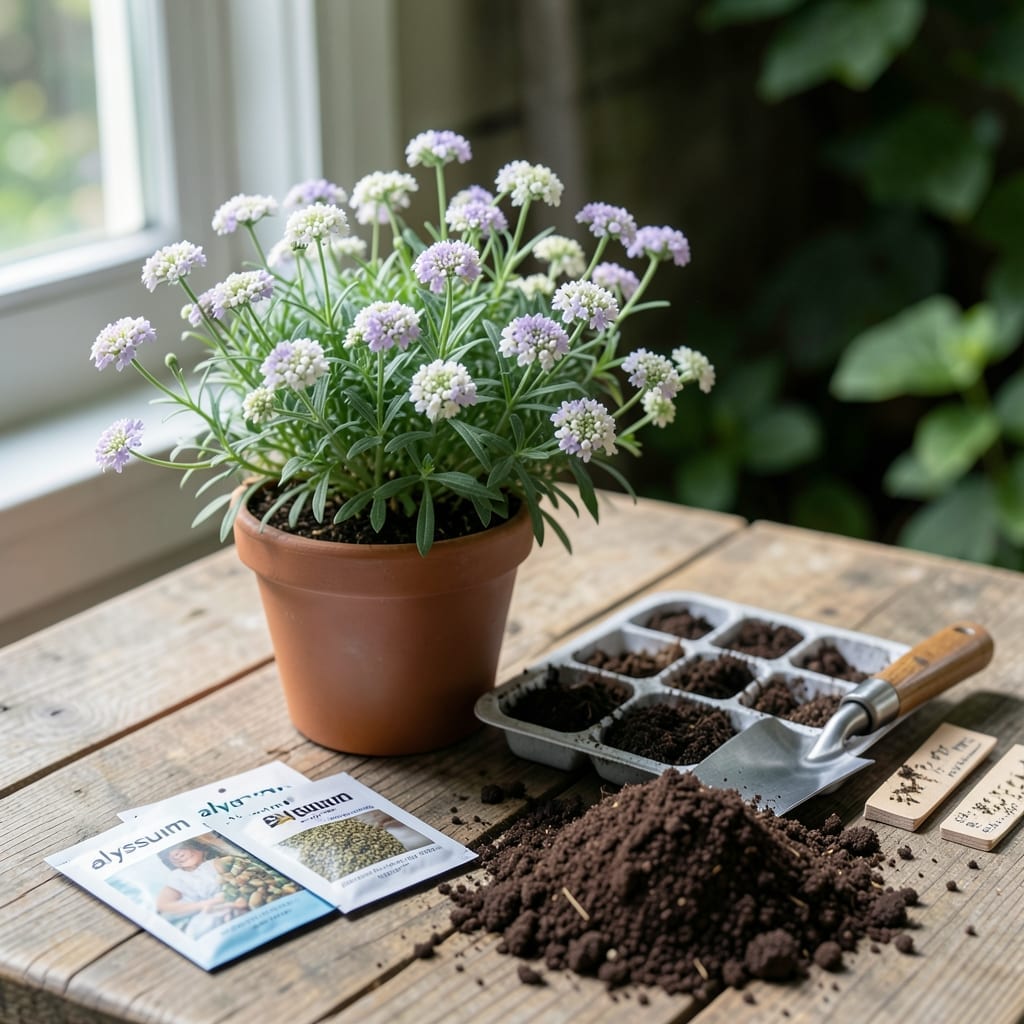
Timing is everything when starting Alyssum seeds indoors—plant too early and they’ll outgrow their space, too late and you’ll miss the spring bloom window.
I’ve learned the hard way that getting this right means the difference between vibrant, fragrant flowers and a lackluster garden. For zone 6a, that sweet spot is just around the corner.
Whether you’re a seasoned gardener or just starting out, nailing the timing ensures your 🌼 Alyssum thrives from seedling to full bloom. No more guessing games.
Discover the simple yet crucial steps to start your seeds at the perfect moment. Your spring garden will thank you.
Starting alyssum seeds indoors gives you a head start on spring blooms, but timing is critical. I recommend sowing 6-8 weeks before your last expected frost date. This ensures sturdy seedlings ready for transplanting when warm weather arrives.
Your USDA hardiness zone plays a huge role. In warmer zones like 8-10, you can start seeds as early as January. Cooler zones like 3-5 should wait until March to avoid leggy, overgrown seedlings.
| USDA Zone | Start Indoors | Transplant Outdoors |
|---|---|---|
| 3-4 | Mid-March | Early May |
| 5-6 | Late February | Mid-April |
| 7-8 | Early February | Late March |
| 9-10 | Late January | Early March |
For precise timing, check your local last frost date. I use the Old Farmer’s Almanac tool for accuracy. Count backward 6-8 weeks from that date to determine your ideal sowing window.
Alyssum germinates quickly—usually within 5-15 days under ideal conditions. Keep soil at 70°F for best results. A heat mat can help maintain consistent warmth if your home runs cool.
If you’re in a region with unpredictable springs, err on the later side. Starting 8 weeks before the last frost gives you a buffer. You can always keep seedlings indoors a little longer if cold weather lingers.
For container gardens, starting alyssum early means you’ll have blooms ready to fill your pots as soon as the danger of frost passes. This is especially useful for balcony gardeners eager to maximize their growing season.
Light requirements are crucial during this period. Place seedlings under grow lights or in a sunny south-facing window. They need 12-16 hours of light daily to prevent leggy growth.
Remember, alyssum prefers cooler temperatures. If your indoor space gets too warm (>75°F), the plants may become spindly. A cooler room or basement can be ideal for early seed starting.
Finally, 🌼
Starting alyssum seeds indoors gives you a head start on spring blooms. I always begin 6-8 weeks before the last frost date for my zone. This timing ensures seedlings are strong but not overgrown when transplanted.
For best results, use seed-starting trays with drainage holes and a fine, sterile potting mix. Alyssum seeds are tiny, so I lightly press them into the soil without covering them deeply.
I place trays under grow lights or in a sunny south window. Without enough light, seedlings become leggy and weak. A heat mat helps maintain the ideal temperature.
Once seeds sprout, I remove any plastic covers to prevent mold. Thin seedlings to 2-3 inches apart when they develop their first true leaves. This prevents overcrowding.
About 2 weeks before transplanting, I begin hardening off seedlings by placing them outside for short periods in a sheltered spot. This acclimates them to outdoor conditions.
Avoid overwatering—damp soil is sufficient. Too much water can cause damping off, a fungal disease that kills young seedlings. Consistency is key for healthy growth. ☀️