
Beautiful Plants For Your Interior
Beautiful Plants For Your Interior
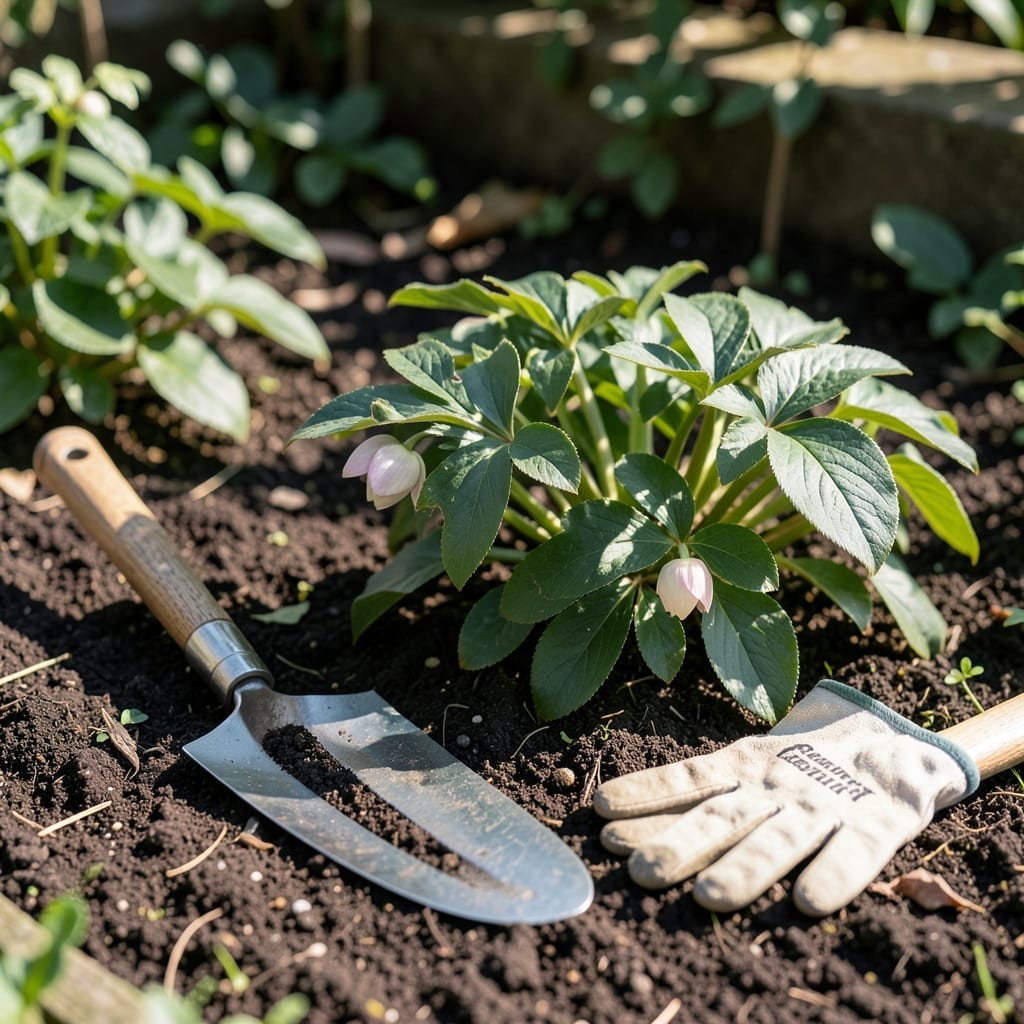
Hellebores, with their elegant winter blooms, can thrive for decades—but only if you divide them at the right time. Splitting these perennials at the wrong moment can stress the 🌸 Hellebore and ruin its flowering potential.
Timing is everything when it comes to keeping these plants healthy. Whether you’re a seasoned gardener or just starting out, knowing when to act makes all the difference.
I’ve learned the best approach through trial and error, and I’m here to share what works. The key is working with the plant’s natural cycle, not against it.
Discover how to spot the perfect moment and give your Hellebores the care they deserve for years of stunning blooms.
Timing is everything when dividing hellebores. I’ve learned the hard way that splitting these winter-blooming perennials at the wrong time can set them back for years. The best windows are early spring or early fall, when the plant isn’t under stress from extreme heat or cold.
In early spring, split just as new growth emerges but before the flower buds form. This gives the divisions time to establish roots before the blooming season. In early fall, aim for 4-6 weeks before the first frost to allow roots to settle before dormancy.
| Season | Best Months | Key Conditions |
|---|---|---|
| Early Spring | March-April | New growth visible, no buds |
| Early Fall | Sept-Oct | Cool temps, moist soil |
| Avoid | Summer/Winter | Extreme heat or frost |
Avoid splitting during active blooming or summer heatwaves. The plant directs energy to flowers in winter and struggles with heat stress in summer. Both scenarios can lead to transplant shock and poor recovery.
Watch for signs your hellebore needs dividing. Overcrowded clumps with reduced flowering are clear indicators. If the center of the plant looks bare or the blooms are smaller than usual, it’s time to split.
In my garden, I split hellebores in early March or late September. These times align with the plant’s natural growth cycles. The soil is still workable, and the weather is mild, which reduces stress on the root system.
Another tip: Water deeply the day before splitting. This ensures the plant is hydrated and the soil is easier to work with. After dividing, keep the new transplants well-watered for the first few weeks to help them establish.
If you live in a region with hot summers, prioritize fall division. The cooler temperatures and autumn rains create ideal conditions for root growth. In milder climates, early spring works equally well.
Remember, hellebores are tough but not invincible. Splitting at the right time ensures they’ll reward you with vibrant blooms for years to come. I’ve seen divided hellebores bounce back stronger, with more flowers the following season.
☀️Finally, always use sharp tools to minimize root damage. A clean cut helps the plant recover faster. And don’t forget to mulch after replanting to retain moisture and protect the roots.
I’ve found that early spring or early fall are the ideal windows for dividing hellebores. The plants are less stressed during these cooler periods and recover faster.
In early spring, split them as new growth emerges but before they bloom. This gives the divided clumps time to establish before summer heat arrives.
| Season | Best Time | Why It Works |
|---|---|---|
| Early Spring | March-April | New growth aids recovery |
| Early Fall | September-October | Cooler temps reduce stress |
Avoid splitting during active blooming or extreme heat, as this can shock the plant. I also watch for overcrowded clumps or reduced flowering, which signal it’s time to divide.
In fall, aim to split at least 6 weeks before frost so roots can settle. This timing ensures stronger plants come spring and better winter survival. ✂️
If you miss these windows, late fall or very early spring can work in mild climates. Just avoid freezing temps or waterlogged soil, which can rot the roots.
I always check the soil moisture before dividing—dry conditions stress the plant further. A light watering the day before helps ease the transition. 🌱
Finally, mulch lightly after replanting to retain moisture and protect the new divisions. This simple step boosts their chances of thriving in their new spots. 🌿