
Beautiful Plants For Your Interior
Beautiful Plants For Your Interior
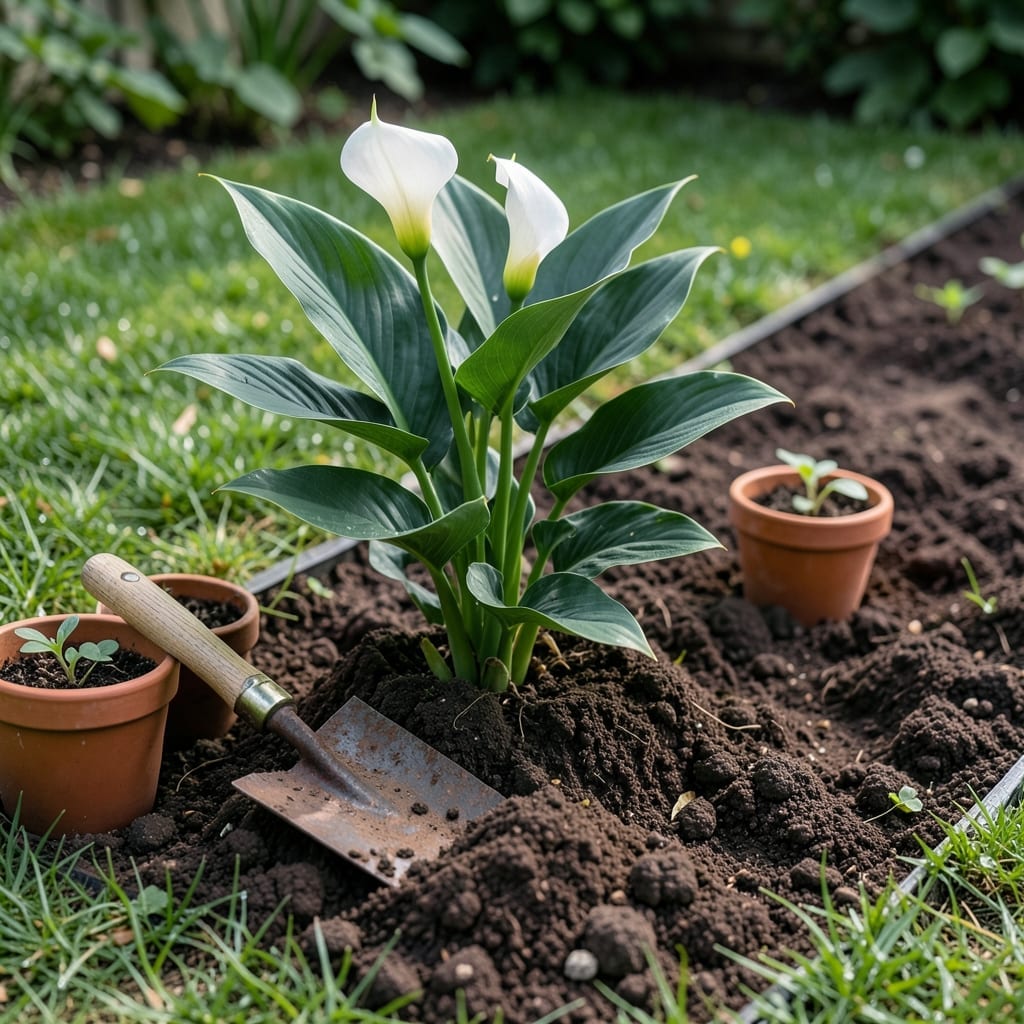
Calla lilies bring elegant, trumpet-shaped blooms to any garden, but knowing when to split them is the secret to keeping them thriving year after year.
Overcrowded rhizomes lead to fewer flowers and stressed 🌸 Calla Lily plants. Timing your division right ensures a vibrant display and healthier growth.
I’ve learned that splitting at the wrong time can set your plants back. The key is to act when they’re dormant, giving them the best chance to recover.
Let me show you exactly when and how to split your calla lilies for optimal results. You’ll be amazed at the difference it makes in your garden.
The ideal window for splitting calla lilies is during their dormant period. In most regions, this means early spring before new growth appears or fall after foliage dies back.
For gardeners in warmer climates (USDA zones 8-10), fall division often works best. Cooler zones should aim for early spring to avoid frost damage to tender new roots.
| Season | Best Months | Soil Temp |
|---|---|---|
| Early Spring | March-April | 50-60°F |
| Fall | Sept-Oct | 60-70°F |
| Warmer Zones | Nov-Dec | 65-75°F |
I always check the soil temperature with a simple thermometer. If it’s consistently above 50°F, your calla lilies will establish well after division.
In my experience, splitting in late summer can stress plants during their active growth phase. The dormant period gives them time to recover before their next bloom cycle.
For container-grown callas, you can split them anytime they’re dormant. Just ensure your potting mix stays moist but not soggy during recovery.
If you’re in USDA zone 7 or colder, avoid fall splitting. The first frost might arrive before your plants establish. Early spring is safer in these areas.
I’ve found that morning division works best. The cooler temperatures and lower sun intensity reduce transplant shock for your calla lilies.
After splitting, give your plants partial shade for a week. This helps them recover without the stress of full sun exposure.
Remember, the rhizomes should look plump and healthy. If they appear shriveled or rotten, it’s better to wait for better conditions before dividing. 🌸
Your calla lilies will often tell you when they’re ready for division. The first sign I notice is reduced blooming. When flowers become sparse or smaller, it’s a clear indicator.
Another obvious sign is crowded rhizomes pushing above the soil surface. This happens when the underground stems have outgrown their space and are competing for nutrients.
I’ve also seen yellowing leaves that aren’t caused by watering issues. When the older leaves start yellowing while new growth struggles, it’s often a space problem.
Smaller flowers are another red flag. If your calla lilies used to produce large, vibrant blooms and now they’re diminished in size, the rhizomes likely need more room to thrive.
Sometimes you’ll notice the rhizomes themselves pushing out of the soil. This is nature’s way of saying they’ve run out of space underground.
Lastly, if your calla lilies seem to be growing slower than usual despite proper care, it might be time to check their roots. Overcrowded rhizomes can’t absorb nutrients efficiently.
Remember, these signs often appear 2-3 years after planting. That’s the typical lifespan before calla lilies need division. 🌸