
Beautiful Plants For Your Interior
Beautiful Plants For Your Interior
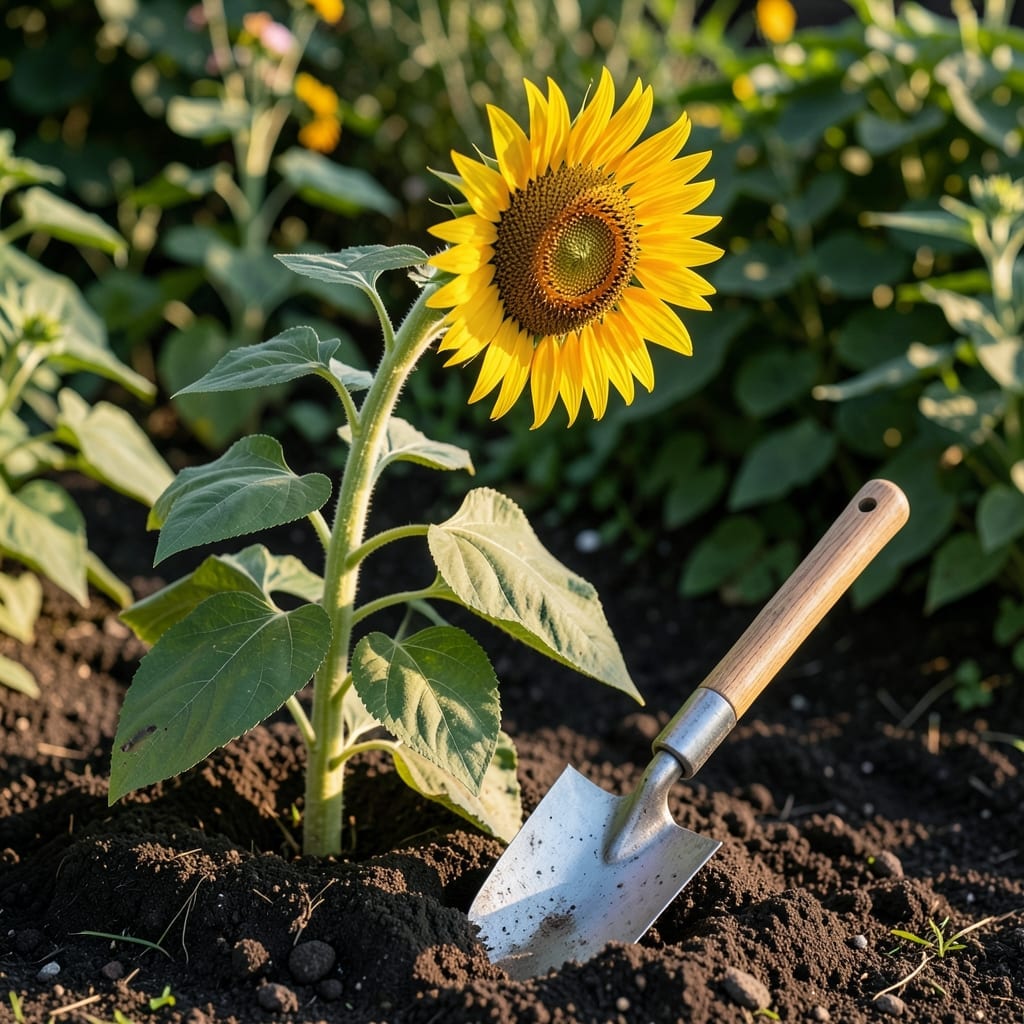
Timing is everything when it comes to growing vibrant sunflowers. Plant too early, and frost can wipe out your seedlings. Wait too long, and you might miss the best growing window entirely.
For most gardeners in zone 6, the sweet spot is April to May, when the soil warms up and the last frost has passed. This is when your 🌻 sunflower seeds will thrive and grow tall.
But it’s not just about the calendar—soil temperature and local climate play huge roles too. Get these right, and you’ll be rewarded with stunning blooms come summer.
Discover the exact timing and tips to ensure your sunflowers reach their full, towering potential this season.
Getting the timing right for sunflower seeds means the difference between thriving blooms and struggling sprouts. I always recommend waiting until the soil temperature hits at least 55-60°F for optimal germination. 🌻
In most regions, this aligns with spring planting after the last frost date. For USDA zones 2-4, that’s typically late April to early May, while warmer zones like 8-11 can start as early as March. 🌱
For cool climates, I’ve found that starting seeds indoors 2-3 weeks before the last frost can give you a head start. Just be sure to harden off the seedlings before transplanting. ☀️
In warmer regions, direct sowing is ideal. The sunflower’s deep roots don’t love being disturbed, so planting straight into the garden bed often yields the best results. I’ve seen giant varieties thrive when sown directly in loamy, well-draining soil. 🌿
If you’re in a short-season area, choose fast-maturing varieties like ‘Autumn Beauty’ or ‘Moulin Rouge.’ These can go from seed to bloom in as little as 60-70 days, giving you stunning flowers even with a shorter growing window. 🌻
For those in hot, dry climates, consider early morning sowing to reduce stress on the seeds. Mulching after planting helps retain soil moisture and keeps the temperature steady for even germination. 💧
I always check my local frost dates using the USDA Plant Hardiness Zone Map. It’s the most reliable way to pinpoint your ideal sowing window. Remember, sunflowers are frost-sensitive, so patience pays off! 🌱
Another pro tip: soil preparation is key. Work in compost or aged manure before planting to give your sunflowers the nutrient boost they need. This is especially important for heavy feeders like the mammoth varieties. ✂️
Finally, don’t forget that sunflowers need full sun—at least 6-8 hours daily. Choose a sheltered spot if you’re in a windy area, as tall stems can be vulnerable. With the right timing and care, you’ll be rewarded with vibrant, towering blooms all season long. 🌻
Not all sunflowers are created equal—each variety has its own ideal sowing time and care needs. Dwarf types like ‘Teddy Bear’ can start indoors 4-6 weeks before the last frost.
Giant varieties such as ‘Mammoth’ need warm soil, so wait until soil temps hit 55-60°F for outdoor planting. Multi-branching types like ‘Autumn Beauty’ thrive with successive sowings every 2-3 weeks.
| Variety | Sowing Time | Depth | Spacing |
|---|---|---|---|
| Dwarf | Indoors 4-6 weeks before frost | 1/4 inch | 12 inches |
| Giant | Outdoors after last frost | 1 inch | 3 feet |
| Multi-branching | Every 2-3 weeks | 1/2 inch | 18 inches |
For dwarf sunflowers, early indoor sowing gives them a head start. I recommend using peat pots to minimize transplant shock when moving them outside.
Giant sunflowers need space to stretch their roots, so plant seeds 1 inch deep and 3 feet apart. This prevents competition for nutrients and water as they grow.
If you love continuous blooms, multi-branching varieties are perfect. Sow a new batch every few weeks to enjoy sunflowers from early summer to fall.
Remember, soil temperature is key for all types. Use a soil thermometer to check conditions before planting. This small tool can make a big difference in germination success.
With the right timing and care, you’ll have a sunflower garden that’s the envy of the neighborhood 🌻