
Beautiful Plants For Your Interior
Beautiful Plants For Your Interior
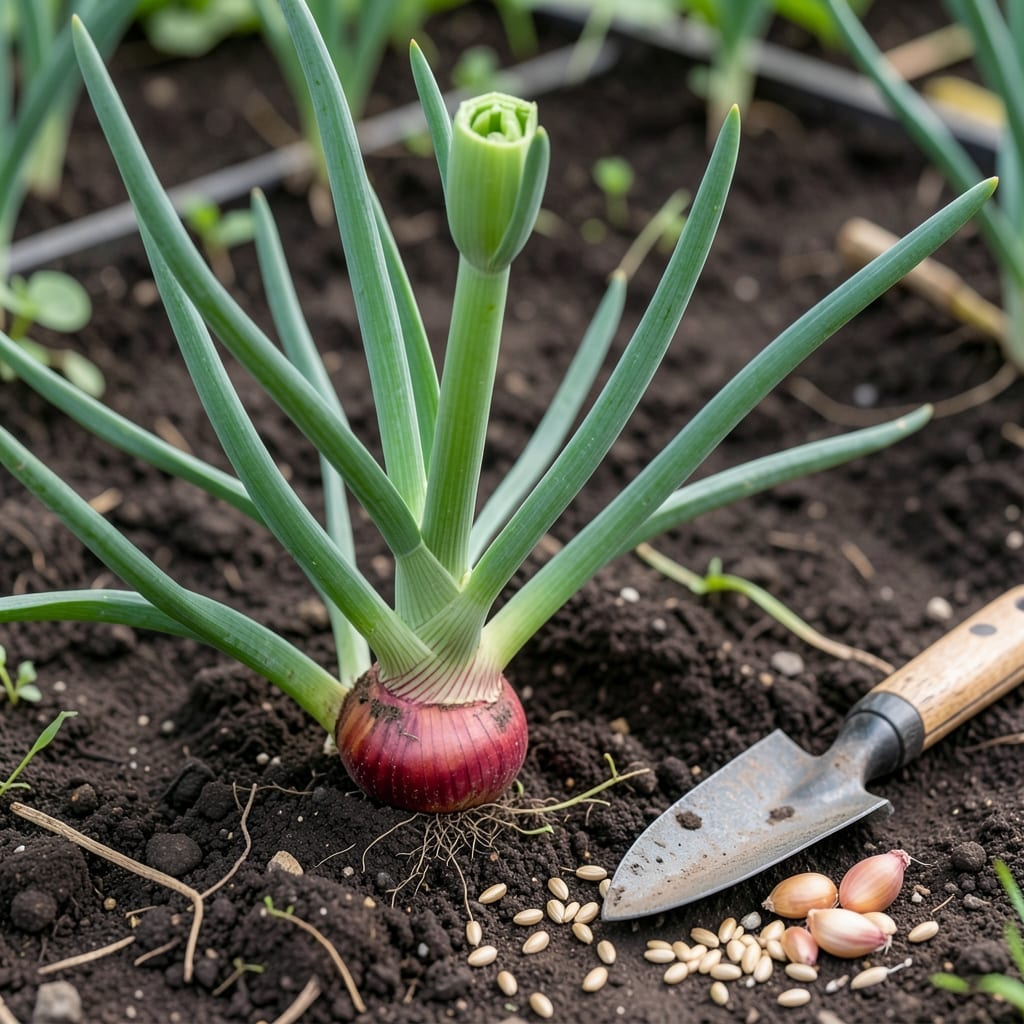
Timing is everything when it comes to growing Red Onion 🧅—plant too early or too late, and you risk poor yields or weak flavor. This guide helps you pinpoint the ideal sowing window for thriving crops in your climate.
I’ve learned that getting the timing right means the difference between a lackluster harvest and bulbs bursting with rich, tangy flavor. The secret lies in understanding your local conditions and the needs of this versatile vegetable.
Whether you’re in USDA Zone 6 or another region, I’ll show you exactly when to start your seeds. You’ll discover how to work with your last frost date and soil temperature to give your onions the best possible start.
Let’s break down the seasonal clues and practical steps that ensure your Red Onion patch will be the envy of the neighborhood. The perfect planting window is closer than you think.
I’ve found that red onions thrive when sown at the right time for your USDA hardiness zone. Timing impacts germination, bulb formation, and overall yield, so getting it right is key to a successful harvest.
In cooler zones like 3-5, I start seeds indoors 8-10 weeks before the last frost, then transplant outdoors once the soil is workable. For warmer zones 7-9, direct sowing in early spring or fall works best.
| Climate Zone | Sow Indoors | Transplant Outdoors | Direct Sow |
| Zones 3-5 | 8-10 weeks before last frost | 4-6 weeks before last frost | Early spring (as soon as soil is workable) |
| Zones 6-7 | 6-8 weeks before last frost | 3-4 weeks before last frost | Early spring or fall |
| Zones 8-9 | Optional (mild winters) | Early spring or late summer | Fall to winter |
For zone 6, where I garden, I aim to sow red onion seeds indoors in late February. This gives them a head start before transplanting in early April, just as the soil warms up.
In warmer regions, like zone 9, you can sow directly outdoors in fall for a spring harvest. The cool season helps bulbs develop without the stress of extreme heat.
I always check the soil temperature—it should be at least 50°F for germination. A soil thermometer is a handy tool to ensure conditions are ideal before planting.
If you’re in a short-season area, starting seeds indoors is non-negotiable. It extends your growing window and ensures mature bulbs before the first frost hits.
For fall planting in zones 7-9, sow seeds 8-10 weeks before the first expected frost. This allows onions to establish roots before winter dormancy.
I’ve learned that consistency in watering is crucial after sowing. Keep the soil evenly moist but not soggy to encourage strong root development.
Finally, remember that red onions prefer loose, well-draining soil. Amend heavy clay with compost to improve texture and drainage for better bulb formation. 🌱
Starting red onions from seed gives you more variety options than sets. I’ve found the most success by beginning indoors 6-8 weeks before the last frost date. This head start ensures strong, healthy seedlings ready for transplanting.
For direct sowing, wait until soil is workable and temperatures reach at least 50°F. In most regions, this falls in early spring. Red onions prefer cool weather for initial growth, so timing is critical for success.☀️
Indoor sowing lets me control the environment, avoiding late frosts that can stunt growth. Use a heat mat to maintain 70-75°F soil temperature for faster germination, which typically takes 7-10 days under ideal conditions.
When transplanting, I always choose a sunny location with loose, fertile soil. Red onions thrive in pH 6.0-7.0, so I test my soil and amend with compost if needed. This ensures the best start for robust bulb development.
For direct sowing, I prepare the bed by removing weeds and adding aged compost. Sowing in early spring allows onions to establish before summer heat. In warmer climates, fall sowing can also work for overwintering.
After planting, I mulch with straw or grass clippings to retain moisture and suppress weeds. This simple step makes a big difference in the health and size of my red onion harvest.🌱