
Beautiful Plants For Your Interior
Beautiful Plants For Your Interior
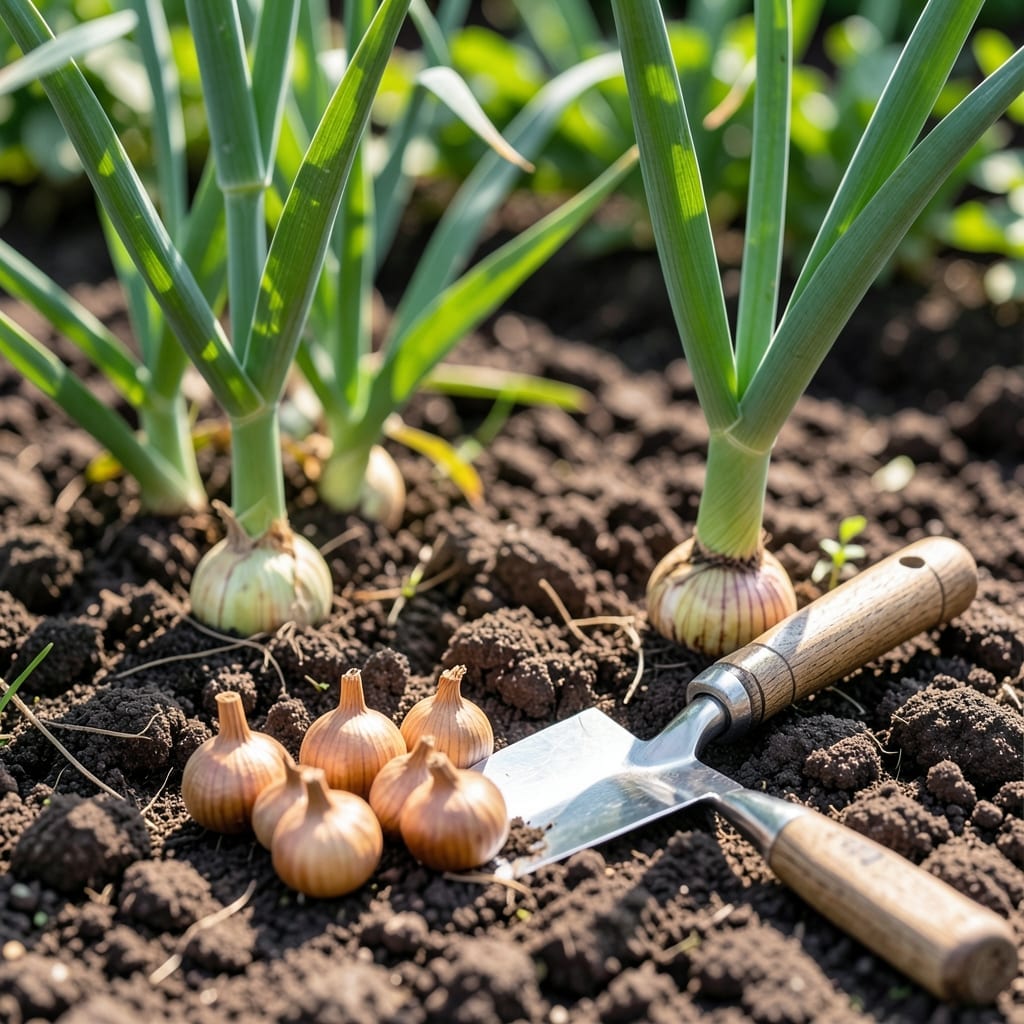
Timing is everything when it comes to planting Onion 🧅 sets—plant too early or too late, and you risk poor growth or a disappointing harvest. This guide will help you pinpoint the perfect window.
I’ve learned that getting the timing right means the difference between a bumper crop and a garden flop. Whether you’re in zone 6 or elsewhere, the principles stay the same.
Discover how to align your planting with nature’s rhythm for the best results. Let’s dig into the details together.
Getting the timing right for onion sets can make or break your harvest. I’ve found that planting 4-6 weeks before your last frost date gives the best results. This ensures the soil is workable and warm enough for root development.
For most gardeners in USDA zones 6-7, that means March to early April is ideal. But if you’re in a colder or warmer climate, adjustments are needed. Let’s break it down by region.
| Climate Zone | Planting Window | Key Consideration |
|---|---|---|
| Zones 3-4 | Late April – May | Avoid frost; use row covers |
| Zones 5-6 | March – April | Soil temp 50°F+ |
| Zones 7-8 | February – March | Early start for long-day varieties |
| Zones 9-10 | October – November | Cool season crop; avoid summer heat |
In cooler zones 3-4, wait until late April or May when the soil has warmed. I always use row covers to protect young sets from unexpected frosts. This extra layer can mean the difference between success and failure.
For zones 5-6, like where I garden, March to April is prime time. The soil should be at least 50°F for optimal growth. A soil thermometer is a handy tool I swear by for checking conditions.
If you’re in warmer zones 7-8, you can start as early as February. Long-day onion varieties thrive here, but be sure to plant early enough so bulbs mature before the intense summer heat sets in.
Gardeners in zones 9-10 have a different rhythm. Onions are a cool-season crop here, so October to November planting works best. This timing avoids the extreme heat that can stunt bulb development.
No matter your zone, always plant onion sets in well-draining soil with plenty of organic matter. I’ve seen sets rot in heavy, waterlogged soil, so amend with compost if needed.
Another pro tip: daylength matters. Short-day onions do best in southern zones, while long-day varieties are ideal for northern gardeners. Matching the variety to your latitude ensures proper bulb formation.
Finally, keep an eye on the 10-day forecast. If a cold snap is coming, delay planting or use those row covers. Onion sets are hardy, but young plants can struggle with extreme temperature swings.
With these zone-specific tips, you’ll be well on your way to a fantastic onion harvest this season 🌱
Planting onion sets correctly is just as important as timing. I always start by preparing the soil, ensuring it’s loose and well-draining to prevent rot. Onion sets need room to grow, so proper prep is non-negotiable.
Once the soil is ready, I plant each set about 1 inch deep and 4-6 inches apart. This spacing gives the bulbs enough room to expand without competing for nutrients. It’s a simple step that makes a big difference.
After planting, I water gently to help the soil settle around the sets. Too much water can dislodge them, so a light touch is key. I also add a thin layer of mulch to keep the soil moist and suppress weeds.
For the first few weeks, I monitor the sets closely. If the weather turns dry, I water once a week to keep the soil consistently moist. Onion sets aren’t drought-tolerant at this stage, so consistency is critical.
As the plants grow, I make sure they get full sun for at least 6 hours a day. Onions are sun-lovers, and without enough light, they’ll struggle to form large, healthy bulbs. If your garden has shady spots, save those for other crops.
Finally, I avoid over-fertilizing. A light balanced fertilizer every 4-6 weeks is all they need. Too much nitrogen can lead to lush greens but small bulbs, which defeats the purpose of growing onions in the first place 🌱