
Beautiful Plants For Your Interior
Beautiful Plants For Your Interior
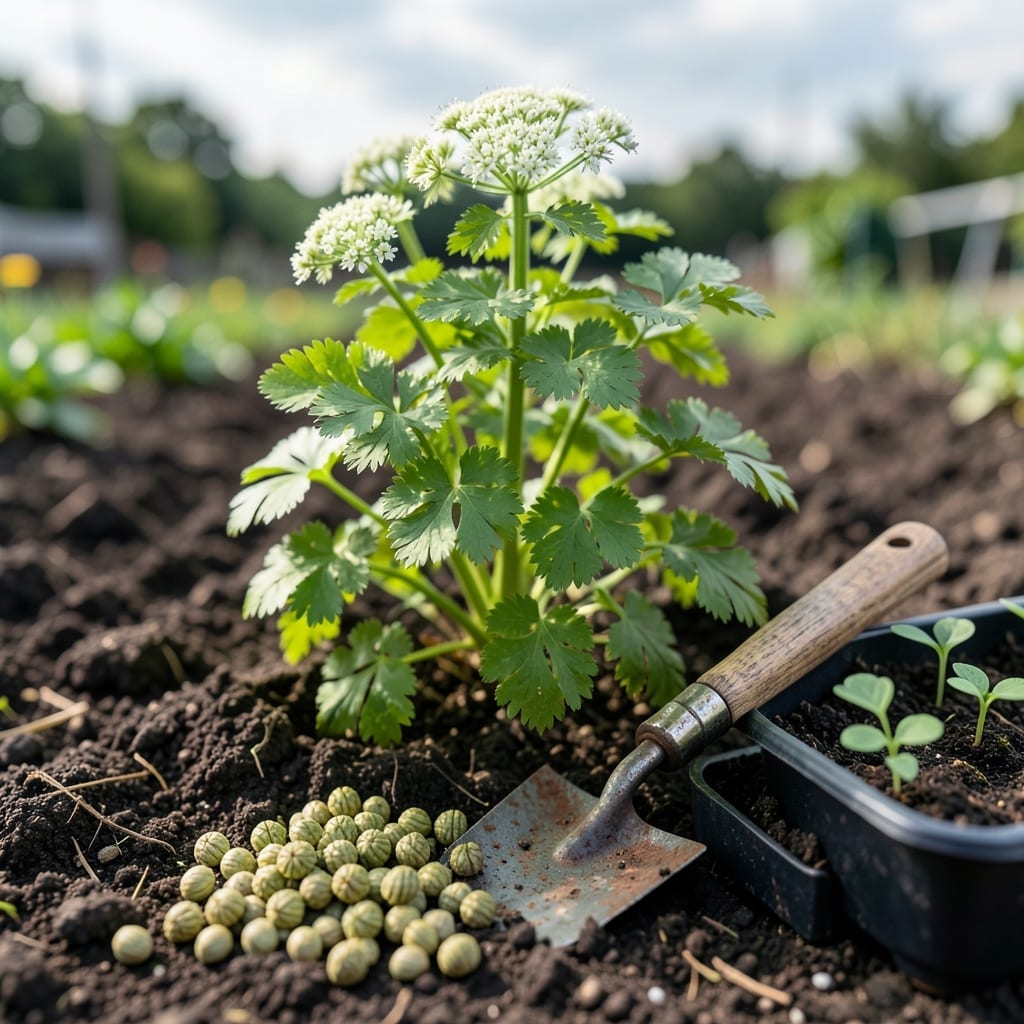
Timing is everything when growing cilantro—🌿 plant too late and it bolts to seed, too early and frost may ruin your crop.
I’ve learned the hard way that knowing the right sowing window makes all the difference. Whether you’re in zone 6 or just starting out, getting this right ensures a steady supply of fresh leaves.
Discover how to align your planting schedule with the seasons for optimal flavor and growth. No more guessing when to start—just follow these proven timing tips.
Let me walk you through the best windows to sow cilantro so you can enjoy its vibrant taste all season long.
I’ve found that cilantro thrives when sown at the right time, and timing varies by your USDA hardiness zone. This herb bolts quickly in heat, so getting it in the ground during cooler months is key to a long, flavorful harvest. 🌱
In my experience, spring and fall are the best seasons for sowing. The cool temperatures prevent premature flowering, while adequte sunlight ensures strong, healthy growth. But the exact timing depends on where you live.
| Zone | Spring Sowing | Fall Sowing |
|---|---|---|
| 1-3 | Late April – May | August – Early September |
| 4-5 | March – April | Late August – September |
| 6-7 | Early March – April | September – Early October |
| 8-10 | February – March | October – November |
For zones 1-3, I recommend waiting until late spring when the soil has warmed slightly. The short growing season means you’ll want to start as soon as the last frost has passed to maximize your harvest window.
In zones 4-5, early spring sowing works well, but I’ve had great success with a late summer planting too. This gives you a second harvest before winter sets in, as cilantro handles light frosts surprisingly well.
If you’re in zones 6-7, like me, March and September are ideal. The mild temperatures in these months encourage steady growth without the risk of bolting. Just be sure to keep the soil moist during dry spells.
For gardeners in zones 8-10, winter sowing is your best bet. The cooler months provide the perfect conditions, while summer heat will cause cilantro to bolt almost immediately. I’ve seen it happen in as little as 2-3 weeks in peak summer!
No matter your zone, soil temperature is critical. Aim for 50-70°F for the best germination rates. I always check with a soil thermometer to be sure. If it’s too cold, the seeds may rot; too hot, and they’ll struggle to sprout.
Another tip: direct sowing works best for cilantro. It doesn’t transplant well, so I skip starting indoors and plant seeds 1/4 inch deep in well-draining soil. Thin seedlings to 6 inches apart once they’re a few inches tall.
Finally, if you’re eager to extend your harvest, consider succession planting. Sow a new batch every 2-3 weeks during the optimal windows. This way, you’ll have a continuous supply of fresh leaves even as older plants start to bolt.
With the right timing, you’ll enjoy vibrant, aromatic cilantro all season long. 🌿
I’ve found that succession planting is the secret to enjoying cilantro all season long. Instead of sowing once, I plant small batches every 2-3 weeks to keep a steady supply coming.
This method works because cilantro bolts quickly in hot weather. By staggering my sowing, I ensure fresh leaves are always ready before older plants go to seed.
Extend Your Cilantro Harvest:
I start my first batch in early spring as soon as the soil is workable. The cool temperatures help prevent premature bolting and give the plants a strong start.
As summer approaches, I switch to shadier spots or use row covers to protect the plants from excessive heat. This keeps them producing longer.
In late summer, I begin another round of sowing for a fall harvest. The cooler days of autumn bring out the best flavor in cilantro leaves.
Remember, consistent moisture is key. I water my cilantro 1 inch per week, keeping the soil evenly damp but never soggy. This encourages strong root growth and tender leaves.
With this approach, I enjoy fresh cilantro from spring through fall without interruption 🌿