
Beautiful Plants For Your Interior
Beautiful Plants For Your Interior
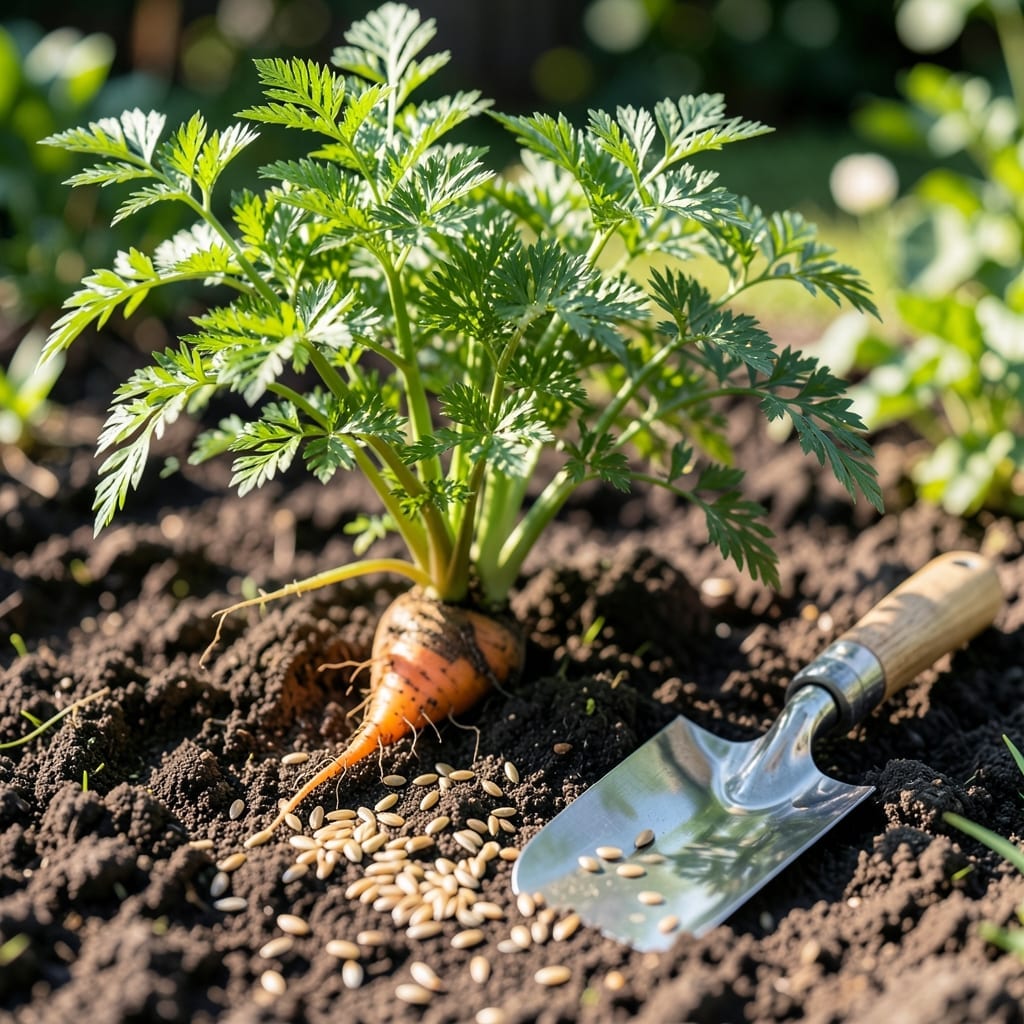
Timing is everything when it comes to growing sweet, crisp Carrots 🥕. Sow them too early or too late, and you might end up with bitter, stunted, or bolted roots.
I’ve learned the hard way that getting the timing right makes all the difference. In USDA Zone 6a, the window is narrow but rewarding, and a little planning goes a long way.
Whether you’re a first-time gardener or a seasoned pro, understanding when to plant ensures a bountiful harvest. Let’s break down the best approach for your climate.
Discover how to align your efforts with nature’s rhythm and set yourself up for success from the very first sow.
Getting the timing right for sowing carrots means the difference between a bountiful harvest and a disappointing one. I’ve found that cool-season crops like carrots thrive when planted in early spring or late summer for fall harvests.
In USDA zones 3-5, aim to sow 2-4 weeks before your last frost date. For zones 6-8, you can start as early as late winter under row covers. Warmer climates in zones 9-11 should focus on fall and winter plantings to avoid heat stress.
| Climate Zone | Primary Sowing Window | Secondary Sowing Window |
|---|---|---|
| Zones 3-5 | Early Spring (4-6 weeks before last frost) | Late Summer (8-10 weeks before first frost) |
| Zones 6-8 | Late Winter to Early Spring | Late Summer to Early Fall |
| Zones 9-11 | Fall to Early Winter | Late Winter for spring harvest |
Carrots need soil temperatures between 40°F and 85°F to germinate, with 75°F being ideal. I always check my soil thermometer before planting to ensure conditions are optimal.
In cool climates, you can extend the season by using row covers or cold frames. These protect young seedlings from late frosts and allow for earlier planting. Just
For warm climates, shade cloth can be a game-changer. It helps keep the soil cool and prevents bolting, which can make your carrots bitter and woody. I like to use 30-50% shade during the hottest part of the day.
Succession planting is key for a continuous supply. I sow a new batch every 2-3 weeks until mid-summer. This way, I always have fresh carrots ready to harvest without overwhelming my garden space.
Don’t forget about soil preparation. Carrots need loose, well-draining soil to grow straight and long. I mix in compost and remove any rocks or clumps that could deform the roots.
If you’re in a region with mild winters, you can even grow carrots year-round. I’ve had great success with winter sowing in USDA zone 7, using low tunnels for extra protection.
Remember, local microclimates can vary. If you live near a body of water or in a valley, your planting windows might shift slightly. Always observe your garden’s unique conditions.
Finally, keep an eye on the weather forecast. A sudden cold snap or heatwave can set your carrots back. I use a garden journal to track planting dates and adjust as needed each year 🌱
I love using succession planting to keep my garden producing fresh carrots all season long. Instead of one big harvest, I sow new seeds every 2-3 weeks for a steady supply.
This method works best in cool climates where temperatures stay below 80°F. For warmer areas, I switch to heat-tolerant varieties like ‘Dragon’ or ‘Solar Yellow’ for summer sowing.
I always thin seedlings to 2-3 inches apart once they sprout. This prevents overcrowding and ensures straight, healthy roots. Crowded carrots often grow stunted or misshapen.
For fall harvests, I count backward from my first frost date. Most carrot varieties need 70-80 days to mature, so I plant accordingly. This timing avoids winter kill while maximizing growth.
I’ve found that shorter varieties like ‘Paris Market’ work well for container gardening. They mature faster and are perfect for small spaces or raised beds.
☀️