
Beautiful Plants For Your Interior
Beautiful Plants For Your Interior
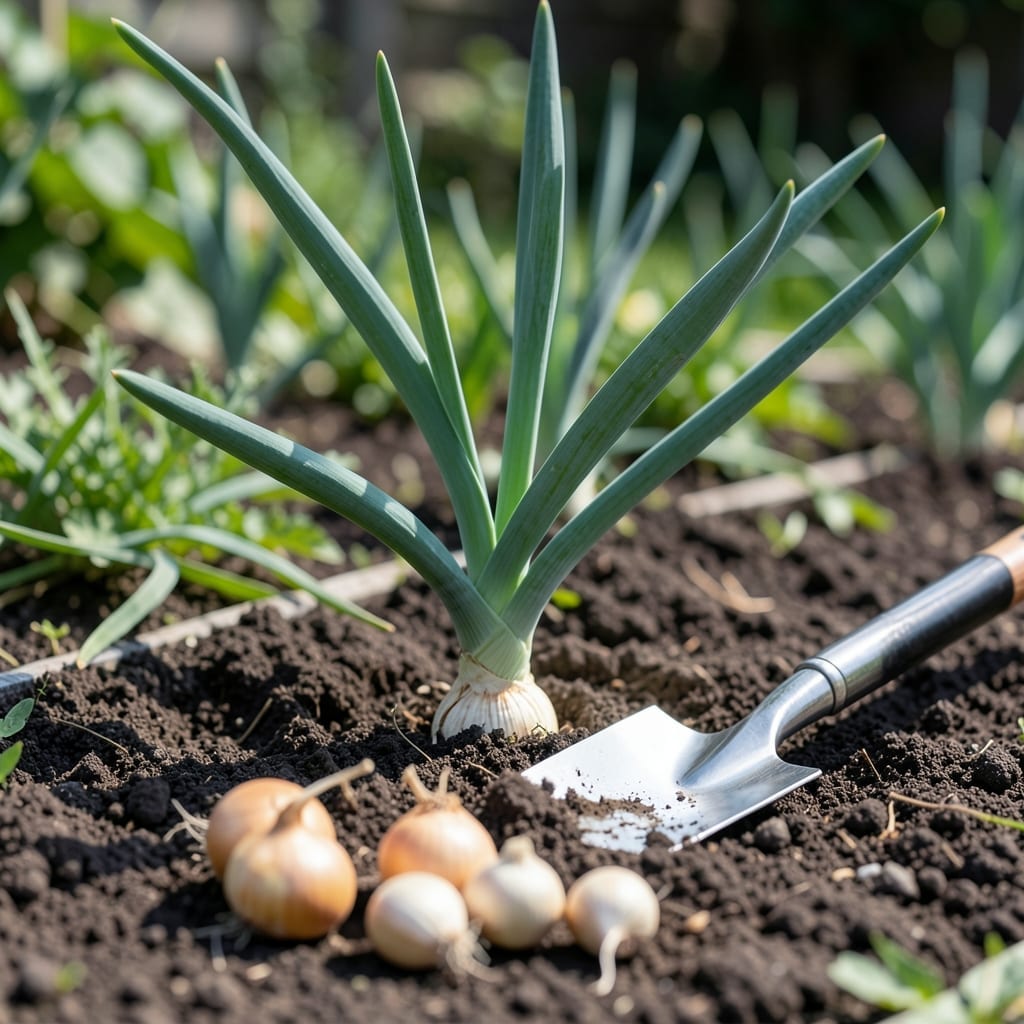
Timing is everything when planting onion sets—the difference between a disappointing harvest and bulbing success often comes down to just a few weeks.
I’ve learned that getting the 🧅 Onion in the ground at the right moment can make all the difference. Whether you’re in zone 6 or another region, the window is tighter than you might think.
Discover when to set those sets for the juiciest, most flavorful results. It’s not just about the calendar—it’s about the soil and the season working together.
Let me walk you through how to nail that perfect planting time so your garden thrives. The secret is simpler than you’d expect.
I’ve found that onion sets thrive when planted at the right time for your climate zone. Timing impacts bulb formation, size, and flavor. In cooler zones, early spring planting is key, while warmer regions can often plant in fall for a winter harvest.
For most gardeners, the sweet spot is 4-6 weeks before your last frost date. This gives the sets time to establish roots before bulb development kicks in. But regional differences matter—what works in Zone 5 won’t suit Zone 9.
| USDA Zone | Planting Window | Harvest Time |
|---|---|---|
| Zones 3-5 | March-April | July-August |
| Zones 6-7 | February-March | June-July |
| Zones 8-10 | October-November | March-May |
In Zones 3-5, the cold winters mean you’ll plant onion sets as soon as the soil is workable in early spring. I always check for 40°F soil temps—any colder, and the sets may rot instead of root.
Gardeners in Zones 6-7 get a head start. Here, February planting works well, but I’ve had success with late winter starts too. The key is avoiding soggy soil, which can stunt growth.
For Zones 8-10, fall planting is the secret. I plant sets in October or November to let them establish before winter. They’ll overwinter and bulb up as temps rise in spring, giving you an early harvest.
If you’re in a mild climate, you can also try succession planting. I’ll plant a batch in early spring and another in fall to extend my harvest window. Just watch for bolting in warm weather.
Remember, soil temperature is more critical than air temp. I use a soil thermometer to confirm it’s at least 40°F before planting. In my experience, sets planted too early in cold soil struggle to thrive.
For fall planting in warm zones, aim for 6-8 weeks before your first frost. This gives the sets enough time to root deeply before dormancy. I’ve found that mulching helps protect them through winter.
No matter your zone, well-draining soil is non-negotiable. Onion sets hate wet feet, so I always amend heavy clay with compost or sand before planting. Full sun is another must—at least 6 hours daily for the best bulbs.
Finally, keep an eye on daylight hours. Onions bulb up in response to day length, so planting too late in spring can result in smaller bulbs. In my garden, sticking to the recommended windows for my zone has always paid off.
With the right timing, you’ll be rewarded with plump, flavorful onions that store well. And remember, consistency in watering and care makes all the difference once they’re in the ground. 🌱
Before planting onion sets, I always check if the soil is ready. The ideal soil temperature should be at least 50°F for proper root development. Cold, wet soil can stunt growth or cause rot.
I look for soil that crumbles easily in my hand—this means it’s workable and not too compacted. If it sticks together or feels muddy, it’s best to wait a few more days for conditions to improve.
⚠️ Warning: Avoid planting in soggy soil or when frost is still likely. These conditions can lead to poor germination or disease.
Another key sign is soil moisture. It should feel damp but not waterlogged. I test by squeezing a handful—if water drips out, it’s too wet. If it holds its shape but doesn’t drip, it’s perfect for onion sets.
I also check for weed growth. If weeds are starting to sprout, that’s a good indication the soil is warm enough. Just be sure to remove them before planting to reduce competition for nutrients.
For best results, I recommend testing the soil pH level. Onions thrive in slightly acidic to neutral soil, around 6.0 to 7.0. A simple soil test kit can confirm if adjustments are needed.
Finally, I ensure the planting area gets full sun for at least 6 hours daily. Onions need plenty of light to develop strong, flavorful bulbs. If your garden has shady spots, save those for other crops.
With these checks, you’ll set your onion sets up for success from day one 🌱