
Beautiful Plants For Your Interior
Beautiful Plants For Your Interior
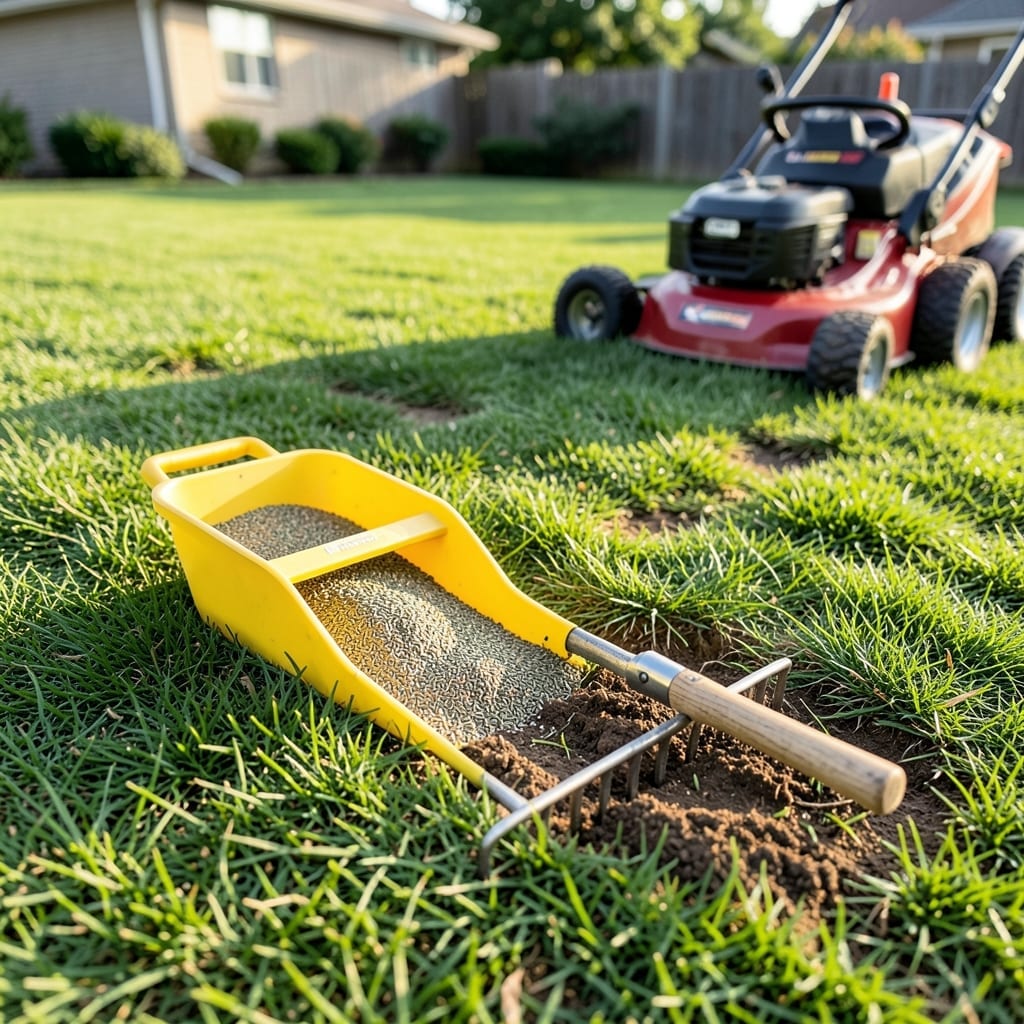
Timing is everything when it comes to reseeding your 🌱 Lawn Grass in the fall. Do it right, and you’ll enjoy a lush, green turf next spring.
Do it wrong, and you might waste time, money, and seed. The cooler temperatures and reduced weed competition make fall the perfect season for this task.
But when exactly should you start? I’ll walk you through the ideal window, especially for USDA Zone 6, where timing can make or break your results.
Discover the key factors that ensure your reseeding efforts thrive, from soil prep to post-care, so you can achieve that dream lawn.
Fall is the perfect season for reseeding because the cool temperatures and consistent moisture help seeds establish strong roots before winter dormancy.
For cool-season grasses like Kentucky bluegrass or tall fescue, aim to reseed 6-8 weeks before your first expected frost to allow proper root development.
| Grass Type | Region | Best Reseeding Window |
|---|---|---|
| Cool-Season (Bluegrass, Fescue) | Northern States | Early Fall (Aug-Sept) |
| Cool-Season | Transitional Zone | Mid-Fall (Sept-Oct) |
| Warm-Season (Bermuda, Zoysia) | Southern States | Late Summer (Aug-Sept) |
In northern regions, I recommend starting as early as mid-August to give seeds the full benefit of fall’s growing conditions before winter arrives.
For transitional zones, where winters are milder, you can push your reseeding into early October, but avoid seeding if nighttime temperatures drop below 50°F consistently.
Warm-season grasses like Bermuda or Zoysia need a different approach. Reseed in late summer (August) when soil is still warm but air temperatures are cooling.
If you’re in the Deep South, fall reseeding may not be ideal. Instead, focus on spring seeding or use winter ryegrass for temporary green cover.
Always check your local frost dates and adjust timing accordingly. The goal is to give new grass 4-6 weeks of active growth before the first hard frost.
Soil temperature is another critical factor. Aim for 55-65°F at a 2-inch depth for optimal seed germination and root development.
Finally, monitor the weather forecast. Avoid reseeding if heavy rain is expected within 48 hours, as this can wash away seeds or create uneven germination. ☀️
Getting the timing right for fall lawn reseeding depends on several critical factors. I always check soil temperature first—it should stay above 50°F for seed germination. Cool-season grasses thrive when sown 6-8 weeks before the first frost.
Another game-changer is rainfall patterns. Early fall often brings more consistent moisture, which helps seeds establish. But if your area is dry, I recommend supplemental watering to keep the soil moist.
Don’t overlook weed competition. I always clear the lawn of weeds before reseeding to give the new grass seed the best chance. Weeds can outcompete young grass for nutrients and space.
The type of grass seed also matters. For example, Kentucky bluegrass needs more time to establish than perennial ryegrass. Check your seed mix’s specific requirements for best results.
Finally, monitor the forecast. If a cold snap is coming, delay seeding until temperatures stabilize. Young grass is vulnerable to frost damage, so timing is everything.
By keeping these five factors in mind, you’ll set your lawn up for success. A little planning now means a thicker, greener lawn next spring 🌱