
Beautiful Plants For Your Interior
Beautiful Plants For Your Interior
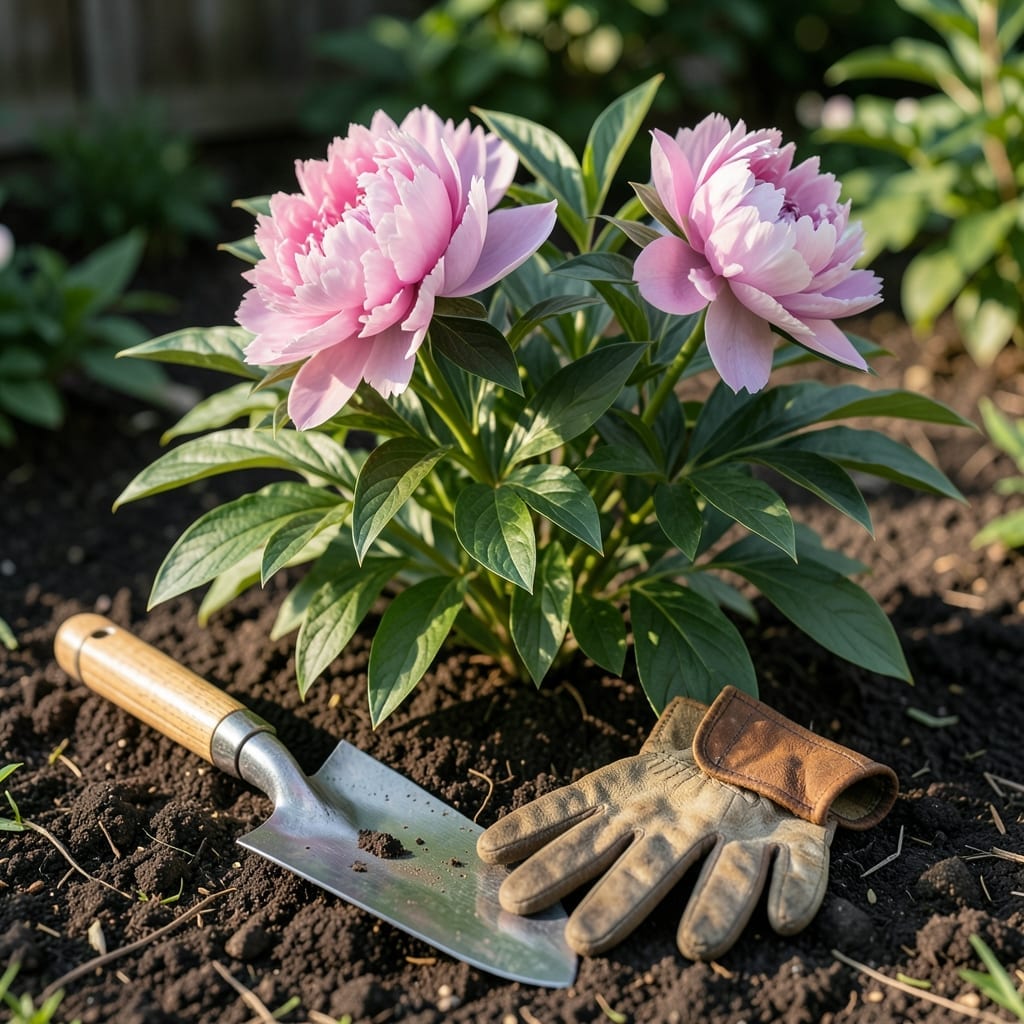
Timing is everything when it comes to replanting Peony 🌸 — do it right, and you’ll be rewarded with lush blooms for years.
Do it wrong, and you risk stunting growth or losing the plant entirely. I’ve learned the hard way that choosing the right moment makes all the difference.
With the right timing, your peonies will establish strong roots and thrive. Discover the best windows to move them without stressing the plant.
Let me walk you through the most important seasonal considerations so your garden stays vibrant and healthy year after year.
If you want your peonies to thrive, timing is everything. I’ve found that early fall is the absolute best window for replanting. This gives roots time to establish before winter dormancy.
The secondary ideal window is late winter or early spring, just as the ground thaws but before new growth appears. Both periods minimize stress on the plant.
| Season | Best Months | Why It Works |
|---|---|---|
| Early Fall | September-October | Cooler temps, soil still warm |
| Late Winter | February-March | Dormant season, less stress |
| Avoid | May-July | Active growth period |
Early fall is my top recommendation because the soil stays warm while air temperatures cool. This combo encourages root growth without stressing the plant.
In late winter, you’re working with dormant plants, which handle the move better. Just ensure the ground isn’t frozen and new shoots haven’t emerged yet.
I always avoid summer replanting—the heat and active growth make it risky. The plant is focused on blooming, not root establishment, which can lead to transplant shock.
For USDA zones 3-8, aim for 4-6 weeks before the first frost in fall. This gives roots enough time to settle in before winter.
In spring, watch for soil workability. If it’s too muddy, wait a few days. Peonies hate waterlogged roots, especially after being moved.
I’ve seen the best results when replanting in morning hours. The cooler temps and lower sun intensity reduce stress on the peony roots during the move.
Remember, container-grown peonies can be replanted anytime except during peak summer heat. Their roots are already confined, so they adapt faster.
After replanting, give your peonies a deep watering to help settle the soil. This eliminates air pockets around the roots and kickstarts the establishment process.
With the right timing and care, your peonies will reward you with bigger, more vibrant blooms in the following seasons 🌸
If your peonies aren’t blooming like they used to, it might be time for a change. I’ve noticed that overcrowded roots or stunted growth are clear signs they need more space to thrive.
Another red flag is fewer flowers or smaller blooms than in past years. This often means the plant is struggling in its current spot and could benefit from fresh soil and room to spread.
Watch for yellowing leaves that aren’t due to seasonal changes. This can indicate root stress or nutrient depletion in the soil, which a move can often fix.
If you see powdery mildew or other fungal issues, replanting in a sunnier spot with better airflow can help. I always check for circling roots when digging up my peonies—this is a sure sign they’ve outgrown their space.
Don’t wait until the plant is severely stressed. Early signs like slower growth or weaker stems are your cue to act. A timely move can rejuvenate your peonies for years of beautiful blooms.
I’ve found that addressing these signs early leads to healthier plants and more vibrant flowers the following season. Trust your instincts—if something looks off, it probably is 🌱