
Beautiful Plants For Your Interior
Beautiful Plants For Your Interior
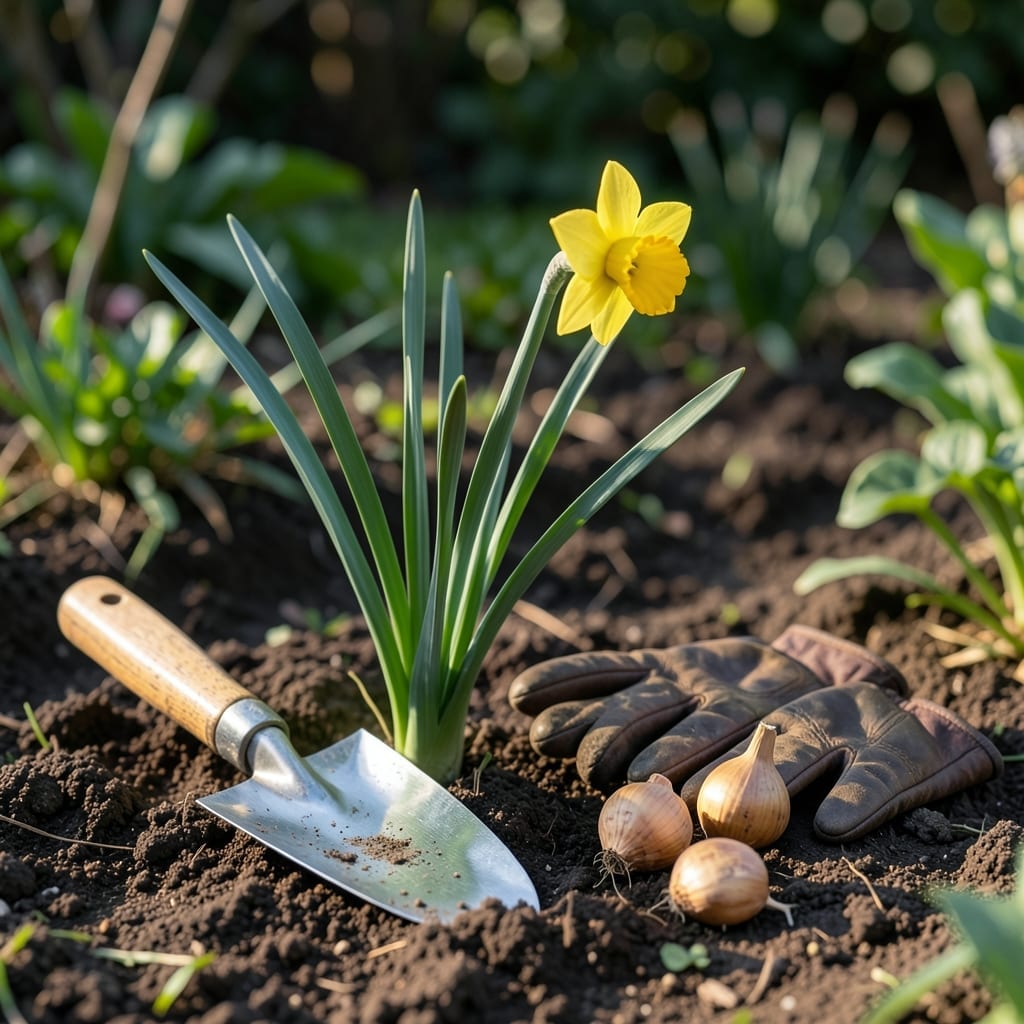
That moment when your daffodils stop blooming like they used to hits hard. I’ve been there, staring at patchy green leaves where vibrant 🌷 Daffodils once thrived, wondering what went wrong.
Turns out, it’s often about timing. Replanting these bulbs at the right moment can revive their glory and fill your garden with color again. The window is narrower than you might think.
Let me walk you through the best approach to ensure your Daffodils bounce back stronger and bloom like never before.
Timing is everything when it comes to replanting daffodils. These hardy perennials thrive when moved during their dormant period, typically after their foliage has died back naturally. This usually occurs in late spring or early summer. 🌷
I always recommend waiting until the leaves turn yellow and begin to wilt. This signals that the bulb has finished storing energy for next year’s bloom. Replanting too early can disrupt this process and leave you with fewer flowers next season.
| Daffodil Replanting Timeline | |
| Stage | Action |
| Post-Flowering | Allow foliage to yellow |
| Early Dormancy | Dig up bulbs carefully |
| Mid-Dormancy | Divide overcrowded clumps |
| Late Dormancy | Replant in new location |
| Fall | Plant 2-4 weeks before frost |
The ideal soil temperature for replanting is between 60-65°F. This range encourages root development before winter sets in. If you’re in a warmer climate, aim for early fall to give bulbs time to establish. ☀️
I’ve found that early morning is the best time to dig up bulbs. The soil is cooler, and the plants are less stressed. Use a garden fork to gently lift the clump, taking care not to damage the bulbs or their roots.
Once you’ve lifted the bulbs, brush off excess soil and inspect them. Discard any that are soft, moldy, or damaged. Healthy bulbs should feel firm and plump, ready for their new home. This is also the perfect time to divide large clumps into smaller groups.
When replanting, choose a location with well-draining soil and full sun to partial shade. Daffodils prefer slightly acidic to neutral soil, so amending with compost or peat moss can improve their growing conditions. 🌱
Plant bulbs at a depth of 6 inches, spacing them 4-6 inches apart. This gives them enough room to multiply without competing for nutrients. Water thoroughly after planting to help settle the soil and encourage root growth.
After replanting, mark the area with garden stakes or labels. This prevents accidental digging in the spot before the bulbs emerge next spring. A layer of mulch can also help insulate the soil and retain moisture. ✂️
Finally, resist the urge to water too much. Daffodils need moderate moisture during their active growth but prefer drier conditions during dormancy. Overwatering can lead to bulb rot, so let the soil dry out between waterings.
Your daffodils might be crying out for a new home, and I’ve learned to spot the tell-tale signs. The most obvious clue is fewer blooms each year, despite healthy foliage. This often means the bulbs are overcrowded and competing for nutrients. 🌷
Another red flag is yellowing leaves or stunted growth during the growing season. If the foliage looks weak or sparse, it’s time to dig up those bulbs and give them space to thrive. Don’t wait until they stop blooming entirely.
I’ve also noticed that bulbs pushing through soil or uneven growth are clear indicators. When daffodils start emerging in odd directions or clumps, it’s their way of saying they need more room. This typically happens after 3-5 years in the same spot.
Another sign is foliage flopping over before it naturally dies back. Healthy daffodil leaves should stand upright until they begin to yellow. If they’re collapsing early, it could mean the bulbs are struggling with poor drainage or nutrient deficiency. ☀️
Don’t overlook pest damage either. If you notice holes in the leaves or chewed stems, it might be time to relocate the bulbs to a less vulnerable area. Aphids and narcissus flies can weaken plants over time.
Finally, if your daffodils are failing to multiply, it’s a sure sign they need attention. Healthy bulbs should naturally divide and spread. If your patch isn’t expanding, replanting in fresh, fertile soil can kickstart their growth again. 🌱