
Beautiful Plants For Your Interior
Beautiful Plants For Your Interior
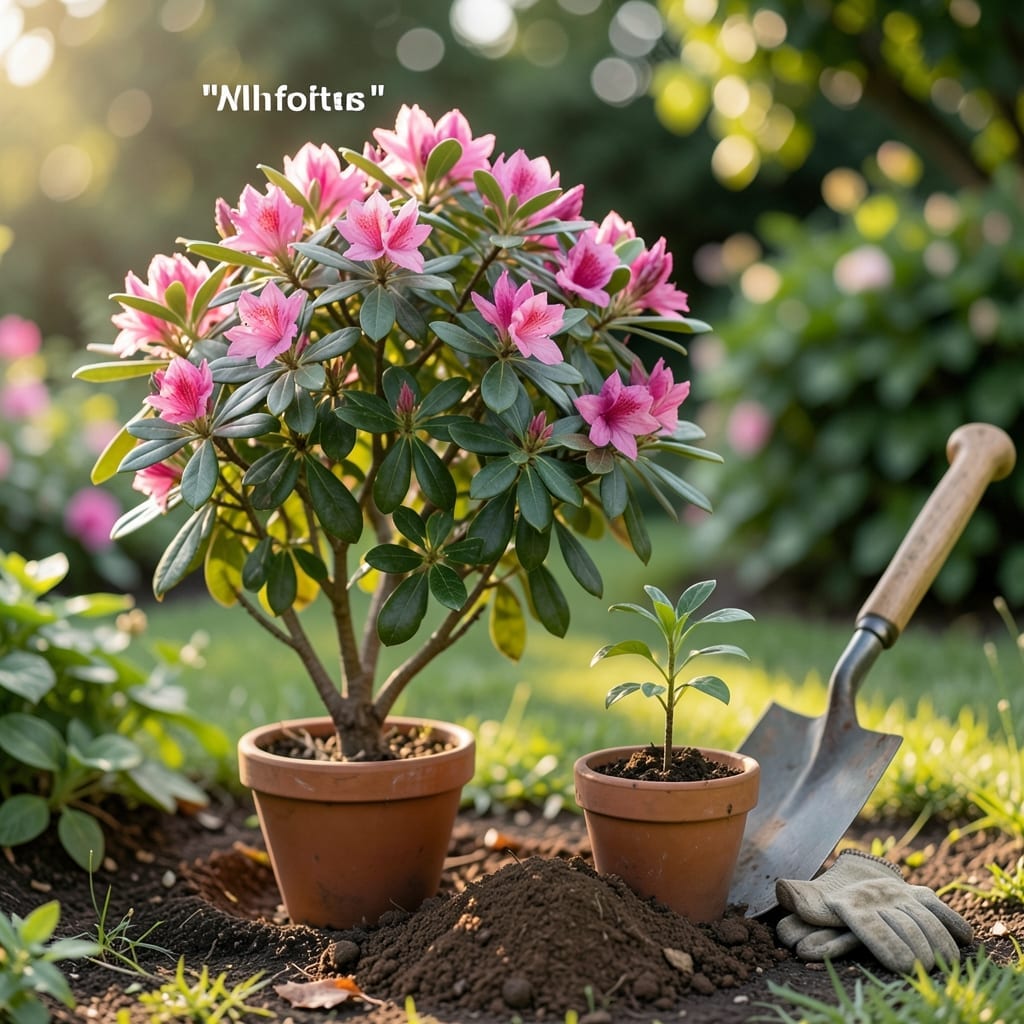
Replanting azaleas at the wrong time can shock these delicate shrubs, but choosing the optimal season ensures vibrant blooms and healthy growth.
The 🌸 Azalea thrives when transplanted during cooler months, avoiding the stress of extreme heat or cold. I’ll share the best windows to move these shrubs for minimal stress.
Discover how timing and preparation make all the difference for your azaleas’ success and longevity.
Azaleas are sensitive shrubs that thrive when transplanted during cooler months. The best windows are early spring or late fall, when temperatures are mild and stress is minimized. This timing allows roots to establish before extreme weather hits.
I’ve found that March to May and September to October work best for most regions. These periods avoid the summer heat and winter freeze that can shock the plant. Always check your local frost dates for precision.
| header-cell” style=”padding: 12px; text-align: left; border: 1px solid #e0e0e0; background-color: #6fd544; color: #ffffff;”>Pros | cell” style=”padding: 12px; text-align: left; border: 1px solid #e0e0e0;”>Early Spring | cell” style=”padding: 12px; text-align: left; border: 1px solid #e0e0e0;”>Risk of late frosts |
|---|---|---|
| cell” style=”padding: 12px; text-align: left; border: 1px solid #e0e0e0;”>Mild weather, less transplant shock | Need to finish 6 weeks before frost |
In early spring, azaleas benefit from cool soil and increasing daylight. This encourages new root development before the heat of summer. Just ensure the ground isn’t frozen or waterlogged when you start.
For late fall transplanting, aim for September or October in most zones. The soil stays warm enough for roots to grow, but the air is cool. This balance reduces transplant shock significantly.
If you live in a warmer climate, like USDA Zone 8-10, you can push the fall window to November. However, in colder zones like Zone 5, finish by mid-September to avoid frost damage.
Soil temperature is a critical factor many overlook. Azaleas prefer 50-60°F soil for ideal root growth. Use a soil thermometer to check conditions before digging. This small step can make a huge difference in success rates.
Another tip: Water deeply for 2-3 days before transplanting. This ensures the root ball stays intact and reduces stress. I always pre-water my azaleas, and it’s a game-changer for their recovery.
After replanting, mulch heavily with 2-3 inches of organic material. This keeps roots cool in summer and insulated in winter. Pine bark or straw works exceptionally well for azaleas.
Finally, avoid transplanting during drought conditions or extreme heat. Even in the right season, high stress can lead to poor establishment. Patience and timing are your best tools for healthy, blooming azaleas. 🌸
Transplanting azaleas requires careful preparation to minimize shock. I always start by pruning back about 1/3 of the foliage to reduce water loss. This step is crucial for helping the plant focus energy on root establishment.
Next, water deeply for 2-3 days before digging. This ensures the root ball stays intact during the move. Use a sharp spade to dig a wide berth around the plant, preserving as many roots as possible.
When digging the new hole, make it twice as wide but no deeper than the root ball. Azaleas have shallow roots, so planting too deep can suffocate them. I always mix in compost or peat moss to improve soil structure.
After placing the azalea in the hole, backfill gently and tamp down to remove air pockets. Then, water thoroughly to settle the soil. This initial watering is critical for eliminating air gaps around the roots.
For post-transplant care, keep the soil consistently moist for the first 4-6 weeks. I use a drip irrigation system to maintain even moisture without waterlogging. Avoid fertilizing immediately after transplanting, as it can stress the plant further.
Finally, mulch with 2-3 inches of pine bark or straw to retain moisture and regulate soil temperature. This simple step significantly improves survival rates. With proper timing and care, your azaleas will thrive in their new location. 🌸