
Beautiful Plants For Your Interior
Beautiful Plants For Your Interior
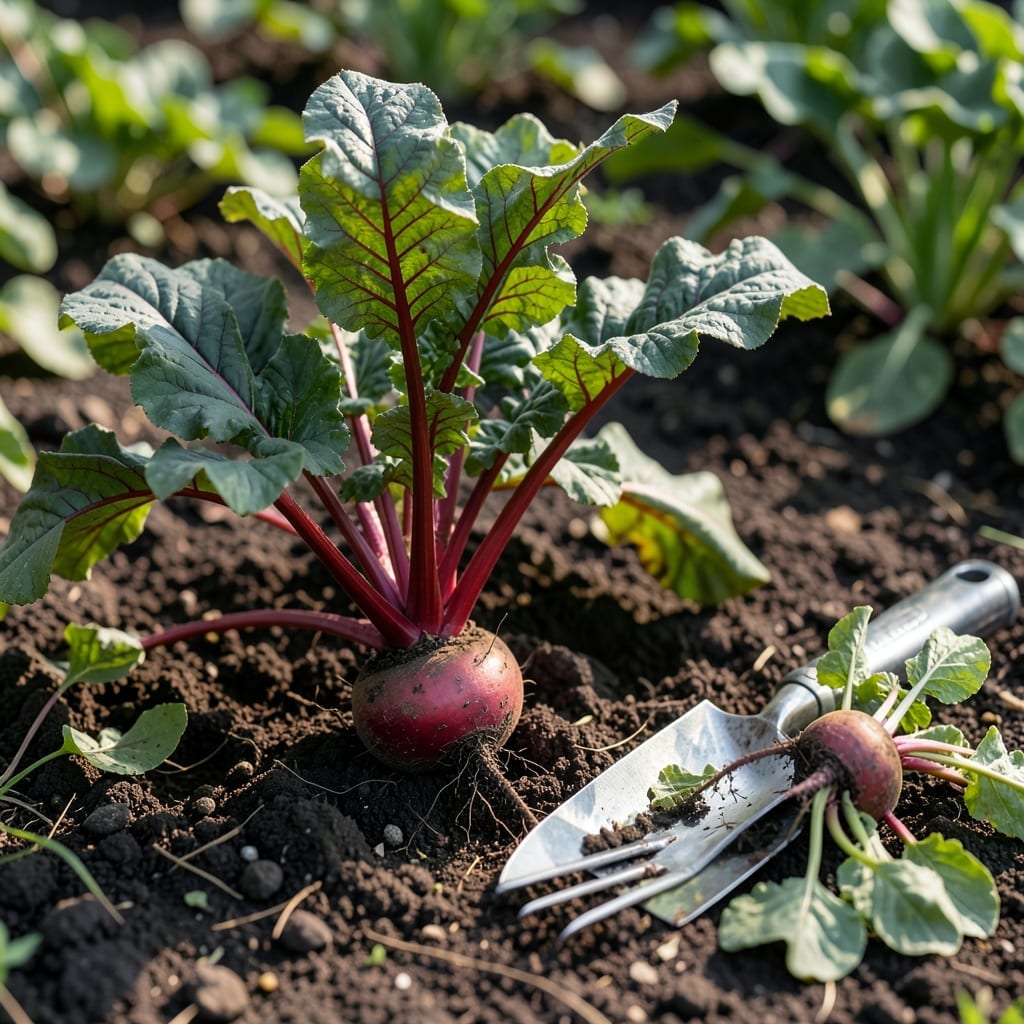
Knowing exactly when to pull beets can mean the difference between a sweet, tender harvest and a tough, woody disappointment. This guide reveals the telltale signs your 🥬 Beet is ready.
I’ve learned that timing is everything with these root vegetables. Pull too early, and you’ll miss out on full flavor. Wait too long, and they become bitter and stringy.
You’ll discover the most important visual cues to look for above and below the soil. These simple indicators will take the guesswork out of harvesting.
Learn how to gently pull your Beet plants without damaging the roots. With these tips, you’ll enjoy perfect beets every time.
I always watch for shoulder protrusion as the first sign my beets are ready. When the top of the root pushes above the soil line, it’s nature’s way of saying, “I’m almost there!” This typically happens when the root diameter reaches 1-3 inches. 🌱
The foliage size and color intensity also give clues. Healthy, lush green tops about 6-8 inches tall usually indicate mature roots below. The deeper the color of the leaves, the more developed the beet typically is.
| Sign | Description |
|---|---|
| Shoulder visibility | Top of beet showing 1/2 inch above soil |
| Root diameter | 1-3 inches for best flavor |
| Leaf size | 6-8 inches tall and vibrant |
| Color depth | Rich, deep hues in leaves and roots |
I’ve found that gentle pressure can confirm readiness. A mature beet will feel firm and solid when you press the exposed shoulder. If it gives slightly, it might need a few more days to reach its peak sweetness. ✂️
The growing days also matter. Most beet varieties reach maturity in 45-60 days after planting. I mark my calendar to start checking around day 45, especially for early varieties like ‘Detroit Dark Red’.
For baby beets, I look for 1-inch diameters. These smaller roots are incredibly tender and perfect for fresh eating. The harvest window for these is typically 30-40 days after planting.
I avoid waiting too long as overmature beets become woody and tough. When roots exceed 3 inches, they often lose their sweet flavor and develop a more fibrous texture. The shoulder area might also split if left too long. 🌿
Another pro tip: check the soil moisture before harvesting. I find beets pull most easily from slightly damp soil. Watering the day before harvest helps loosen the soil without making it muddy.
The time of day matters too. I always harvest in the early morning when temperatures are cooler. This helps preserve the beets’ freshness and crispness during storage.
Finally, I examine the skin texture. A ready beet will have smooth, unblemished skin. Any wrinkling or soft spots indicate the beet is either overmature or has been affected by inconsistent watering.
Timing your beet harvest depends on the variety you’re growing and your local conditions. Baby beets are ready in as little as 30 days, while storage beets may need 75 days or more.
I’ve found that soil temperature and sunlight exposure significantly impact maturity. Cooler climates slow growth, while warm, sunny spots speed it up. Always check your seed packet for specific guidance.
For early plantings, I recommend adding 2-3 weeks to the expected maturity time. Cooler spring soils slow root development. In contrast, summer-sown beets often mature faster in warm soil.
Your planting date also matters. Beets planted in early spring may take longer than those sown in late summer for a fall harvest. I always mark my planting dates to track progress.
The soil quality plays a crucial role too. Rich, loose soil promotes faster growth. If your soil is heavy or compacted, beets may develop more slowly and become misshapen.
Remember that consistent moisture is key. Beets in dry soil may mature more slowly and develop a woody texture. I water deeply 1-2 times per week, depending on rainfall.
Finally, trust your visual cues over the calendar. Even if the days to maturity have passed, if your beets haven’t shown the right signs, give them more time. Patience often leads to the sweetest harvest 🌱