
Beautiful Plants For Your Interior
Beautiful Plants For Your Interior
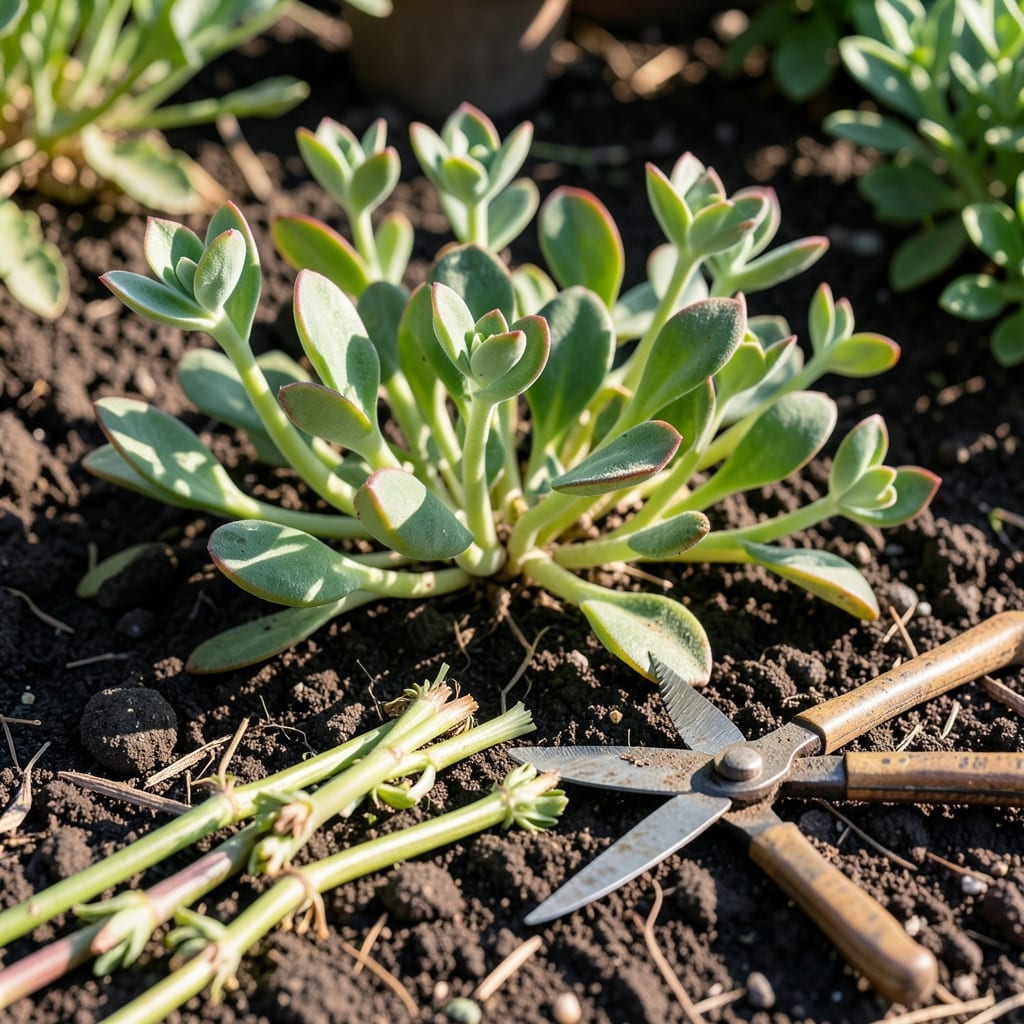
Pruning your 🌵 Sedum at the right time can transform your garden from struggling to thriving. This hardy perennial responds beautifully to timely care with vibrant growth and abundant blooms.
I’ve learned that timing is everything when it comes to Sedum. Prune too early or too late, and you might miss out on its full potential.
Discover the most effective seasons to prune and how this simple task can make a world of difference for your plants.
Timing your Sedum pruning correctly ensures vibrant blooms and healthy growth. I’ve found that early spring and late fall are the sweet spots for this hardy perennial.
Pruning in early spring removes winter damage and encourages fresh growth. In late fall, it helps prevent flopping and prepares the plant for dormancy.
| Season | Purpose | Best Months |
|---|---|---|
| Early Spring | Remove winter damage, promote new growth | March-April |
| Late Fall | Prevent flopping, prepare for winter | October-November |
Regional considerations matter too. In warmer climates (USDA zones 8-9), you can prune as early as February for spring growth.
For colder zones (4-6), wait until April when the frost risk has passed. This timing protects new growth from late frosts.
Late fall pruning should happen after blooming but before the first frost. This gives the plant time to recover before dormancy.
I always check the weather forecast before pruning in fall. A sudden cold snap can stress the plant if it’s freshly cut.
Avoid pruning in summer unless you’re deadheading spent blooms. Mid-season cuts can reduce flower production and stress the plant.
If your Sedum ‘Autumn Joy’ is getting too tall, prune it back by one-third in early summer to encourage a compacter shape.
Remember, sharp pruners are essential. Clean cuts heal faster and reduce disease risk. I always disinfect my tools with rubbing alcohol between plants.
By following these seasonal guidelines, your Sedum will reward you with stronger stems and more abundant blooms year after year. ✂️
Pruning Sedum correctly keeps it compact and bloom-heavy. I start by choosing the right day with dry weather and sharp bypass pruners for clean cuts. Always disinfect tools first to prevent disease spread.
For early spring pruning, I cut back old stems to about 3-4 inches above the ground. This removes winter damage and stimulates fresh growth. Late fall pruning follows the same height guideline.
I always prune Sedum ‘Autumn Joy’ in early June to prevent flopping. Cutting it back by one-third creates a bushier plant with stronger stems that won’t bend under heavy blooms.
For taller varieties, stake them after pruning if they’re still top-heavy. I use bamboo stakes or plant rings for support. This is especially important in windy locations where stems can break.
Post-pruning care is simple. Water the plant deeply after cutting to help it recover. Avoid fertilizing immediately after pruning, as this can stress the plant. Instead, wait 2-3 weeks before applying a balanced fertilizer.
If you’re pruning in late fall, resist the urge to cut too close to the ground. Leaving a few inches of stem protects the crown from winter moisture and provides some insulation against cold temperatures.
With these pro techniques, your Sedum will thrive with vibrant blooms and healthy growth year after year. ✂️