
Beautiful Plants For Your Interior
Beautiful Plants For Your Interior
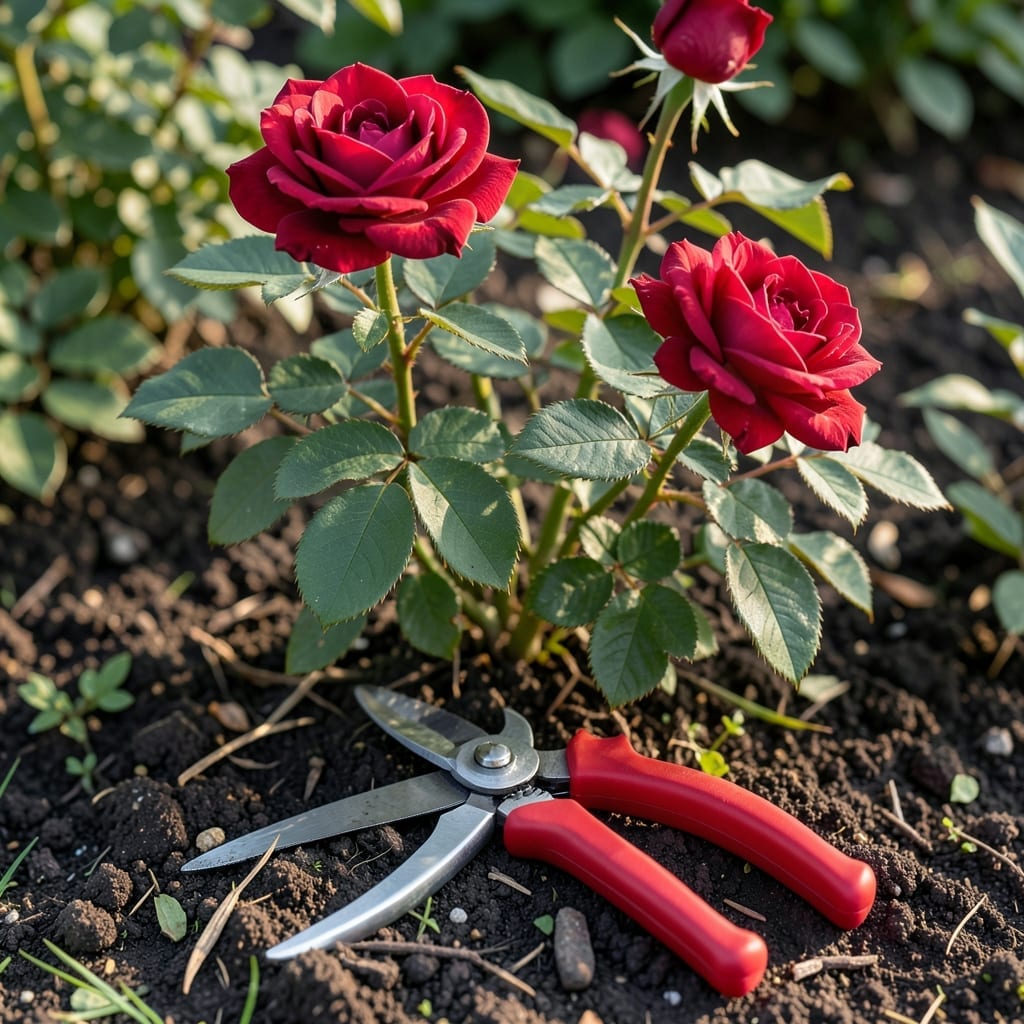
Timing your rose pruning in Colorado can mean the difference between vibrant blooms and a struggling 🌹 bush. Our state’s unique climate demands precise timing to protect your roses from late frosts and erratic weather.
With zones 5b-7a, you’ll want to watch for the first signs of spring. I’ll show you exactly when to make those crucial cuts for healthier plants and more abundant flowers.
Discover the simple seasonal cues that take the guesswork out of pruning. Your roses will thank you with their most spectacular display yet.
Colorado’s diverse growing zones (5b-7a) mean pruning timing varies. I’ve found the best window is just as new growth begins, typically when forsythia blooms in your area.
For most of Colorado, this falls between mid-March and early April. However, higher elevations in zone 5 may need to wait until late April to avoid frost damage.
| Growing Zone | Pruning Window | Key Indicator |
|---|---|---|
| Zone 5b | Late April | After last frost |
| Zone 6 | Mid-March to early April | Forsythia blooms |
| Zone 7a | Early March | First new growth |
In Denver (Zone 6), I recommend watching for swelling buds as your signal. This usually happens when daytime temperatures consistently reach 50°F or higher.
For hybrid teas and grandifloras, prune more aggressively. These varieties respond well to heavy pruning, which encourages vigorous new growth and larger blooms.
With climbing roses, timing is different. I prune these after their first bloom in summer, removing only dead or weak canes in early spring.
Shrub roses are more forgiving. I prune these in early spring as well, but I’m less aggressive, removing only about 1/3 of the plant to maintain shape.
Remember, Colorado’s erratic weather can throw off timing. If a late frost is forecasted after you’ve pruned, protect your roses with frost cloth or mulch.
Elevation plays a big role too. In higher areas, delay pruning by 2-3 weeks compared to lower elevations. This gives your roses extra protection against cold snaps.
For all rose types, always use clean, sharp tools. I make my cuts at a 45-degree angle, about 1/4 inch above an outward-facing bud to encourage healthy growth patterns.
After pruning, I apply a balanced fertilizer to give my roses a nutrient boost. This helps them recover and promotes vibrant blooms throughout the growing season ✂️
Pruning roses in Colorado requires careful preparation and precise timing. I always start by gathering my essentials: sharp bypass pruners, gloves, and a clean bucket for debris.
The first step is to remove dead wood and any diseased canes. Look for blackened, shriveled, or cracked stems. These won’t recover and can spread problems to healthy parts of the plant.
Next, I focus on opening the center of the rose bush. This improves air circulation, which is crucial in Colorado’s dry climate to prevent fungal issues.
For the actual cuts, I aim for a 45-degree angle about 1/4 inch above an outward-facing bud. This angle helps water run off and prevents rot while encouraging new growth in the right direction.
I’m careful not to remove more than 1/3 of the plant for most varieties. Hybrid teas can handle more aggressive pruning, but I’m gentler with old garden roses that bloom on old wood.
After pruning, I always sanitize my tools with rubbing alcohol. This simple step prevents the spread of diseases between plants. Then, I give my roses a deep watering and apply a balanced fertilizer to support new growth ✂️