
Beautiful Plants For Your Interior
Beautiful Plants For Your Interior
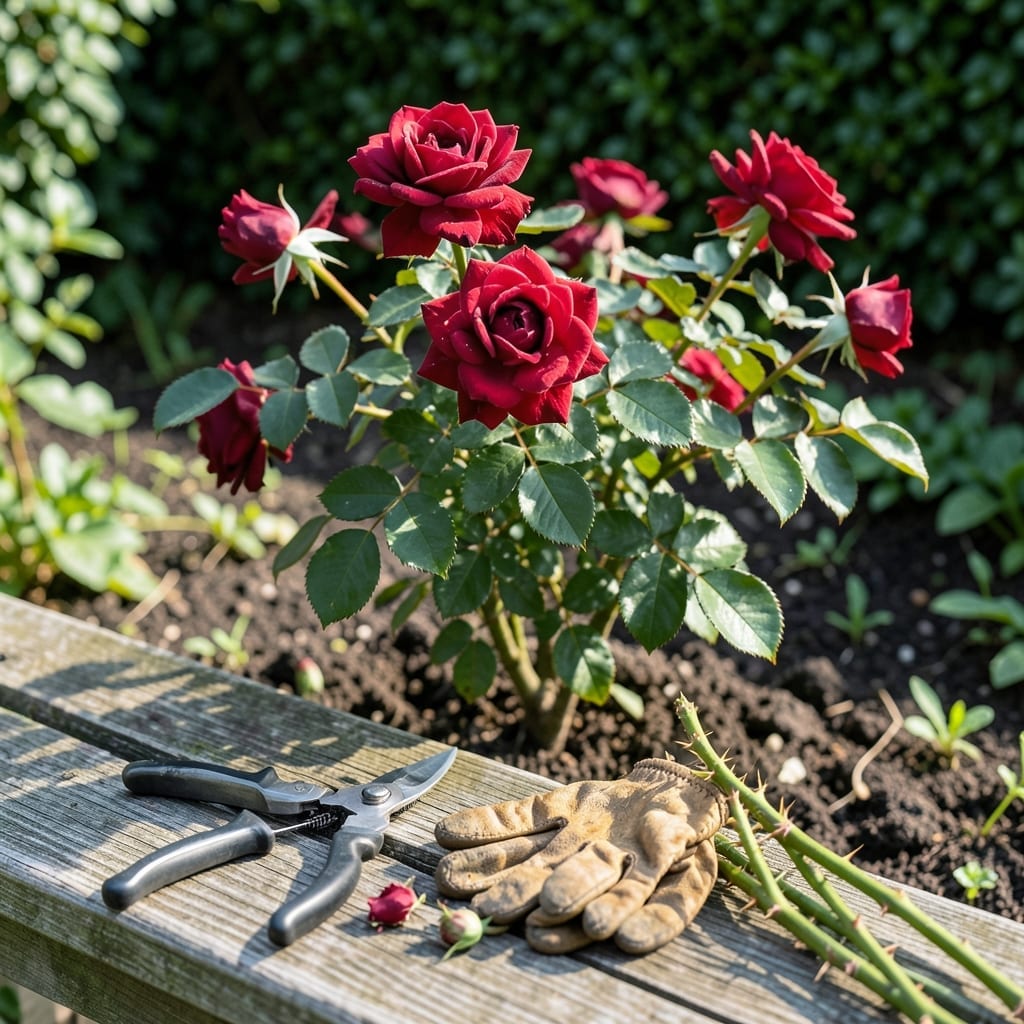
Pruning at the perfect moment can transform your 🌹 Rose bushes from struggling to spectacular. Timing is everything when it comes to encouraging healthy growth and abundant blooms.
I’ve learned through experience that even a few days can make a big difference. Whether you’re in zone 6 or another region, understanding your local climate is the key to success.
Let me show you exactly when to make those cuts and why it matters so much for your Roses’ future. You’ll be amazed at the difference proper timing makes.
Timing your pruning is crucial for healthy rose bushes and abundant blooms. The best window depends on your USDA zone and the rose variety you’re growing.
In most regions, late winter to early spring is ideal. For zone 6, that typically means March or April, right after the last frost date but before new growth appears.
| Rose Type | Best Pruning Time | Key Notes |
| Hybrid Teas | Early Spring | After last frost, before buds swell |
| Floribundas | Early Spring | Same as Hybrid Teas |
| Climbers | Late Winter | Prune after blooming in summer too |
| Old Garden Roses | After Blooming | Often once a year in summer |
For warmer climates like zone 9 or 10, you can prune as early as January or February. The key is to finish before new growth starts, which can be 4-6 weeks earlier than cooler zones.
If you’re growing climbing roses, remember they often bloom on old wood. Prune these right after their main bloom cycle, usually in summer, to avoid cutting off next year’s flowers.
In colder regions like zone 4 or 5, wait until all danger of frost has passed. I’ve seen April or even early May work best here. The goal is to prune when the worst winter weather is over.
For repeat-blooming roses, a light pruning after each major bloom cycle can encourage more flowers. This is especially true for modern varieties like hybrid teas and floribundas.
Always check your local frost dates as a guide. I recommend pruning 2-3 weeks after your average last frost date to be safe. This timing helps prevent cold damage to new growth.
Remember, sharp pruning shears are essential for clean cuts that heal quickly. I always sterilize my tools between plants to prevent disease spread. It’s a small step that makes a big difference.
If you’re unsure about your specific rose variety, observe its blooming pattern. Roses that bloom on new wood can be pruned in early spring, while those on old wood need post-bloom pruning ✂️
Pruning your rose bushes correctly makes all the difference in bloom quality and plant health. I always start with the right tools: sharp bypass pruners and long-handled loppers for thicker canes.
First, remove any dead or diseased wood by cutting back to healthy tissue. Look for blackened stems or cankers as clear signs of damage. This prevents disease from spreading to the rest of the plant.
Next, focus on opening the center of the bush. I remove about 1/3 of the oldest canes at the base to encourage new growth. This also improves airflow, which reduces fungal disease risks.
For hybrid teas and floribundas, I aim for 3-5 strong canes and prune them to 18-24 inches tall. Always make cuts 1/4 inch above an outward-facing bud to direct growth away from the center.
With climbing roses, prune lateral branches back to 2-3 buds from the main cane. Avoid cutting the main canes unless they’re damaged, as these produce the primary blooms.
Finally, always clean your tools with rubbing alcohol between plants. This simple step prevents disease transmission and keeps your rose bushes thriving for years to come ✂️