
Beautiful Plants For Your Interior
Beautiful Plants For Your Interior
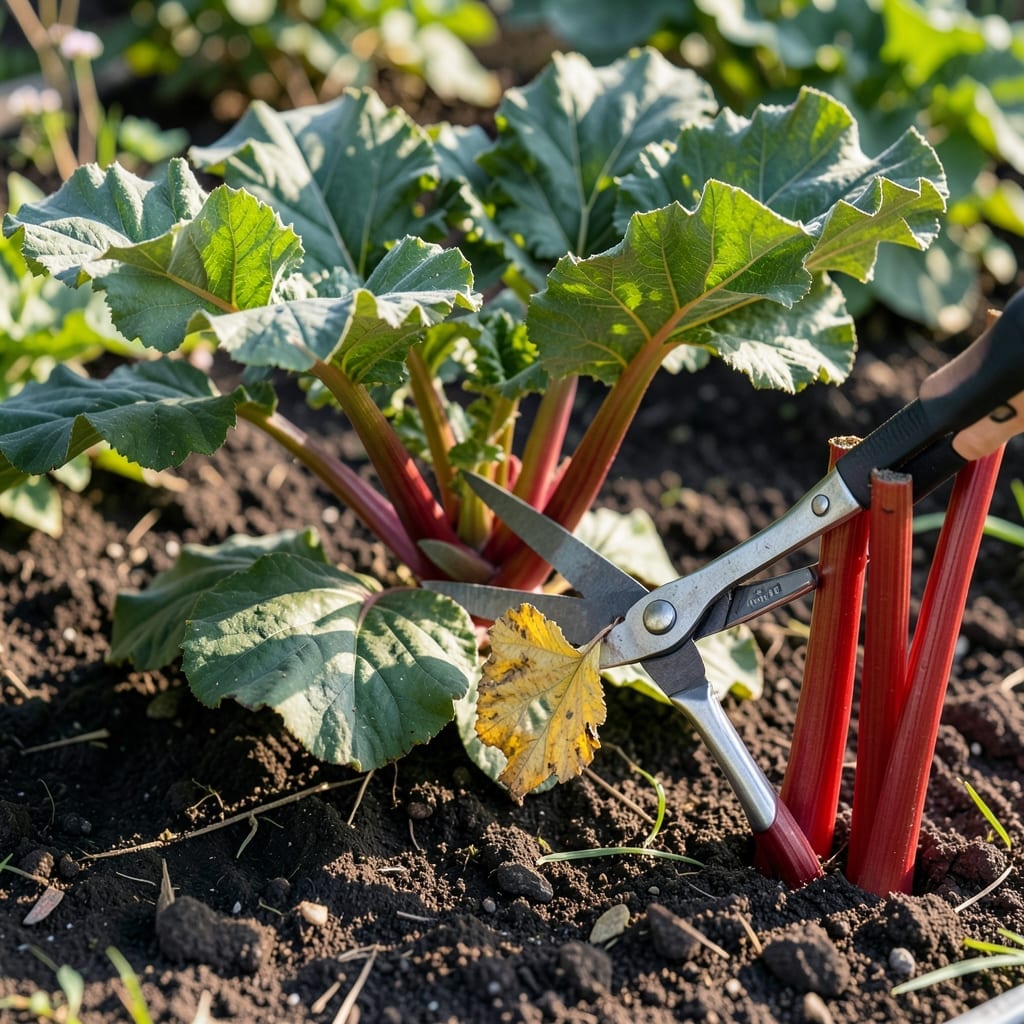
Knowing when to prune Rhubarb 🌱 can mean the difference between a thriving, productive plant and one that struggles. Timing is everything for this hardy perennial.
Pruning at the right moment boosts growth and yield, while doing it wrong can set your plant back. I’ve learned the best seasons to grab those shears without harming your harvest.
Let me walk you through the key windows for pruning and why they matter so much. Your rhubarb will thank you with stronger stalks and better flavor.
Timing your rhubarb pruning correctly ensures strong growth and a bountiful harvest. The best windows are early spring and late fall, when the plant is dormant or just waking up. ✂️
Avoid pruning during active growth in summer, as this can stress the plant and reduce stalk production. I’ve found that March to early April and September to November work best in most climates.
In early spring, I prune my rhubarb as soon as I see the first signs of new growth emerging from the soil. This is the perfect time to remove dead leaves and clear away debris from the previous season.
This cleanup helps prevent pests and diseases while allowing the plant to focus its energy on producing strong, healthy stalks. I always use clean, sharp shears to make clean cuts at the base. 🌱
Late fall pruning is equally important, especially in colder climates. After the first frost, I trim back the foliage to about 2 inches above the crown. This protects the plant from winter damage and pests.
It also makes it easier to mulch around the base with straw or leaves, which insulates the roots during freezing temperatures. I’ve noticed my rhubarb comes back stronger and earlier the next spring when I do this.
One thing I never do is prune during the summer months. The plant is actively growing and producing stalks, and pruning then can shock the system and reduce your harvest. If you must remove a stalk, do it cleanly at the base.
Also, avoid pruning if the plant is stressed from drought or extreme heat. Wait until conditions improve. This simple timing can make a huge difference in your plant’s health and productivity. ☀️
Finally, remember that young rhubarb plants shouldn’t be pruned heavily in their first year. Focus on removing dead or damaged leaves only, allowing the plant to establish a strong root system.
Proper rhubarb pruning starts with the right tools. I always use sharp bypass pruners or garden shears for clean cuts that won’t damage the plant. Early spring is my favorite time to shape my rhubarb patch. ✂️
As new growth appears, I carefully remove any dead or damaged leaves from the previous season. This allows the plant to direct energy toward producing healthy new stalks rather than supporting old growth.
For fall pruning, I wait until after the first frost when the leaves start to die back naturally. Using my shears, I cut the foliage down to about 2 inches above the crown.
This helps prevent pest infestations and disease spread over winter. I then add a thick layer of mulch around the base to protect the roots from freezing temperatures.
Never prune more than one-third of the plant at once, as this can stress the rhubarb. Focus on removing only what’s necessary for plant health and productivity.