
Beautiful Plants For Your Interior
Beautiful Plants For Your Interior
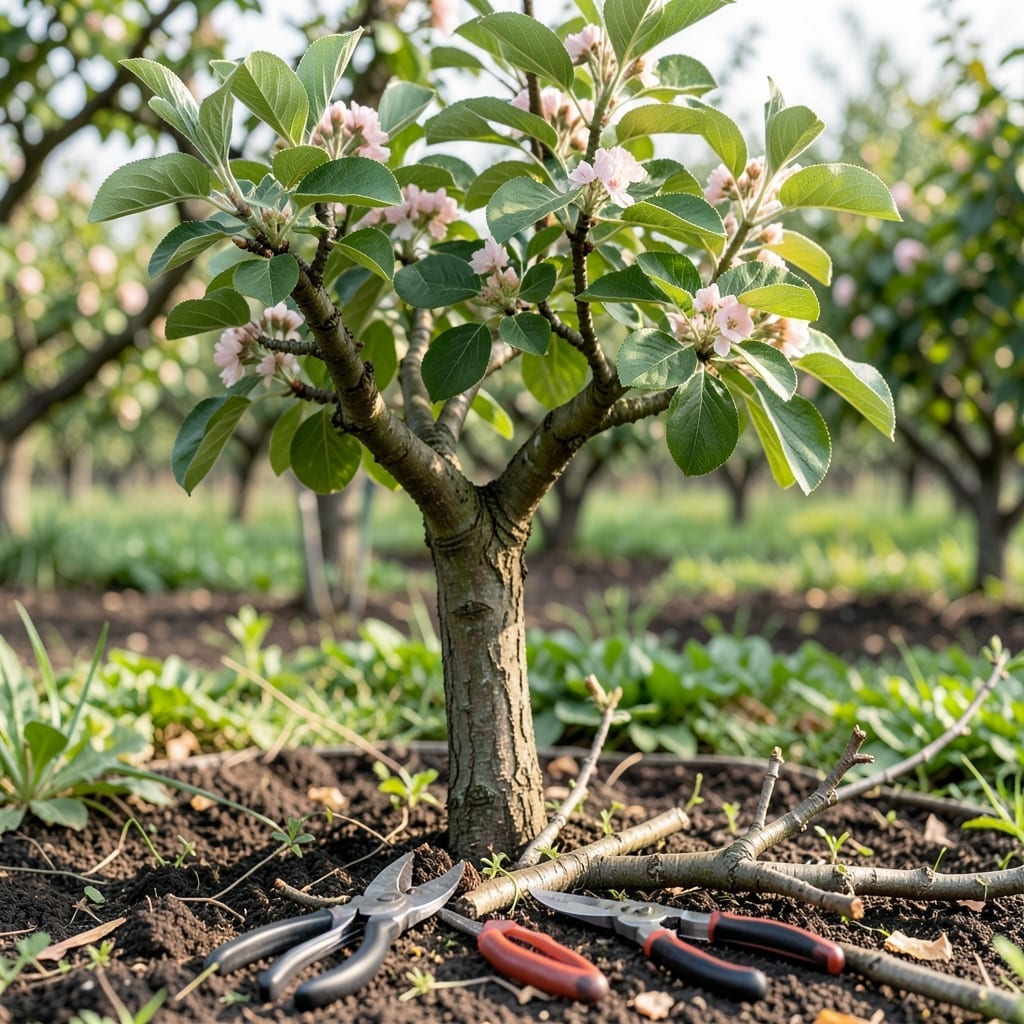
Pruning your 🍎 Quince tree at the right time is the secret to bountiful harvests and vibrant growth. Get the timing wrong, and you risk stunted fruit production or even damaging the tree.
I’ve learned that timing is everything when it comes to maintaining healthy Quince trees. The difference between a thriving tree and one that struggles often comes down to when you pick up those pruners.
Discover how a simple seasonal adjustment can transform your Quince tree’s productivity. The right approach can mean more fruit and less hassle in the long run.
Let me walk you through the best practices that will help your Quince thrive year after year. You’ll be amazed at what a difference proper timing makes.
I’ve found that timing your quince tree pruning in late winter or early spring yields the best results. This window, just before new growth starts, allows the tree to heal quickly while avoiding stress during active growth. ✂️
In my experience, pruning before buds swell prevents removing potential fruit-bearing wood. The tree is still dormant enough to handle cuts but ready to channel energy into new growth. This timing also reduces the risk of disease entering through fresh wounds. 🌳
| Stage | Action | Timing |
|---|---|---|
| Dormant Season | Remove dead wood | Late winter |
| Pre-Bud Break | Shape the tree | Early spring |
| Post-Harvest | Light pruning only | After harvest |
For gardeners in colder climates (USDA zones 5-6), I recommend waiting until the worst frost has passed. This prevents cold damage to freshly pruned areas. In milder zones (7-9), you can start pruning as early as February. ☀️
I always check for frost warnings before pruning. Even in warmer zones, a surprise cold snap can harm exposed wood. The ideal temperature range for pruning is 40-60°F. This ensures the tree isn’t stressed by heat or cold. 🌡️
One trick I use is to watch for swelling buds. When they start to plump up but haven’t opened yet, that’s your signal. This usually happens in March or April for most regions. Pruning at this stage encourages vigorous new growth. 🌱
For established trees, I focus on removing about 20-30% of the oldest wood each year. This rejuvenates the tree while maintaining fruit production. Younger trees need lighter pruning, just enough to shape them. ✂️
I’ve noticed that trees pruned at the right time produce larger, sweeter fruit. The improved air circulation from proper pruning also reduces disease risk. This is especially important for quince, which can be susceptible to fungal issues. 🌿
After pruning, I always apply a thin layer of mulch around the base. This helps retain moisture and protects the roots from temperature fluctuations. Just be sure to keep the mulch a few inches away from the trunk. 💧
Pruning your quince tree correctly ensures healthy growth and abundant fruit. I always start by selecting the right tools: sharp bypass pruners and loppers for thicker branches. Clean cuts prevent disease and stress.
Begin by removing dead or diseased wood first, as this can harbor pests. Next, focus on crossing branches that rub against each other, which can cause wounds. These steps keep the tree’s structure strong and productive.
When shaping the tree, aim for an open center to improve air circulation. This reduces the risk of fungal diseases and ensures sunlight reaches all parts of the tree. I find this method particularly effective for quince varieties.
Always make cuts just above a healthy outward-facing bud. This encourages new growth in the right direction and helps maintain the tree’s natural shape. Avoid leaving stubs, as they can invite pests and decay.
After pruning, clean up all debris around the tree. This removes potential hiding spots for pests and diseases. I also recommend applying a thin layer of mulch to protect the roots and retain moisture.
Finally, step back and admire your work. Proper pruning not only keeps your quince tree healthy but also sets the stage for a bountiful harvest in the coming season ✂️