
Beautiful Plants For Your Interior
Beautiful Plants For Your Interior
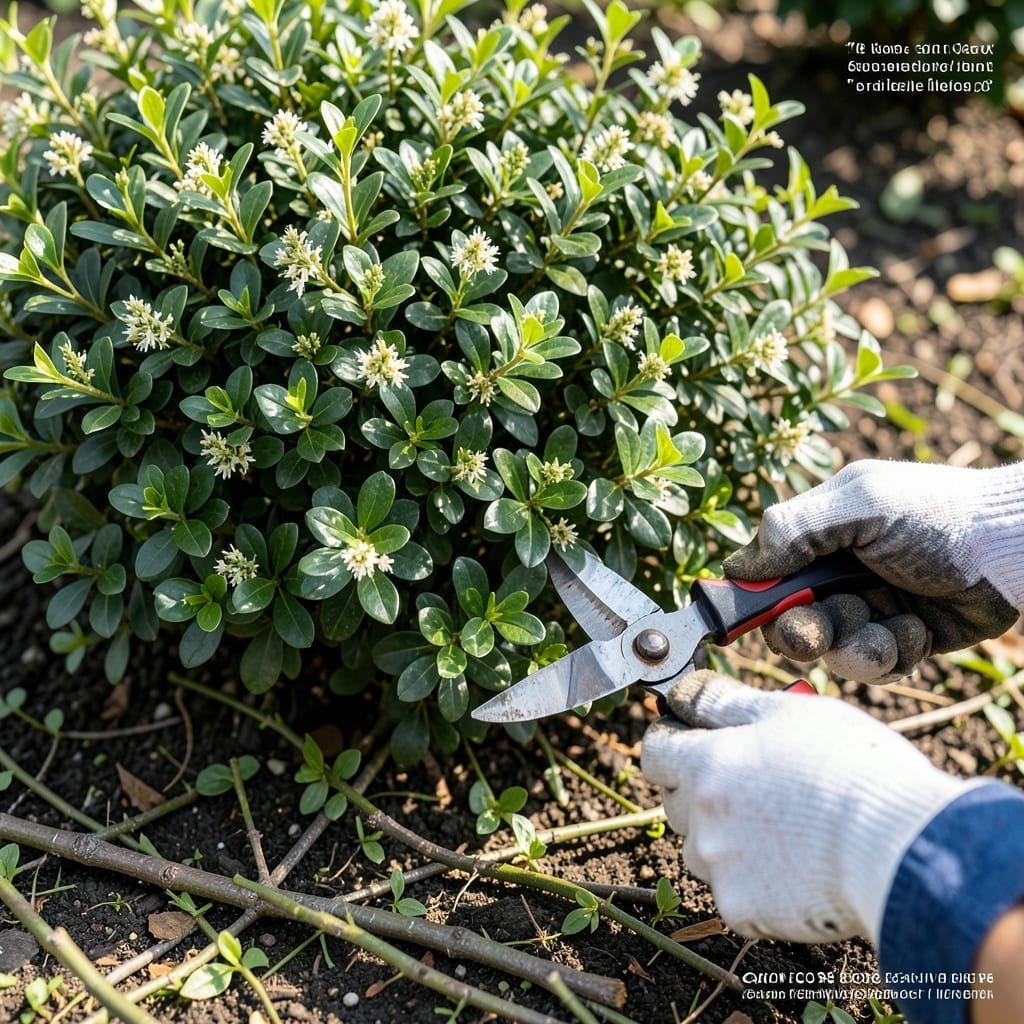
Pruning privet at the right time ensures lush, healthy growth and prevents common problems. Timing is everything—do it wrong, and you risk stunting your 🌿 Privet or leaving it vulnerable to disease.
I’ve learned through experience that timing makes all the difference. Whether you’re in USDA zones 4-8 or just starting out, knowing when to prune can transform your shrub.
Discover the seasonal schedule that keeps your Privet thriving year after year. Let me walk you through the best approach for vibrant, robust growth.
Getting the timing right is critical for healthy privet growth. I’ve found that early spring just before new growth starts is ideal for most regions. This gives your shrub time to recover and flush out fresh foliage. ✂️
For those in warmer USDA zones 7-8, a second light pruning in late summer after flowering can help maintain shape. Avoid pruning in fall as it may stimulate tender growth before winter. 🌿
| Season | Best Time to Prune | Purpose |
|---|---|---|
| Early Spring | March – April | Shape and invigorate growth |
| Late Summer | After flowering | Maintain shape and density |
| Fall/Winter | Avoid | Prevents cold damage |
In cooler zones 4-6, stick to one pruning in early spring. Privet is tough, but pruning too late can leave it vulnerable to winter dieback. Always check your local frost dates as a guide. 🌱
I recommend pruning on a dry day to reduce disease risk. Wet conditions can spread fungal spores, especially if you’re cutting into older wood. Early morning is ideal as it allows cuts to dry during the day.
For formal hedges, you might need to prune more frequently. I’ve seen gardeners in mild climates do light trims every 6-8 weeks during growing season. Just avoid removing more than 1/3 of growth at once.
The growth cycle of privet is key. Pruning in early spring encourages bushier growth. Late summer pruning helps maintain the shape you’ve worked hard to establish through the growing season.
If your privet is flowering, wait until after the blooms fade for summer pruning. This ensures you don’t cut off the next season’s buds. Non-flowering varieties can be pruned more flexibly.
Remember that young privet needs less pruning. Focus on establishing a good shape in the first 2-3 years. Mature shrubs can handle more aggressive pruning but always leave some green growth.
Regional microclimates matter too. If you’re in a windy area, prune a bit later in spring to avoid frost damage to new growth. Urban areas with heat islands might allow for slightly earlier pruning. ✂️
Proper pruning starts with the right tools. I always use sharp bypass pruners for clean cuts and hedge shears for shaping. Dull blades can tear bark, inviting disease and slowing recovery. ✂️
Before making any cuts, I inspect the shrub for dead or diseased branches. These should be removed first, cutting back to healthy wood. This prevents the spread of problems to the rest of the plant. 🌿
When shaping, I follow the 1/3 rule—never remove more than one-third of growth in a single session. This prevents shocking the plant and ensures steady regrowth. Always step back frequently to check your progress.
For formal hedges, I use a guide string to maintain straight lines. Start at the bottom and work upward, slightly angling the shears to allow sunlight to reach lower branches. This technique promotes even growth throughout.
After pruning, I water deeply to help the shrub recover. A layer of mulch around the base conserves moisture and protects roots. Avoid fertilizing immediately after pruning, as it can stress the plant.
Finally, I monitor for pests or disease in the weeks following pruning. Privet is generally hardy, but stressed plants can attract aphids or develop fungal issues. Regular checks ensure early intervention if problems arise. 🌱