
Beautiful Plants For Your Interior
Beautiful Plants For Your Interior
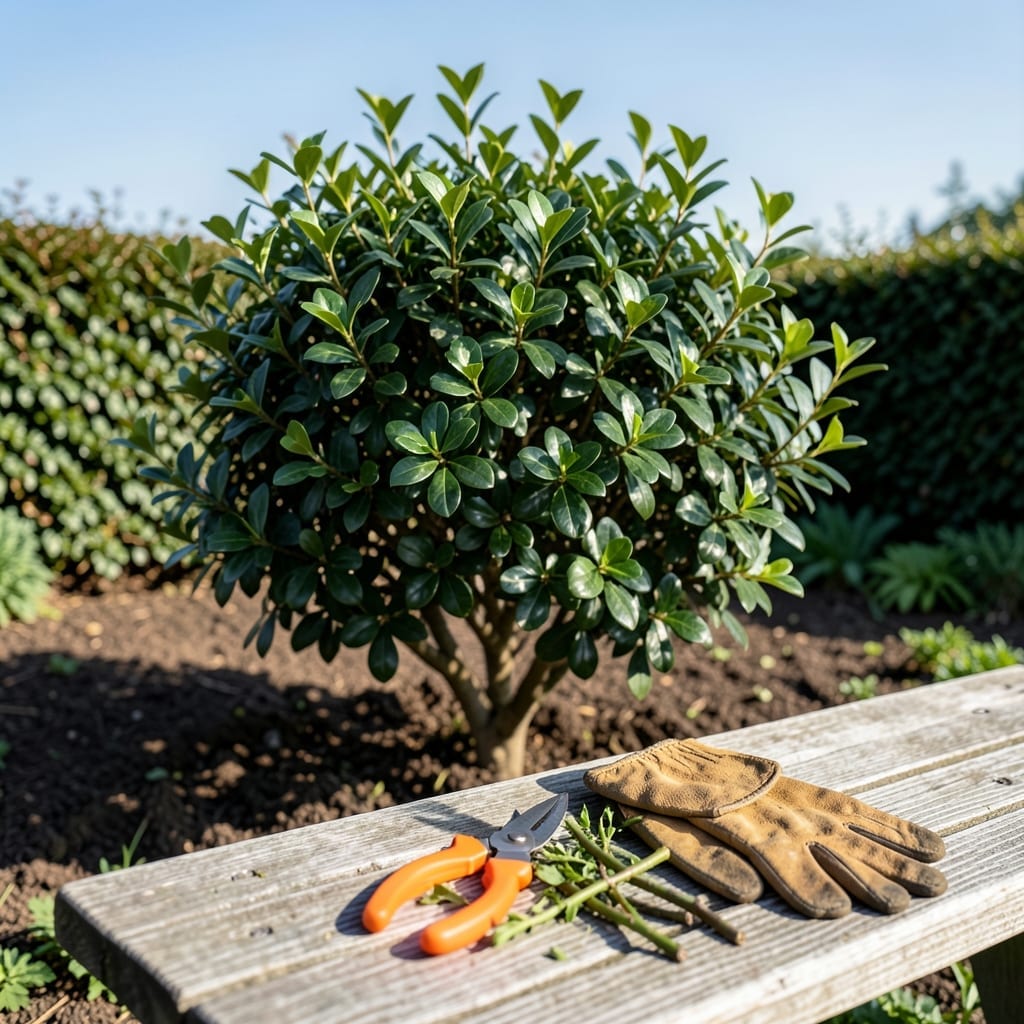
Pruning your 🌿 Privet at the right time can mean the difference between a thriving shrub and one that struggles. I learned this the hard way after years of trial and error in my own garden.
Timing isn’t just important – it’s the key to healthy growth and vibrant blooms. Whether you’re shaping your Privet or controlling its size, knowing when to make those cuts matters.
Discover how to get it right the first time with this simple seasonal guide. Your plants will thank you.
Timing your ligustrum pruning correctly can transform your garden. I’ve found that late winter to early spring is ideal for most regions, just before new growth starts.
This window allows the plant to recover quickly while avoiding the stress of extreme temperatures. It also gives you a head start on shaping before the growing season kicks in. ✂️
| Season | Best Time | Purpose |
| Late Winter | February | Remove dead wood |
| Early Spring | March-April | Shape and thin |
| Post-Bloom | May-June | Control growth |
| Late Summer | August | Light trimming |
If your ligustrum blooms in spring, wait until after the flowers fade to prune. This ensures you don’t cut off potential blooms and gives the plant time to set next year’s buds.
In warmer climates, you might get away with a second light pruning in late summer, but avoid heavy cuts then as it can stimulate tender new growth before winter.
For formal hedges, I recommend pruning 2-3 times during the growing season to maintain crisp edges. Just
If you live in colder zones (USDA 5-6), stick to early spring only. Late pruning can leave your ligustrum vulnerable to winter damage. 🌡️
Always check your local frost dates and adjust accordingly. A quick call to your extension office can provide region-specific advice that’s invaluable.
Remember that over-pruning at any time can stress the plant. Never remove more than one-third of the foliage in a single session, no matter the season.
With the right timing, your ligustrum will reward you with vigorous growth and that classic, manicured look we all love in our gardens. 🌿
Pruning ligustrum doesn’t have to be intimidating. I start by gathering the right tools: sharp bypass pruners, loppers for thicker branches, and gloves to protect my hands.
First, I inspect the shrub for dead or diseased wood, which should be removed immediately regardless of season. This keeps the plant healthy and prevents the spread of issues. ✂️
Pro Tip: Always disinfect your pruning tools with rubbing alcohol between cuts to prevent disease transmission.
For shaping, I follow the one-third rule: never remove more than 30% of the plant in a single pruning session. This prevents shock and encourages strong regrowth.
I make clean cuts at a 45-degree angle just above a leaf node or branching point. This helps the plant heal faster and reduces the risk of water pooling on the cut surface.
When pruning a ligustrum hedge, I use the string-line method to maintain a straight edge. This involves tying a string between two stakes at the desired height and using it as a guide.
Finally, I always mulch around the base after pruning to help retain moisture and protect the roots. This simple step makes a big difference in recovery time. 🌿