
Beautiful Plants For Your Interior
Beautiful Plants For Your Interior
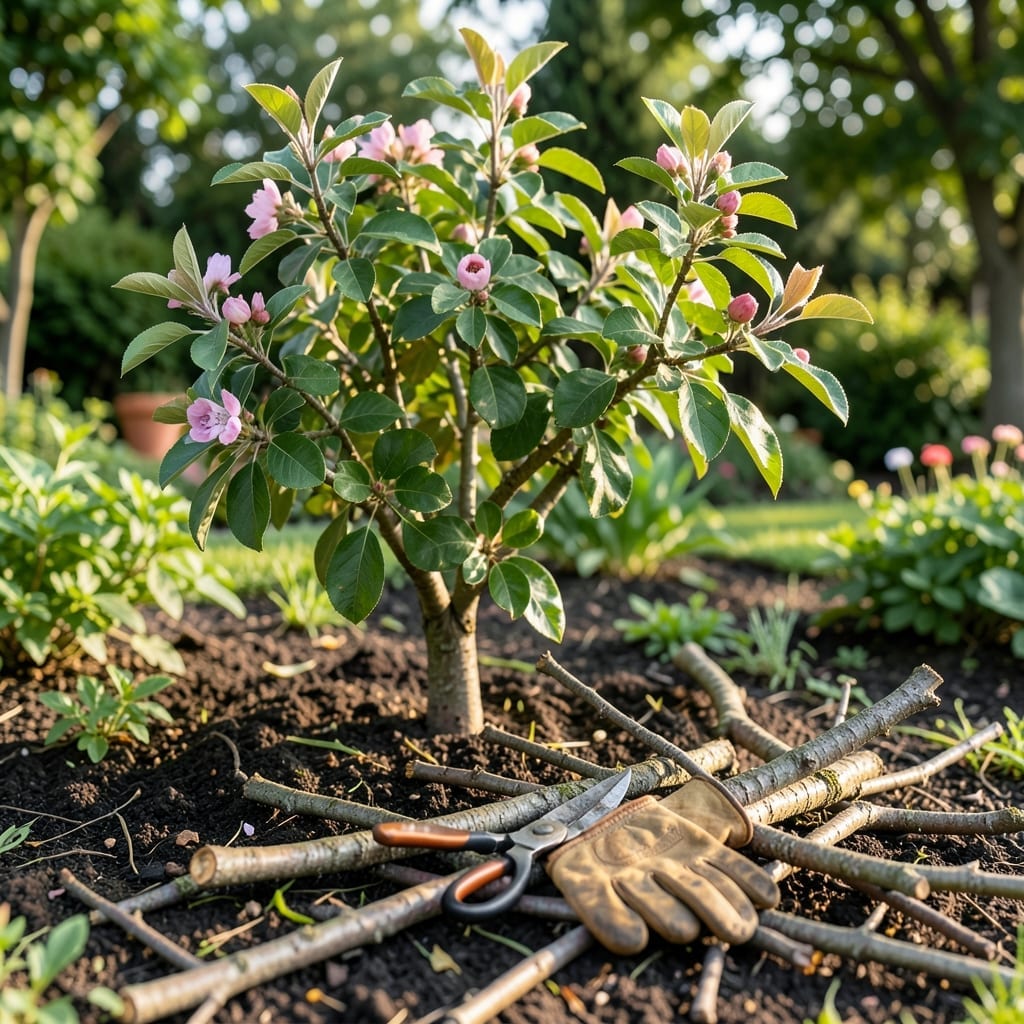
Pruning your Japanese Quince 🌸 at the right time can mean the difference between a lackluster shrub and a vibrant display of spring blooms. This guide reveals the optimal timing and techniques to ensure healthy growth.
I’ve learned that timing is the key when it comes to pruning this beautiful shrub. Do it too early or too late, and you might sacrifice next year’s flowers. Let me share what works best for zones 5-9.
You’ll discover how to work with the plant’s natural growth cycle rather than against it. The results will speak for themselves when your Japanese Quince bursts into color each spring.
Whether you’re new to gardening or have years of experience, these insights will help you achieve more vibrant blooms with less effort. Let’s get started on the path to a healthier, happier shrub.
I’ve found that Japanese quince thrives when pruned at the right seasonal moment. This shrub blooms on old wood, meaning its flowers form on growth from the previous year. Pruning at the wrong time can accidentally remove next year’s blooms.
For the best results, I always prune my Japanese quince immediately after flowering, typically in late spring. This timing allows the plant to set buds for the following year while still giving it time to recover and grow.
| Stage | Action | Timing |
|---|---|---|
| Post-Bloom | Light pruning | Late spring |
| Shape Maintenance | Thin out crowded branches | Early summer |
| Dead Wood Removal | Cut back dead/diseased wood | Any season |
In warmer climates like USDA zones 8-9, I’ve noticed the blooming period may finish earlier. Here, pruning in early May works well. For cooler zones 5-7, late May to early June is often ideal, after the last frost has passed.
If you miss the post-bloom window, avoid pruning in late summer or fall. This can stimulate new growth that won’t have time to harden off before winter, leaving the plant vulnerable to cold damage.
I’ve learned that heavy pruning should be reserved for early spring only if the shrub is overgrown. Even then, I limit it to removing no more than one-third of the oldest stems to avoid stressing the plant.
For young Japanese quince shrubs, I focus on light shaping in the first few years. This encourages a strong structure without sacrificing too many potential blooms. It’s amazing how a little strategic pruning can enhance both health and appearance.
Remember that consistent annual pruning is better than occasional drastic cuts. This approach maintains the shrub’s natural shape while promoting vigorous growth and abundant flowering each year.
I always keep my pruning tools clean and sharp to make clean cuts that heal quickly. This simple practice prevents disease and helps the Japanese quince recover faster after pruning.
By following these timing guidelines, I’ve seen my Japanese quince produce more vibrant blooms each spring. It’s satisfying to watch the shrub thrive with just a little careful attention to when and how I prune ✂️
I always start by gathering the right tools for pruning Japanese quince. You’ll need sharp bypass pruners for clean cuts, lopping shears for thicker branches, and gardening gloves to protect your hands from thorns. Safety first!
Before making any cuts, I inspect the shrub for dead or diseased wood, which should be removed first. This prevents the spread of issues and opens up the plant for better airflow and sunlight penetration.
I focus on thinning cuts to remove entire branches at their base, which helps maintain the shrub’s natural shape. Heading cuts are used sparingly to shorten branches and encourage bushier growth.
For the best results, I aim to maintain an open center in the shrub. This allows sunlight to reach all parts of the plant, promoting even flowering and reducing the risk of fungal diseases.
After pruning, I always clean up debris around the base to prevent pests and diseases. A quick watering session helps the plant recover from the stress of pruning.
Remember, Japanese quince blooms on old wood, so pruning at the wrong time can sacrifice next year’s flowers. Stick to the post-flowering window for the best results ✂️