
Beautiful Plants For Your Interior
Beautiful Plants For Your Interior
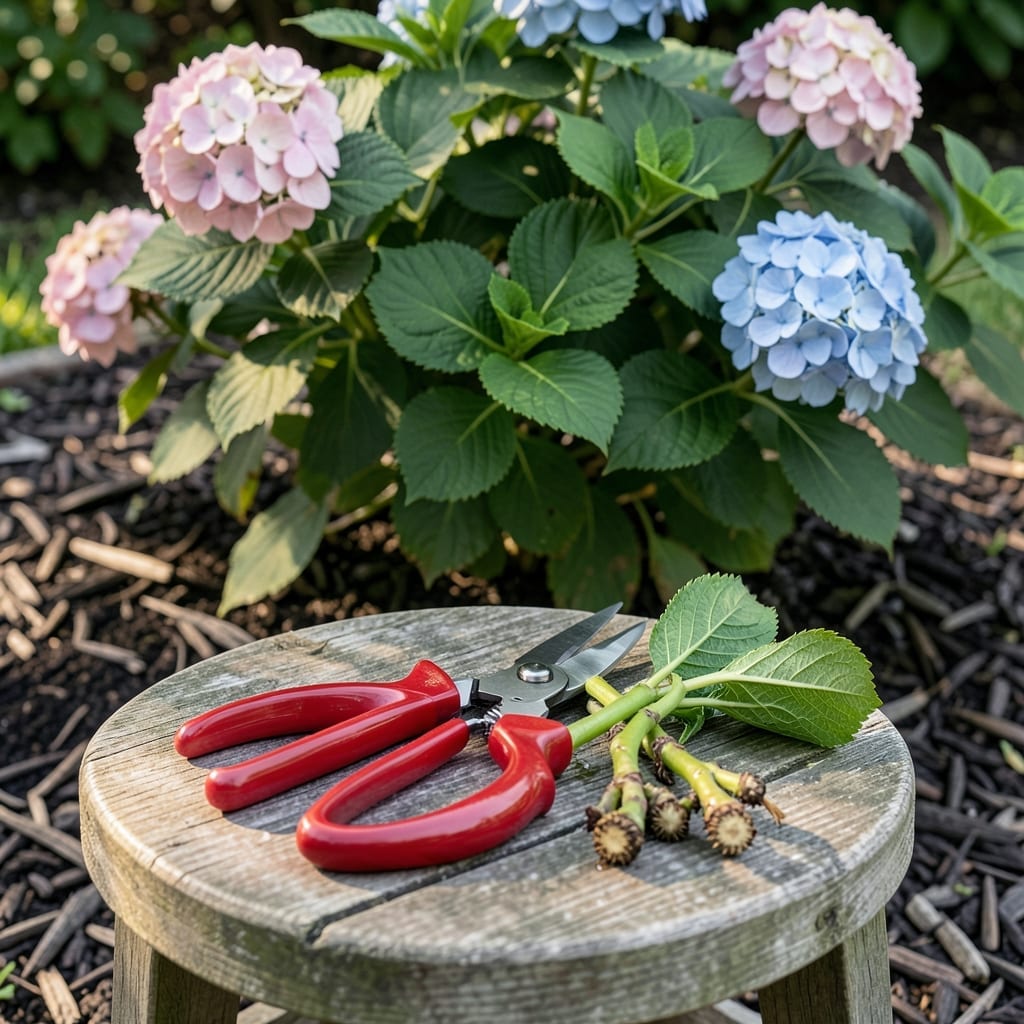
Pruning hydrangeas at the wrong time can cost you a season of blooms. In Massachusetts, timing is everything to ensure vibrant, healthy growth.
The 🌸 Hydrangea thrives in our 6a climate, but each variety has its own pruning schedule. What works for panicle hydrangeas won’t work for bigleaf types.
I’ll walk you through the exact windows for each kind so you never accidentally cut off next year’s flowers. It’s simpler than you think once you know the rules.
Discover how to keep your hydrangeas flourishing with these Massachusetts-specific tips. Your garden will thank you.
In Massachusetts, knowing when to prune hydrangeas depends on the variety. Our USDA zones 5-7 mean timing varies for bigleaf, panicle, oakleaf, and smooth hydrangeas. Each type blooms on different wood, so timing is critical.
I’ve found that old-wood bloomers like bigleaf hydrangeas need pruning right after flowering in summer. Meanwhile, new-wood varieties such as panicle hydrangeas can be pruned in late winter or early spring.
| Variety | Blooms On | Best Pruning Time |
|---|---|---|
| Bigleaf | Old Wood | After flowering (July-August) |
| Panicle | New Wood | Late winter (Feb-March) |
| Oakleaf | Old Wood | After blooming (June-July) |
| Smooth | New Wood | Early spring (March-April) |
For bigleaf hydrangeas in Massachusetts, I recommend pruning immediately after the summer blooms fade. This gives the plant time to develop next year’s flower buds before winter dormancy.
Panicle hydrangeas are more forgiving. I prune mine in late February or early March, just before new growth starts. This ensures I don’t accidentally remove potential bloom sites.
The oakleaf hydrangea is similar to bigleaf. I wait until after its white blooms have finished in early summer. This variety is particularly sensitive to improper timing.
For smooth hydrangeas like Annabelle, early spring pruning works best. I typically do this in March before the new shoots emerge. This gives the plant a full growing season to develop strong stems and large blooms.
Remember, Massachusetts weather can be unpredictable. If we have a late frost, I delay pruning new-wood varieties until the danger of frost has passed. This protects the emerging buds from cold damage.
I always use sharp bypass pruners for clean cuts. This helps prevent disease and promotes faster healing. Also, I remove dead or diseased wood anytime I see it, regardless of the season.
By following these variety-specific schedules, I’ve maintained healthy, blooming hydrangeas year after year in my Massachusetts garden. The key is understanding which wood your hydrangea blooms on and timing your pruning accordingly. ✂️
Pruning hydrangeas in Massachusetts requires knowing whether your plant blooms on old wood or new wood. This determines when you can safely trim without sacrificing next year’s flowers.
I always start by identifying the variety. Bigleaf and oakleaf hydrangeas bloom on old wood, so they need pruning right after flowering. Panicle and smooth types bloom on new wood, making late winter the ideal time. ✂️
For old-wood bloomers, I wait until just after the flowers fade in summer. This gives the plant time to develop next year’s buds before cold weather arrives.
With new-wood varieties, I prune in late February to early March, before spring growth starts. This timing works perfectly with our zone 6a climate.
Always make cuts just above a bud node at a 45-degree angle. This helps water run off and prevents rot. Remove about 1/3 of the oldest stems each year to rejuvenate the plant.
Remember, less is more with hydrangeas. Over-pruning can stress the plant and reduce blooms. When in doubt, prune conservatively and observe how your plant responds. 🌸