
Beautiful Plants For Your Interior
Beautiful Plants For Your Interior
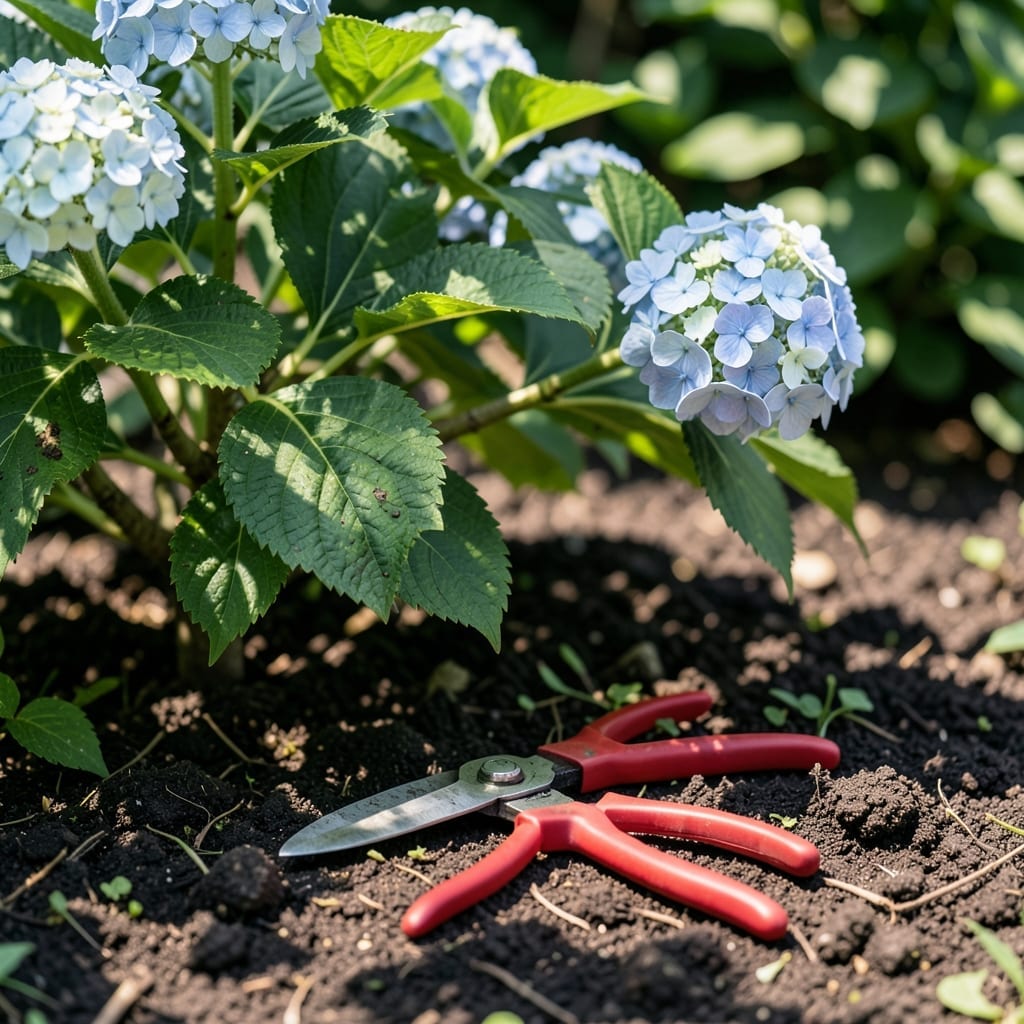
Pruning your 🌸 Hydrangea at the wrong time can cost you a season of blooms. In Georgia’s climate, timing is everything for these beautiful shrubs.
I’ve seen too many gardeners accidentally cut away next year’s flowers by pruning at the wrong moment. The good news is that getting it right is simpler than you think.
Discover the exact windows for pruning different Hydrangea varieties in our state. Whether you have bigleaf, panicle, or oakleaf types, there’s a perfect time to make your cuts.
Let me walk you through the seasonal secrets that will keep your Hydrangeas thriving and blooming abundantly in zones 7b-8a.
Timing your hydrangea pruning in Georgia’s USDA zones 7-8 is crucial for vibrant blooms. The state’s mild winters and hot summers affect each variety differently, so knowing your shrub’s type is key to success. ✂️
Georgia’s climate means bigleaf hydrangeas and oakleaf hydrangeas bloom on old wood, while panicle and smooth hydrangeas flower on new wood. This distinction dictates when to prune for maximum impact. 🌿
| Variety | Bloom Wood Type | Pruning Time in Georgia |
|---|---|---|
| Bigleaf | Old Wood | After blooming (July-August) |
| Oakleaf | Old Wood | After blooming (July-August) |
| Panicle | New Wood | Late winter (February-March) |
| Smooth | New Wood | Late winter (February-March) |
For bigleaf hydrangeas, pruning too late in the season can remove next year’s flower buds. I always mark my calendar to prune these right after their summer blooms fade, giving them time to set new buds. 🌱
Oakleaf hydrangeas follow the same rule as bigleaf varieties. Since they bloom on old wood, pruning in late summer ensures you won’t accidentally cut off developing buds for the next season.
Panicle hydrangeas, like the popular Limelight, are forgiving. You can prune them in late winter while they’re still dormant. This encourages strong new growth that will produce flowers the same year.
Smooth hydrangeas, including Annabelle, also bloom on new wood. I prune mine in February or early March to shape them and remove any dead or weak stems before spring growth starts.
Georgia’s last frost date is typically around April 15. For new-wood bloomers, pruning before this date reduces the risk of frost damage to tender new shoots that will carry your flowers.
If you’re unsure about your hydrangea variety, observe its blooming pattern. Old wood varieties often have buds visible in late summer, while new wood types remain bare until spring.
Always use clean, sharp pruners to make precise cuts. This minimizes stress on the plant and helps prevent disease. I keep a small container of rubbing alcohol handy to sterilize my tools between cuts. ✂️
Pruning hydrangeas in Georgia’s climate requires timing and precision. I always start by identifying the variety, as each type has unique needs. For bigleaf hydrangeas, prune right after blooming to avoid cutting off next year’s flowers.
For panicle hydrangeas, late winter is ideal, just before new growth begins. This ensures you’re not removing potential blooms. Oakleaf varieties thrive with minimal pruning, but if needed, do it in early spring before buds swell.
I recommend using clean, sharp tools to prevent disease. Always cut at a 45-degree angle just above a leaf node. This helps the plant heal faster and reduces the risk of infection.
In Georgia, our humid summers can lead to fungal issues, so pruning for air circulation is key. Thin out crowded branches in the center of the shrub to improve airflow and sunlight penetration.
Remember, smooth hydrangeas bloom on new wood, so they can be pruned back hard in late winter. This encourages vigorous new growth and larger blooms come summer.
Finally, always mulch after pruning to protect the roots and retain moisture. This is especially important in Georgia’s fluctuating temperatures. ✂️