
Beautiful Plants For Your Interior
Beautiful Plants For Your Interior
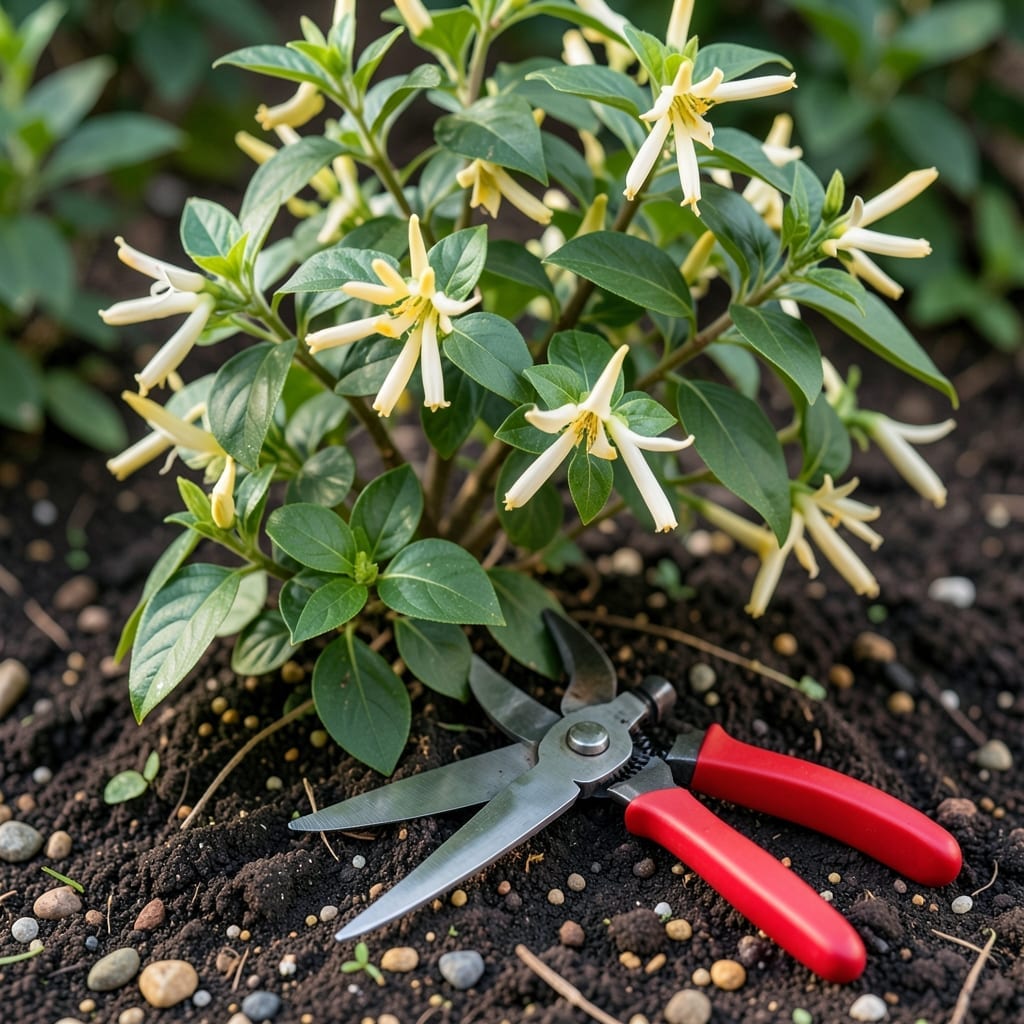
Pruning honeysuckle at the wrong time can mean a season without those beautiful 🌸 blooms you love. I’ve seen gardeners make this mistake too many times, and it’s heartbreaking to watch.
Timing is everything when it comes to keeping your Honeysuckle healthy and vibrant. Whether you’re in zone 4-9 or just starting out, knowing the right window makes all the difference.
Discover the seasonal secrets that’ll keep your vines thriving and flowering year after year. Let’s get your Honeysuckle the care it deserves.
The key to lush honeysuckle blooms is pruning at the right time. I’ve found that spring-blooming varieties like Lonicera sempervirens need pruning right after flowering, while summer-bloomers thrive with late winter cuts.
Regional climates play a huge role too. In warmer zones 7-9, late February works, but in cooler zones 4-6, wait until March or early April to avoid frost damage.
| Honeysuckle Type | Best Pruning Time | Reason |
|---|---|---|
| Spring-Blooming | After flowering | Avoids cutting new blooms |
| Summer-Blooming | Late winter | Encourages new growth |
| Evergreen | Early spring | Prepares for new foliage |
Pruning too late in the season can remove next year’s buds. I always mark my calendar for early March in zone 5 to ensure I don’t miss the window.
For summer-blooming honeysuckle, prune in late winter while the plant is still dormant. This gives it time to produce strong new growth that will flower abundantly.
If you’re unsure about your honeysuckle type, observe its blooming pattern. Spring bloomers set buds on old wood, so pruning too early removes potential flowers.
Summer bloomers produce flowers on new growth, making late winter pruning ideal. This timing allows the plant to focus energy on new stems and blooms.
In milder climates, you might get away with a light pruning in fall, but I recommend sticking to the post-bloom or late winter schedule for best results.
Always use sharp pruning shears to make clean cuts. This prevents tearing the stems, which can invite disease and pests into your honeysuckle.
Remember, over-pruning can stress the plant. I aim to remove no more than 1/3 of the plant at a time to keep it healthy and vigorous.
With the right timing and technique, your honeysuckle will reward you with abundant blooms and lush growth every season ✂️
Timing your pruning by season keeps your honeysuckle healthy and blooming. I start with late winter pruning for summer-blooming varieties, focusing on removing dead wood and shaping the vine.
For spring-blooming honeysuckle, wait until after the flowers fade. This ensures you don’t accidentally cut off the buds forming for next year’s display.
In late winter, I use sharp bypass pruners to make clean cuts at a 45-degree angle. This helps prevent water from pooling on the cut surface.
For post-bloom pruning, I focus on thinning out crowded areas to improve air circulation. This reduces the risk of fungal diseases and promotes healthier growth.
During summer maintenance, I only trim back excessive growth to maintain the desired shape. Avoid heavy pruning in summer as it can stress the plant.
Always disinfect your tools between cuts, especially when removing diseased wood. I use a 10% bleach solution for this purpose to prevent spreading infections.
With this seasonal approach, your honeysuckle will maintain its vibrant blooms and vigorous growth year after year ✂️