
Beautiful Plants For Your Interior
Beautiful Plants For Your Interior
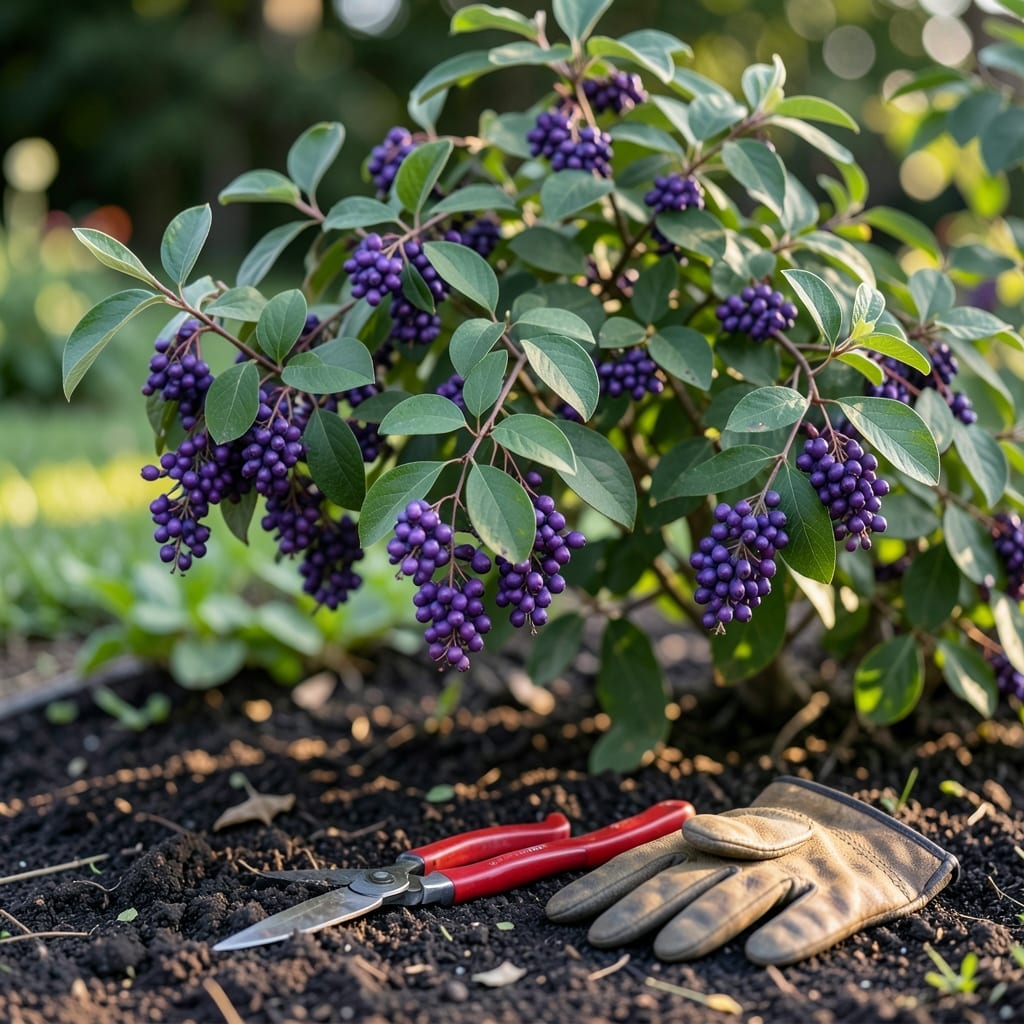
Pruning your 🌿 Beautyberry at the right time ensures vibrant foliage, abundant berries, and a healthy shrub. Timing is everything—do it wrong, and you risk losing that stunning fall color and winter interest.
I learned this the hard way after accidentally cutting back my shrubs in spring and missing out on their beautiful berries that year. The difference proper timing makes is truly remarkable.
For those in Zone 6, getting this right means the difference between a thriving plant and one that struggles. The good news is that once you know the ideal window, it becomes easy to maintain.
Let me share exactly when to make those cuts and how to get the best results from your Beautyberry every time. You’ll be amazed at how much healthier your shrubs become.
I always recommend pruning beautyberry shrubs in late winter just before new growth starts. This timing allows the plant to focus its energy on producing vibrant foliage and abundant berries during the growing season.
Pruning too early in winter can expose the shrub to cold damage, while pruning too late in spring may remove flower buds that form on old wood. In my experience, February to early March works best for most regions.
In warmer climates like USDA Zones 8-10, you can prune as early as late January. Colder regions should wait until March to avoid frost damage to new growth. I’ve seen beautyberry bounce back quickly when pruned at the right time.
The dormant season is ideal because the plant isn’t actively growing. This reduces stress on the shrub and minimizes the risk of disease or pest issues entering through fresh cuts.
If you prune in summer or fall, you might remove the flower buds that would have become next season’s berries. Beautyberry blooms on old wood, so timing is absolutely critical for those gorgeous purple clusters.
For rejuvenation pruning, I cut back about 1/3 of the oldest stems each year. This keeps the shrub vigorously productive while maintaining its natural shape. Always use clean, sharp tools to make smooth cuts.
After pruning, I apply a layer of mulch around the base to protect the roots and retain moisture. This helps the shrub recover faster and prepares it for the growing season ahead.
Remember that beautyberry is quite forgiving. Even if you miss the perfect window, it will usually recover. But for the best berry production and healthiest growth, stick to that late winter schedule.
In my garden, I’ve found that pruning just before the last frost date gives the best results. The shrub has time to heal before spring growth begins in earnest.
Always observe your specific microclimate conditions. If you have a protected location or milder winters, you might be able to prune a bit earlier than the general guidelines suggest.
✂️
The best time to prune beautyberry is in late winter just before new growth begins. This timing allows the shrub to heal quickly while avoiding damage to emerging buds that produce those vibrant purple berries we love.
Pruning in early spring or fall can remove flower buds, reducing your berry harvest. In warmer USDA zones 7-10, aim for February. Colder climates should wait until March when frost risk passes.
| Pruning Window | Climate Zone | Key Benefit |
|---|---|---|
| Late Winter | Zones 7-10 | Maximizes berry production |
| Early March | Zones 4-6 | Avoids frost damage |
| Avoid Fall | All Zones | Prevents winter dieback |
I always check for swollen buds as my signal to start pruning. If you prune too early in winter, the cuts may not heal before cold snaps. Too late, and you’ll cut off flower buds that form on old wood.
In my experience, beautyberry responds well to hard pruning. You can remove up to one-third of the oldest stems to encourage new growth and better berry production. This also helps maintain a compact shape.
For mature shrubs, focus on removing crossing branches and weak growth. This improves air circulation, which helps prevent fungal diseases that can affect beautyberry in humid climates.
Remember, consistent annual pruning keeps your beautyberry healthy and productive. Skipping a year might lead to a tangled mess of stems that produce fewer berries and look less attractive in your landscape.
I’ve found that sharp bypass pruners work best for clean cuts that heal quickly. Always sterilize your tools between plants to prevent disease spread.