
Beautiful Plants For Your Interior
Beautiful Plants For Your Interior
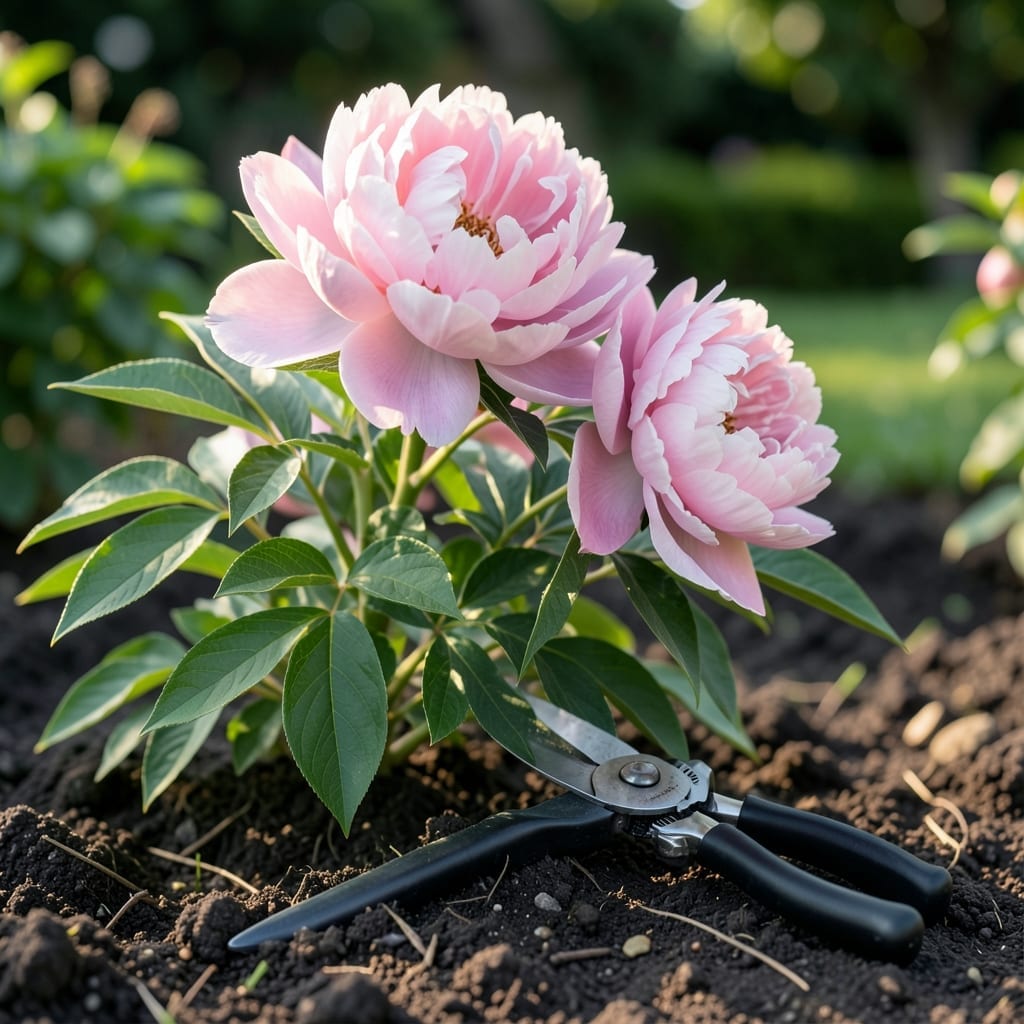
Pruning peonies at the right time is the secret to lush foliage and abundant blooms year after year. Do it wrong, and you risk weak growth or no flowers at all.
The 🌸 Peony thrives when pruned with precision, especially in zones 3-8. Timing is everything—cut too early or late, and you might sabotage next season’s display.
I’ll show you the best moments to grab those shears and how to do it without harming your plant. It’s simpler than you think.
Discover how a little seasonal care now means a garden bursting with color later. Let’s get started.
I’ve found that timing is everything when pruning peonies for vibrant blooms. The best window is in early fall, after the first frost knocks back the foliage.
In my experience, pruning in September or October allows the plant to store energy for next year’s growth. This timing also helps prevent disease by removing old stems before winter. ✂️
| Season | Action | Purpose |
|---|---|---|
| Fall | Cut back to 3-4 inches | Remove dead foliage and prevent disease |
| Spring | Trim dead wood | Encourage new growth |
| Avoid Summer | No pruning | Preserve energy for blooming |
For USDA Zones 3-8, I recommend pruning after the first hard frost in October. This ensures the plant has entered dormancy but still has time to recover.
In warmer climates, like Zone 8, you might prune as late as November. Cooler zones, such as Zone 3, should aim for September to avoid winter damage. 🌡️
I always use clean, sharp shears to make clean cuts at a 45-degree angle. This reduces the risk of disease transmission and helps the plant heal faster.
After pruning, I remove all debris from the soil to prevent fungal infections. It’s a small step that makes a big difference in plant health.
Never prune in summer, as this can stress the plant and reduce next year’s blooms. The energy stored during summer is critical for flower production.
If you notice diseased stems during the growing season, remove them immediately with sterilized tools. This keeps the rest of the plant healthy and thriving.
For tree peonies, prune lightly in early spring to shape the plant. They bloom on old wood, so avoid heavy pruning in fall. 🌳
I always start by gathering the right tools: sharp bypass pruners, gloves, and a clean bucket for debris. Dull blades can crush stems, inviting disease, so I keep mine razor-sharp for clean cuts every time.
Pruning peonies isn’t complicated once you know the basics. The key is timing and technique—cut at a 45-degree angle just above a healthy bud to encourage strong regrowth next season.
After pruning, I always sanitize my tools again with a 10% bleach solution. This extra step prevents pathogens from spreading to other plants in my garden.
For established peonies, I focus on removing weak or crowded stems to improve air circulation. This reduces the risk of fungal diseases like botrytis blight, which thrives in damp, crowded conditions.
I’ve learned that spring pruning should only involve removing winter-damaged wood. Save major pruning for fall when the plant is dormant and less vulnerable to stress.
Finally, I mulch lightly after fall pruning with 2-3 inches of organic matter. This protects the roots from winter extremes while allowing the soil to breathe. ✂️