
Beautiful Plants For Your Interior
Beautiful Plants For Your Interior
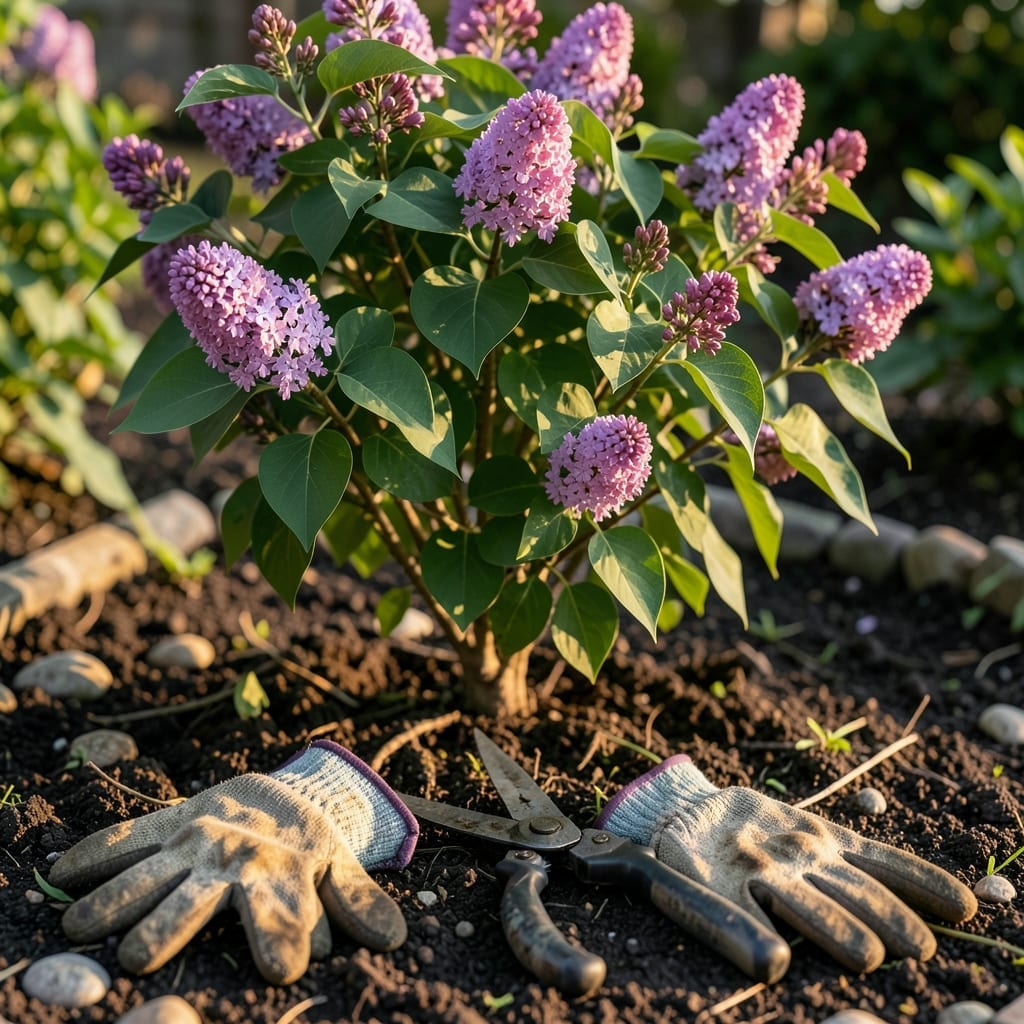
Timing your lilac pruning correctly can mean the difference between a lackluster shrub and a burst of fragrant, vibrant blooms next spring. Many gardeners unknowingly sabotage their 🌸 Lilac by pruning at the wrong time.
I’ve seen firsthand how proper timing transforms these shrubs. The key lies in understanding their unique blooming cycle and seasonal needs.
Let me show you exactly when to make those cuts for the best results and how to avoid the common mistakes that leave gardeners disappointed year after year.
The best time to prune your lilac shrub is immediately after it finishes blooming in spring. This timing allows the plant to set buds for next year’s flowers while still having enough time to recover.
I always recommend marking your calendar right after the last bloom fades. This window typically falls in late spring or early summer, depending on your climate and lilac variety.
| Pruning Factor | Ideal Timing |
|---|---|
| Best Season | Late spring to early summer |
| Exact Window | After blooming finishes |
| USDA Zones 3-5 | May to early June |
| USDA Zones 6-7 | April to May |
Lilacs form their flower buds in the summer for the following year. If you prune in fall or winter, you’ll likely cut off these developing buds, sacrificing next year’s blooms.
In my experience, gardeners in colder climates (Zones 3-5) should aim for late May to early June pruning. Those in warmer areas (Zones 6-7) can start a bit earlier, around April.
The blooming cycle is your best guide. Watch for the last flowers to fade and the petals to fall. That’s your signal to grab the pruning shears and get to work.
Remember that young lilacs (under 2 years) typically don’t need pruning. Focus instead on establishing a strong root system. For mature shrubs, this post-bloom pruning helps maintain shape and vigor.
If you’re unsure about the timing, observe your lilac’s growth pattern. New shoots will begin forming soon after blooming – this is nature’s way of telling you it’s time to prune.
For rejuvenation pruning of old, overgrown lilacs, you can do a more aggressive cutback. But even then, stick to the post-bloom window to avoid disrupting the next year’s flower production.
I’ve found that pruning at this optimal time results in fuller blooms, healthier growth, and a more attractive shape. It’s the secret to those stunning, fragrant displays we all love. ✂️
Don’t forget that consistent timing year after year will train your lilac to produce its best blooms. This rhythm helps the plant focus its energy where it matters most. 🌸
Pruning your lilac shrub at the wrong time can be disastrous for next year’s blooms. The most common mistake I see is fall or winter pruning, which removes the buds that have already formed for spring.
If you cut back your lilac in autumn, you’re essentially deleting next year’s flower show. The plant has already set its buds, and those cuts will leave you with a bloom-less shrub come spring.
⚠️ Warning: Pruning in fall or winter will remove next year’s flower buds, resulting in no blooms the following spring.
I’ve witnessed the disappointment firsthand when gardeners prune in late summer or fall. The shrub may look neat, but come spring, there are no flowers to enjoy. This happens because lilacs set their buds in summer.
Even early spring pruning can be risky. If you cut before the plant blooms, you might remove some of the current year’s buds. Always wait until after flowering to be safe.
If you’ve already made this mistake, don’t panic. Your lilac will likely recover, but it may take a full year to produce blooms again. Focus on proper timing next season.
The plant may also show stress signs like sparse foliage or weak growth if pruned incorrectly. These are clear indicators that your timing was off and needs adjustment. ✂️
Remember, lilacs are forgiving, but their blooming cycle is not. One wrong cut at the wrong time can cost you a season of beautiful, fragrant flowers. 🌸