
Beautiful Plants For Your Interior
Beautiful Plants For Your Interior
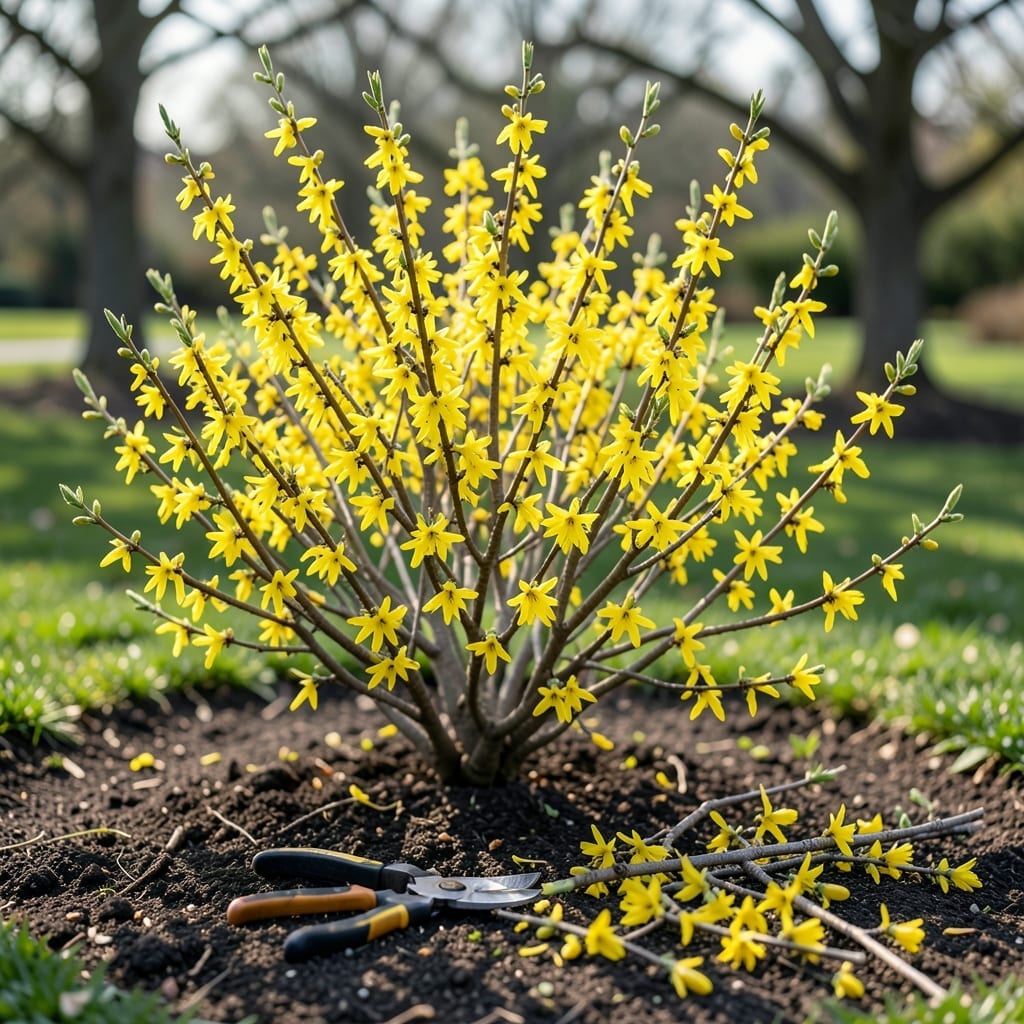
Timing your forsythia pruning perfectly can mean the difference between a lackluster display and a burst of golden blooms that light up your spring garden. The 🌿 Forsythia rewards proper care with spectacular flowers.
Cutting it back at the wrong time can cost you a season of color. I’ll show you exactly when to grab your pruners for the best results.
Whether you’re a seasoned gardener or just starting out, understanding this simple timing secret will transform your shrub’s performance. Let’s get started.
The best time to prune your forsythia bush is right after it finishes blooming in early spring. This is usually between late March and early May, depending on your climate.
Pruning at this time ensures you won’t accidentally cut off the flower buds that form in summer for next year’s display. Forsythias bloom on old wood, so timing is everything for vibrant blooms.
If you prune in fall or winter, you’ll likely cut off the budding wood that would have produced next spring’s golden flowers. This is the most common mistake I see gardeners make.
For colder climates (USDA zones 5-6), finish pruning by early June to give new growth time to mature before winter. In warmer zones (7-8), you can prune up to mid-June.
If your forsythia is overgrown, you can do a light pruning in late summer to shape it, but avoid heavy cuts. Remember, every snip removes potential flowering wood.
I always recommend marking your calendar right after your forsythia finishes blooming. This visual cue helps you remember the optimal pruning window for next year.
The flowering cycle of forsythia is unique. Buds form on last year’s growth, so pruning after blooming gives the plant time to develop new flower-producing stems.
In my experience, forsythias pruned at the right time produce 30-50% more blooms the following spring. The difference is truly remarkable and worth the effort of timing your cuts properly.
If you’ve accidentally pruned at the wrong time, don’t worry. The plant will recover, but you might have a less colorful spring. Just adjust your timing for next year.
Remember, the key is after flowering but before new buds form. This simple rule will keep your forsythia healthy and blooming profusely year after year ✂️
Proper pruning starts with the right tools: sharp bypass pruners for clean cuts and loppers for thicker branches. Always sterilize your tools with rubbing alcohol to prevent disease spread between plants.
I recommend beginning by removing any dead, damaged, or diseased wood first. This opens up the shrub and lets you see its natural shape. Then, focus on thinning cuts to improve air circulation and sunlight penetration.
For heading cuts, always cut just above a leaf node or bud at a 45-degree angle. This encourages new growth in the right direction and helps the plant heal faster. Never leave stubs, as they can invite pests and diseases.
When shaping your forsythia, aim for a natural form. Remove about 1/3 of the oldest stems each year to rejuvenate the plant. This gradual approach maintains bloom production while keeping the shrub healthy and vigorous.
After pruning, give your forsythia a deep watering to help it recover. I also recommend applying a 2-3 inch layer of organic mulch around the base to retain moisture and suppress weeds. Avoid piling mulch against the stems.
Remember, less is more with forsythia pruning. Over-pruning can stress the plant and reduce flowering. If in doubt, make fewer cuts – you can always prune more next year if needed ✂️