
Beautiful Plants For Your Interior
Beautiful Plants For Your Interior
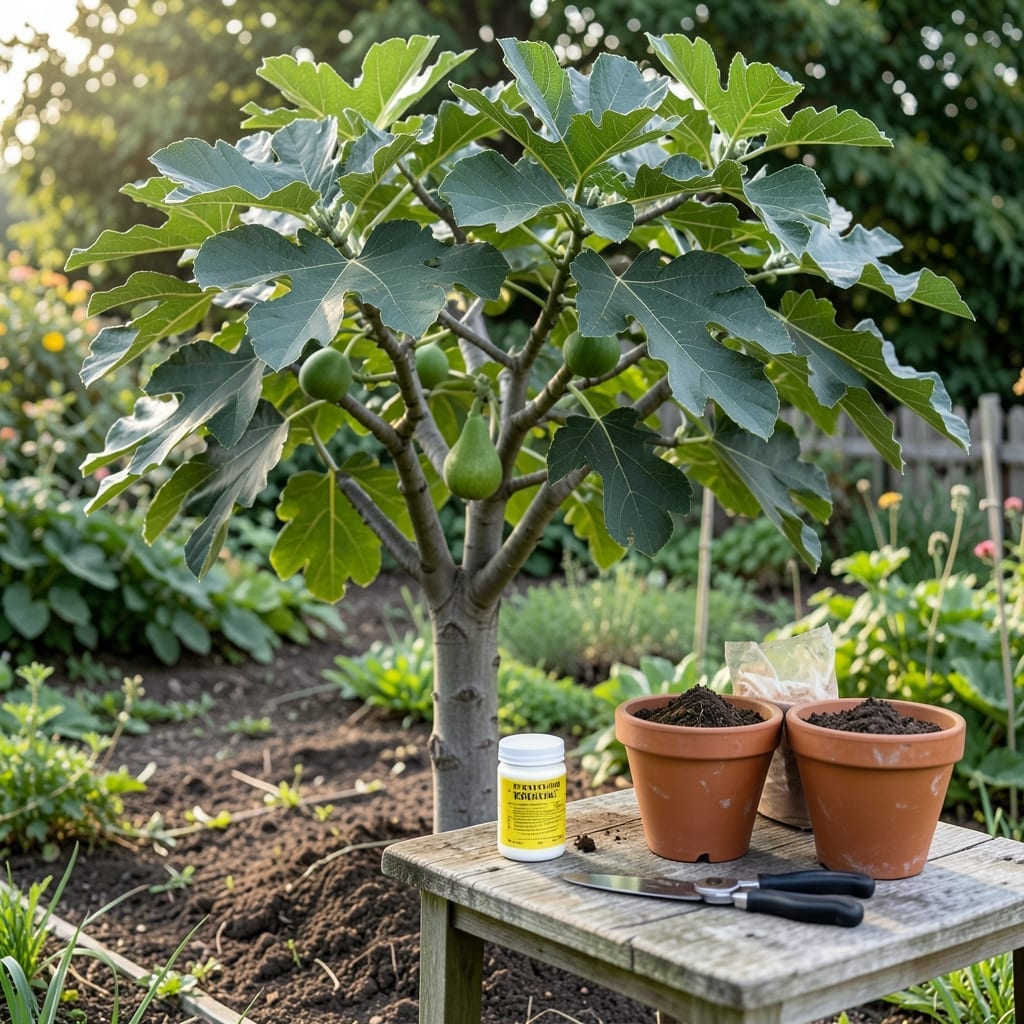
Propagating the 🌳 Fig Tree at the right time can mean the difference between struggling saplings and thriving new plants with strong root systems.
Timing is everything when it comes to giving your cuttings the best chance to establish. You’ll want to work with nature’s rhythm, not against it.
I’ve learned through experience that the late winter to early spring window offers the most reliable conditions for successful propagation. This is when the Fig Tree is still dormant but ready to burst into new growth.
Discover why this specific timing works so well and how to make the most of it for your own healthy new plants.
Timing your fig tree propagation correctly is the secret to strong, healthy roots. I’ve found that late winter to early spring works best for most climates. This window allows cuttings to establish before the heat of summer kicks in.
The dormant season is ideal because the tree’s energy is focused on root development. In USDA zones 6-9, this typically means March or April, just before new growth starts.
| Season | Method | Best For |
|---|---|---|
| Late Winter | Hardwood Cuttings | Cold climates |
| Early Spring | Softwood Cuttings | Warmer zones |
| Early Summer | Greenwood Cuttings | Fast rooting |
In colder regions, stick to hardwood cuttings taken in late winter. These woody stems are dormant and store energy, giving them a better chance to root before spring arrives.
For warmer climates, early spring propagation works well. The soil is warming up, and the tree is just starting to wake from dormancy. This timing mimics natural growth patterns.
If you’re in a mild winter area, you might even get away with propagating in early fall. However, avoid late fall or winter in cold zones, as frost can damage tender new roots.
I always check the soil temperature before starting. Aim for at least 50°F (10°C) at root level. This ensures the cuttings won’t sit in cold, stagnant conditions.
Moisture control is critical during propagation. Too much water causes rot, while too little stunts growth. I use a well-draining mix and mist the cuttings daily for best results.
Remember, fig varieties like ‘Celeste’ or ‘Brown Turkey’ root more easily than others. If you’re new to propagation, start with these reliable performers.
Finally, always take cuttings from healthy, disease-free trees. A strong parent plant gives your new fig tree the best possible start in life.
With the right timing and care, you’ll be rewarded with vigorous new plants ready to thrive in your garden. ✂️
Propagating fig trees works best when you align your method with the seasonal growth cycle. I’ve found that hardwood cuttings thrive in late winter, while softwood cuttings prefer early summer warmth.
For hardwood propagation, I take dormant cuttings in February or March, just before buds swell. This timing gives the new roots a head start before spring growth explodes.
When I use softwood cuttings in June, I ensure they’re 4-6 inches long with 2-3 leaf nodes. The warmth speeds up rooting, but I keep them shaded to prevent stress.
For both methods, I dip the cut ends in rooting hormone to boost success. Consistent moisture is critical—dry cuttings won’t root, but soggy ones will rot.
I’ve learned that aftercare matters just as much as timing. Newly rooted figs need bright, indirect light and protection from harsh sun until they’re established.
Finally, I transplant my rooted cuttings once they show new leaf growth, usually after 6-8 weeks. This ensures they’re strong enough to handle outdoor conditions. ✂️