
Beautiful Plants For Your Interior
Beautiful Plants For Your Interior
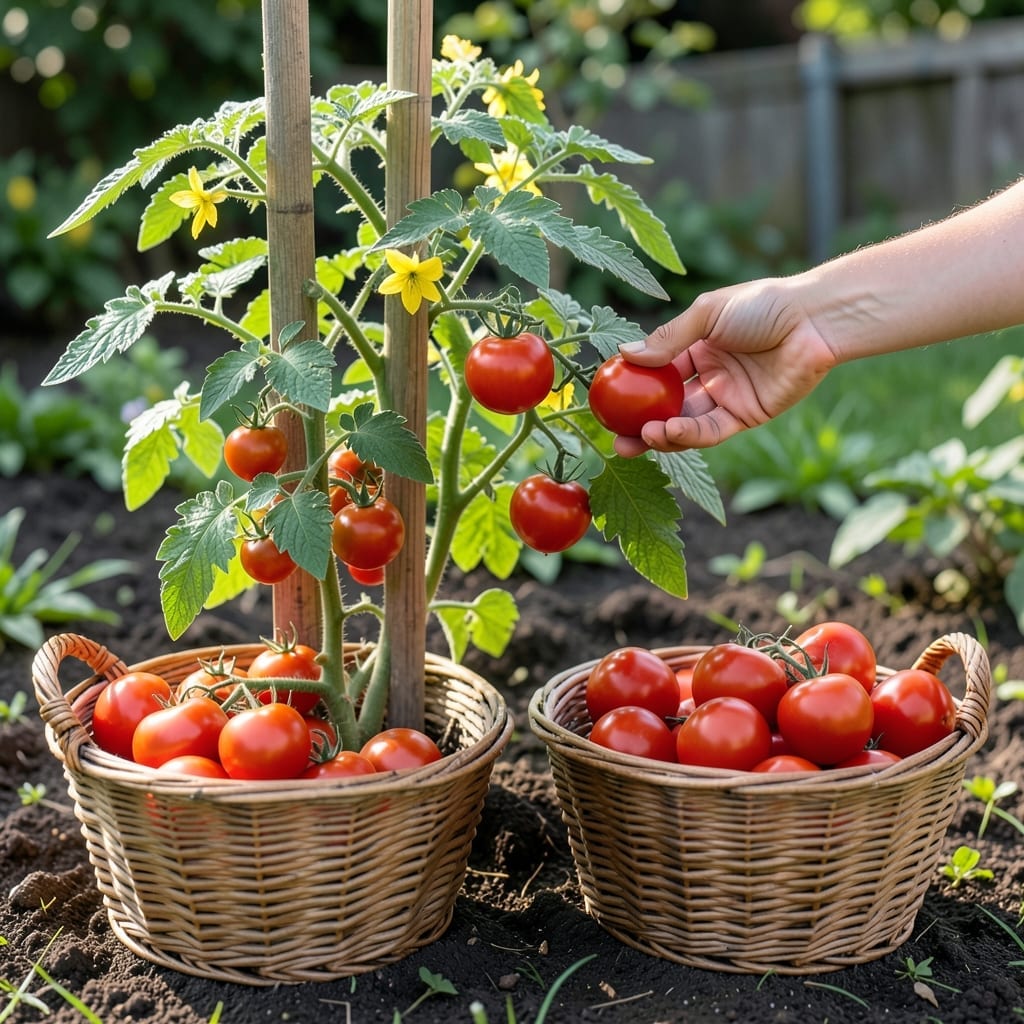
Knowing exactly when to pluck 🍅 Tomatoes can mean the difference between a bland, mealy fruit and a burst of sun-ripened sweetness. Timing is everything in gardening, especially for homegrown produce.
I’ve learned that the perfect harvest window in Zone 6 typically falls between July and September. The key is watching for visual and textural cues rather than relying on calendar dates alone.
Let me show you how to identify that peak moment of ripeness. You’ll discover simple signs that guarantee the best flavor every time you pick.
I always watch for visual changes first when checking my tomato plants. The most obvious sign is color transformation. Most varieties turn from green to their mature hue—red, yellow, or orange depending on the type.
But color alone isn’t enough. I also check for uniform coloration across the entire fruit. If there’s still a green ring around the stem, it’s not quite ready. The skin should also look shiny and smooth rather than dull.☀️
| Ripeness Sign | What to Look For |
|---|---|
| Color | Full, even mature color for variety |
| Texture | Slightly soft with gentle pressure |
| Aroma | Strong tomato scent at stem end |
| Stem | Easy separation from vine |
| Days to Maturity | 50-90 days from transplant |
The touch test is my next go-to. A ripe tomato should have a slight give when gently squeezed—like a ripe avocado. If it’s rock hard, it needs more time. If it’s mushy, it’s overripe.
I also pay attention to the stem area. When tomatoes are ready, they’ll often separate easily from the vine with just a light tug. If you have to pull hard, it’s not ready yet. This is especially true for heirloom varieties.
For cherry tomatoes, I look for them to feel plump and heavy in my hand. They often ripen faster than larger varieties, sometimes in as little as 50 days. Beefsteak tomatoes, on the other hand, can take up to 90 days.
The aroma is another great indicator. Ripe tomatoes have a strong, sweet smell at the stem end. If there’s no scent, it’s not ready. This is particularly helpful for green tomatoes that are meant to stay green when ripe.
I’ve found that morning harvesting gives the best results. The fruits are cooler and firmer, which helps them last longer after picking. Plus, the sugar content is often higher in the morning after the plant has had all night to process nutrients.
Remember that weather affects ripening. Hot, sunny days speed up the process, while cool, cloudy weather slows it down. In my Zone 6 garden, I typically start seeing ripe tomatoes in early July, with the peak harvest in August.
For green tomato varieties, like ‘Green Zebra’, I look for a cream-colored blush at the blossom end. This subtle change signals they’re ready to pick. Always check your seed packet for variety-specific ripeness indicators.
Lastly, I keep a garden journal to track when I planted each variety. This helps me anticipate harvest times and notice patterns from year to year. It’s especially useful for heirloom tomatoes with longer maturity periods.🌱
I always use the right technique to harvest my tomatoes. The best approach is to hold the fruit gently and twist it slightly until it separates from the vine. This prevents damage to both the tomato and the plant stem.
For stubborn fruits, I use clean pruners or scissors to snip the stem. This method works especially well for larger varieties like beefsteaks. Always sterilize your tools to prevent disease spread.☀️
I’ve found that harvesting in the morning gives the best results. The fruits are firmer and less likely to bruise. The cooler temperatures also help preserve their freshness and flavor longer after picking.
For cherry tomatoes, I recommend harvesting the entire cluster when most fruits are ripe. This prevents overloading the vine and encourages more production. Be gentle with these small fruits as they’re more prone to splitting.
Always inspect your tomato plants regularly during harvest season. I check mine every 1-2 days in peak summer. Missing just a few days can mean some fruits become overripe or split on the vine.
After picking, I handle tomatoes with care. Never stack them, as the weight can cause bruising. Store them at room temperature (not in the fridge) with the stem end up to maintain quality longer.🌱