
Beautiful Plants For Your Interior
Beautiful Plants For Your Interior
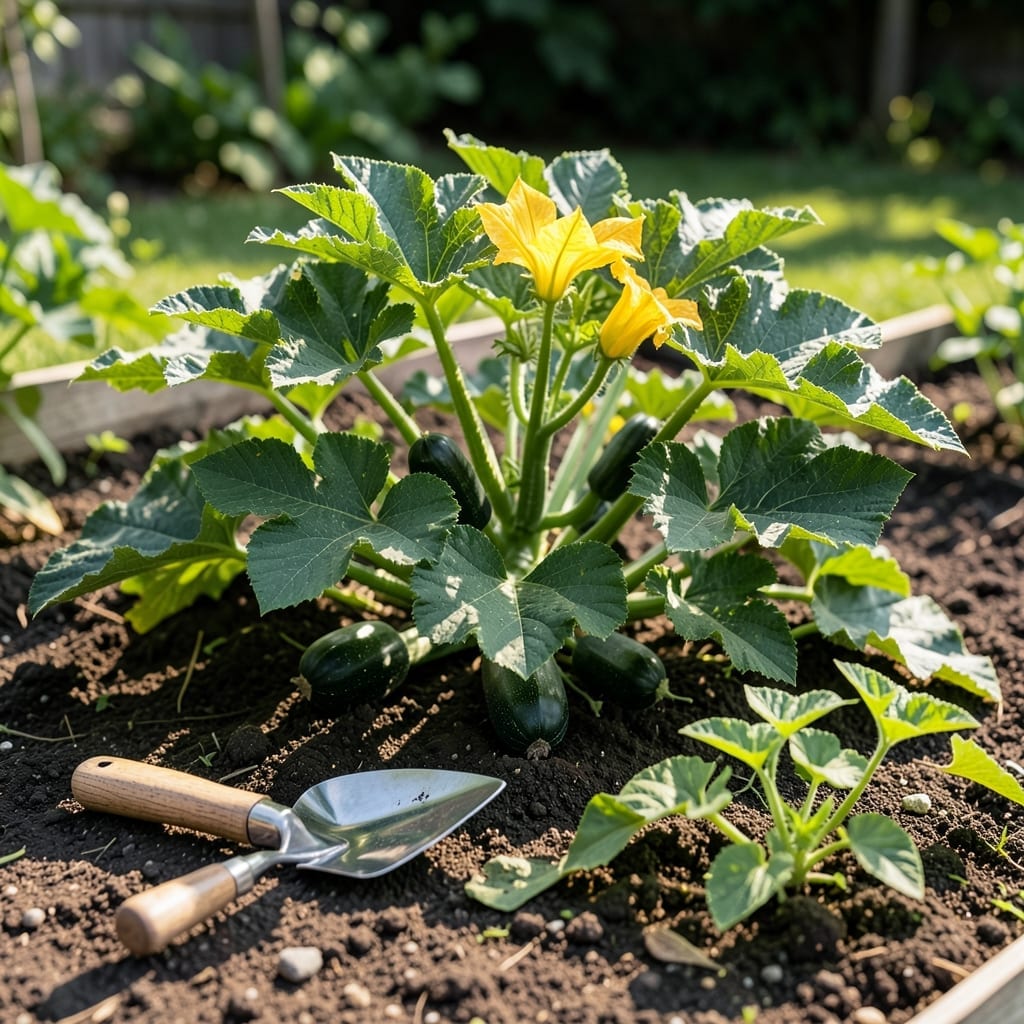
Timing is everything when growing 🥒 zucchini in Northern California’s unique climate. Plant too early, and frost may nip your young seedlings in the bud. Wait too long, and you might miss the peak growing window.
Our region’s 9b zone offers a generous growing season, but getting the timing right can mean the difference between a bountiful harvest and disappointment. I’ve learned the hard way that patience pays off when it comes to zucchini.
You’ll want to aim for that sweet spot when the soil has warmed and the risk of frost has passed. This ensures your plants get the strongest start possible.
Discover the ideal months to plant zucchini here, plus the preparation steps that will set you up for success. Let’s get your garden thriving.
Northern California’s diverse microclimates mean planting times for zucchini vary by region. Coastal areas, with their cool marine influence, often require a later start than inland valleys, which warm up faster in spring.
I’ve found that soil temperature is the key factor—zucchini seeds need at least 60°F to germinate properly. This usually aligns with late March to May for most areas, but timing can shift slightly based on your exact location.
| Region | Ideal Planting Window | Soil Temp Requirement | Frost Considerations |
| Inland Valleys | March – April | 60°F+ | Watch for late frosts |
| Foothills | Late April – May | 60°F+ | Higher frost risk |
In coastal regions like San Francisco or Monterey, the ocean’s cooling effect means you’ll want to wait until April or May. The soil stays cooler longer here, and early planting can lead to poor germination or stunted growth.
For inland areas such as Sacramento or the Central Valley, March to April is ideal. These regions warm up quickly, and you can often get a head start. Just be prepared to cover plants if a late frost threatens.
The foothill regions, including areas near the Sierra, present a unique challenge. Here, late April to May planting works best, but keep an eye on frost forecasts. Elevation plays a big role in temperature fluctuations.
Remember, zucchini thrives in warmth. If you’re eager to start early, consider using black plastic mulch to warm the soil or starting seeds indoors. This can give you a 2-3 week head start in cooler areas.
Another tip: successive planting can extend your harvest. Try sowing a new batch of seeds every 2-3 weeks through early summer. This ensures a continuous supply rather than one large, overwhelming harvest.
Don’t forget to check your local frost dates. Northern California’s last frost typically occurs between March 15 and April 15, but this can vary. A soil thermometer is an invaluable tool for precision.
Finally, consider your zucchini variety. Some, like ‘Early Prolific Straightneck’, mature faster and can handle slightly cooler conditions. Others may need the extra warmth of late spring to truly thrive.
With the right timing and a little patience, you’ll be rewarded with a bountiful zucchini harvest all season long 🌱
Before planting zucchini in Northern California, I always start with soil preparation. Test your soil pH—zucchini thrives in a range of 6.0 to 7.5. If it’s too acidic, add lime; if too alkaline, mix in sulfur.
Next, enrich the soil with compost or aged manure. This boosts fertility and improves drainage, which is critical for preventing root rot. I prefer working in a 2-3 inch layer of organic matter about a week before planting.
When it comes to sowing seeds, you have two options: direct sowing or transplanting seedlings. Direct sowing works well in warmer areas, but starting seeds indoors gives you a head start in cooler regions.
If transplanting, harden off seedlings for 7-10 days before moving them outside. This reduces shock and helps them adjust to outdoor conditions. I like to set them out on cloudy days to minimize stress.
For direct sowing, plant seeds about 1 inch deep and 3-4 feet apart. Once seedlings emerge, thin them to the strongest plants. Proper spacing prevents overcrowding and ensures good air circulation.
Finally, water deeply after planting and keep the soil consistently moist but not soggy. Mulch around plants to retain moisture and suppress weeds. With these steps, your zucchini will have the best start possible 🌱