
Beautiful Plants For Your Interior
Beautiful Plants For Your Interior
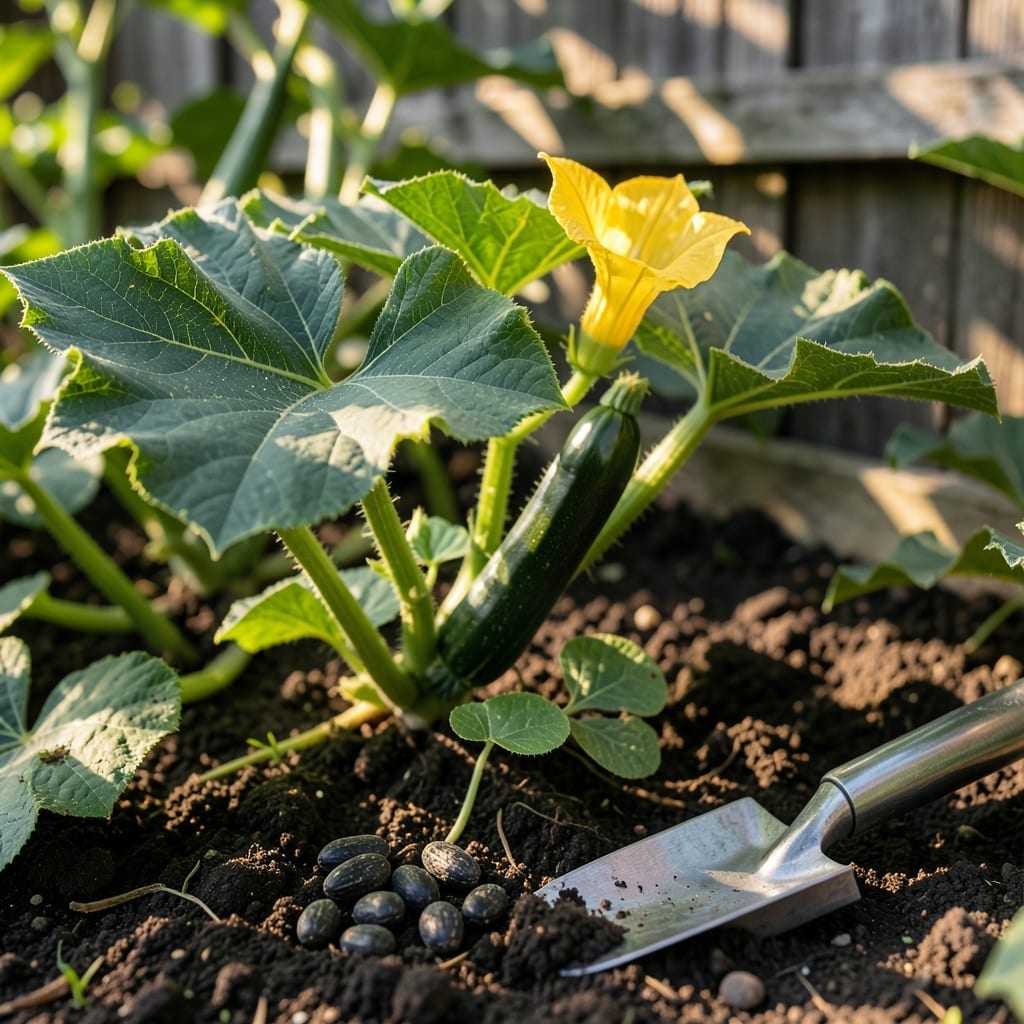
Timing is everything when planting Zucchini in New Jersey—plant too early and frost can kill your seedlings, but wait too long and you’ll miss the peak growing season.
I’ve seen gardeners struggle with this balance, and it’s frustrating when your hard work doesn’t pay off. The good news? There’s a perfect window to get it right.
For NJ gardeners in zones 6b-7a, the key is waiting until the soil warms up. This simple step can make or break your harvest.
Let me walk you through the ideal planting calendar so you can enjoy a bountiful 🥒 harvest all season long.
In New Jersey, your zucchini planting window depends on your USDA hardiness zone. Most of the state falls in zones 6b-7a, where the last frost typically hits around April 15.
For the best results, wait until soil temperatures reach at least 60°F. Cool soil can stunt growth or even kill young seedlings. I always check with a soil thermometer before planting.
| Zone | Last Frost Date | Plant Outdoors | Soil Temp |
|---|---|---|---|
| 6a | April 10-20 | May 1-10 | 60°F+ |
| 6b | April 15-25 | May 5-15 | 60°F+ |
| 7a | April 20-30 | May 10-20 | 60°F+ |
If you’re eager to get a head start, you can start seeds indoors about 2-4 weeks before your last frost date. Just be sure to harden off seedlings before transplanting them outside.
For successive planting, I recommend sowing a new batch of seeds every 2-3 weeks until mid-summer. This staggered approach ensures a continuous harvest through fall.
In cooler areas like northern NJ, you might need to wait until late May to plant. Warmer regions, such as southern NJ, can often plant as early as mid-April with protection.
Don’t forget that zucchini plants love full sun and well-draining soil. Choose a spot that gets at least 6-8 hours of sunlight daily for the best results.
If you’re unsure about your soil temperature, a simple test is to plant a few seeds and see if they sprout within 5-7 days. If they don’t, the soil might still be too cold.
Finally, keep an eye on the weather forecast. A late frost can wipe out young plants, so be prepared to cover them if temperatures drop unexpectedly.
With the right timing, you’ll be harvesting fresh zucchini from July through September, giving you plenty to share with friends and neighbors
🌱Preparing your New Jersey garden for zucchini starts with soil preparation. I always begin by testing my soil’s pH, aiming for a slightly acidic range of 6.0-6.8 for optimal growth.
Next, I loosen the soil to 12-15 inches deep and mix in plenty of compost or aged manure. This boosts fertility and improves drainage, which zucchini plants love.
Site selection is crucial. Choose a spot with full sun exposure—at least 6-8 hours of direct sunlight daily. Zucchini plants are heavy feeders, so rich soil is a must.
I’ve found that raised beds work wonderfully in NJ because they warm up faster in spring and offer better drainage. If planting in-ground, ensure the area isn’t prone to standing water.
Avoid common mistakes like overwatering or crowding plants. Zucchini needs consistent moisture, but soggy soil can lead to rot. Space plants 24-36 inches apart for good air circulation.
Finally, consider adding a layer of mulch after planting. This helps retain moisture, suppresses weeds, and keeps soil temperatures stable—especially important in NJ’s variable climate.
🌱