
Beautiful Plants For Your Interior
Beautiful Plants For Your Interior
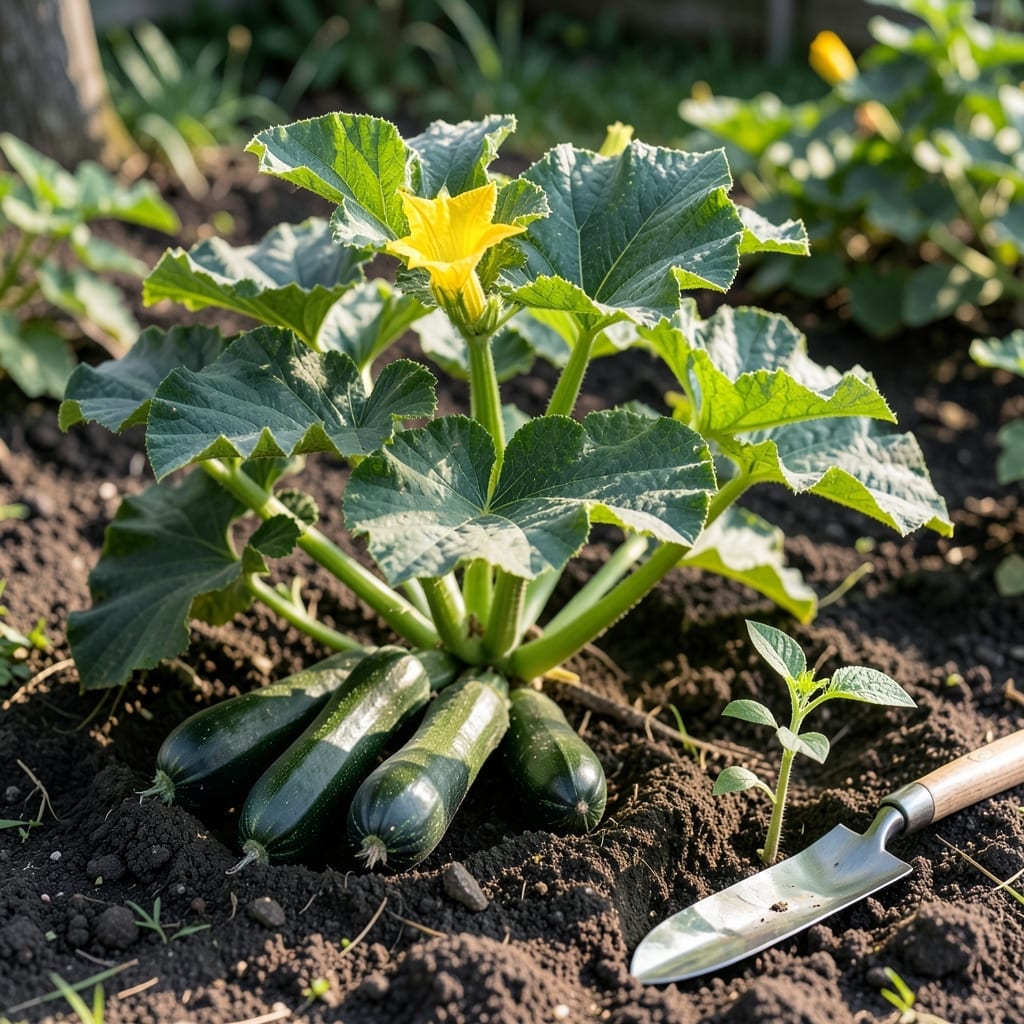
Timing is everything when planting zucchini in Alabama’s unique climate. Plant too early, and frost may destroy your seedlings; plant too late, and scorching summer heat can stunt growth and reduce yields.
The 🥒 is a warm-season crop that thrives in the state’s zones 7b-8a. Getting the timing right means the difference between a bountiful harvest and a disappointing one.
I’ve learned through experience that Alabama’s long growing season offers multiple opportunities. But knowing exactly when to start is the key to success.
Let me show you how to pinpoint the perfect window for planting zucchini in your area. The result will be healthier plants and more abundant harvests.
Alabama stretches across USDA zones 7a-8b, giving gardeners a long, warm growing season. In these zones, the last frost date typically falls between March 15 and April 1, making mid-April the safest time to start planting zucchini outdoors.
For best results, wait until soil temperatures reach at least 60°F. In northern Alabama (Zone 7a), this usually happens by mid-April. In central and southern regions (Zones 7b-8b), you can often plant as early as late March if the soil has warmed sufficiently.
| Zone | Last Frost Date | Planting Window | Soil Temp |
|---|---|---|---|
| 7a | March 15-20 | Mid-April to May | 60°F+ |
| 7b | March 20-25 | Late March to May | 60°F+ |
| 8a-8b | March 10-15 | Late March to early May | 60°F+ |
I always recommend using a soil thermometer to check conditions before planting. Zucchini seeds won’t germinate well in cold soil, and young plants are sensitive to frost. If you’re eager to start earlier, consider using black plastic mulch to warm the soil faster.
For a fall crop, you can plant zucchini again in late July to early August. This timing allows for a second harvest before the first frost arrives in mid-November. Just be sure to choose a fast-maturing variety like ‘Eight Ball’ or ‘Patio Star’ for this late planting.
Alabama’s long growing season is perfect for zucchini, but the intense summer heat can be challenging. I’ve found that providing afternoon shade during the hottest part of the day helps prevent heat stress and keeps plants productive longer.
Remember that zucchini plants are heavy feeders. Before planting, I always work plenty of compost or aged manure into the soil. This gives the plants the nutrients they need for rapid growth and abundant production.
If you’re in a cooler microclimate or higher elevation area, you might need to wait an extra week or two. Pay attention to your local weather patterns rather than just relying on general zone information.
For those in urban areas like Birmingham or Huntsville, the heat island effect can make your garden warmer than surrounding rural areas. In these cases, you might be able to plant a bit earlier, but watch for late frosts.
No matter where you are in Alabama, consistent moisture is key for zucchini. I recommend using drip irrigation to keep the foliage dry and prevent disease while ensuring the roots get the water they need.
Finally,
With the right timing and care, you’ll be harvesting abundant zucchini all season long in your Alabama garden 🌱
I love using succession planting to get a steady supply of zucchini all season. In Alabama’s long growing season, you can plant new seeds every 2-3 weeks from early spring to late summer.
This approach prevents a single overwhelming harvest and ensures fresh zucchini for months. Start your first batch after the last frost date (around March 15 in most areas) and continue through June.
Remember, zucchini plants produce for about 6-8 weeks before production slows. By staggering your plantings, you’ll always have young, productive plants coming online as older ones fade.
In Alabama’s heat, I recommend afternoon shade for late summer plantings. This protects the plants from scorching sun and keeps them producing longer.
Also, keep an eye on soil moisture. Zucchini needs consistent watering, especially during our hot, dry spells. A drip irrigation system works wonder for even watering.
With this method, you can enjoy fresh zucchini from June through September. It’s a simple way to maximize your garden’s potential in Alabama’s favorable climate ☀️