
Beautiful Plants For Your Interior
Beautiful Plants For Your Interior
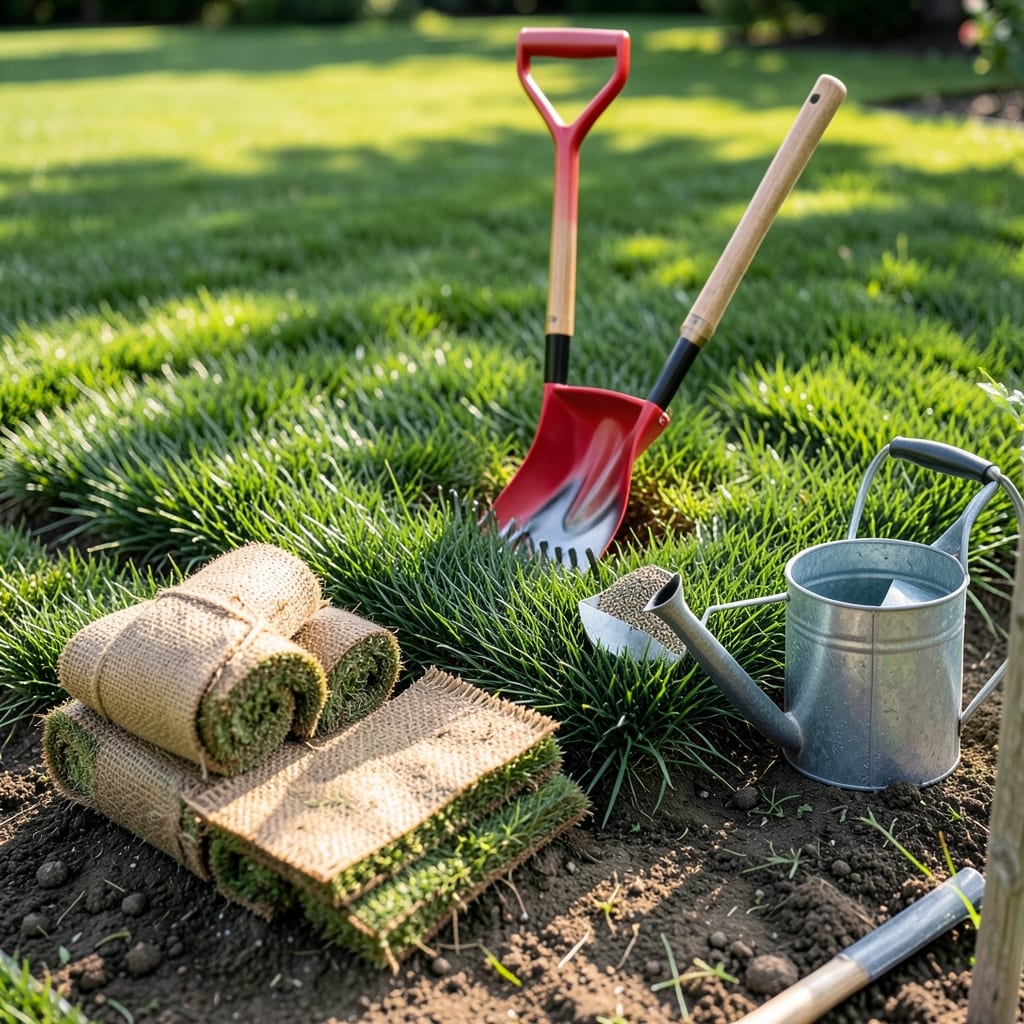
Timing your Zoysia grass planting in North Carolina can mean the difference between a patchy yard and a lush, envy-worthy lawn. From the Piedmont’s rolling hills to the coastal plains, our state’s diverse climate demands precise planning.
I’ve seen too many homeowners struggle with weak grass because they planted at the wrong time. Let me show you exactly when to get those 🌱 Zoysia plugs or sod in the ground for optimal growth—whether you’re in Raleigh, Wilmington, or the mountains. The perfect window is closer than you think.
If you’re planting zoysia grass in North Carolina’s Piedmont, timing is your secret weapon. This region’s transitional climate—with warm summers and chilly winters—means you’ve got a narrow window to get it right. Zoysia thrives in heat, so planting too early risks frost damage, while waiting too long lets summer drought stress young roots.
The sweet spot? Late spring to early summer, when soil temperatures consistently hit 70°F or higher. In the Piedmont, that typically means May through June. This warm-season grass needs heat to establish, but you’ll want to avoid the peak of summer’s scorching temps later in July.
| Planting Factor | Piedmont Recommendation |
|---|---|
| Best Months | May–June |
| Soil Temp | 70°F+ (use a soil thermometer!) |
| Frost Risk | Last frost: ~April 15 (wait 2+ weeks after) |
| Sunlight Needs | 6+ hours daily (full sun ideal) |
| Soil pH | 6.0–6.5 (test with NC Extension kit) |
| Sod vs. Seed | Sod: faster (2–3 weeks); Seed: cheaper (2–3 months) |
Why does this timing work so well? Zoysia’s root system develops best in warm soil, and planting in May–June gives it 2–3 months to establish before fall dormancy. If you’re using zoysia sod, you’ll see a lush lawn in just 2–3 weeks. Opting for zoysia seed? Be patient—it can take 2–3 months to fill in.
The Piedmont’s clay-heavy soil can be tricky, so I always recommend amending with compost or sand to improve drainage. A quick soil test (free through NC Cooperative Extension!) will tell you if you need to adjust pH. Aim for 6.0–6.5—zoysia struggles in acidic or alkaline extremes.
Watch the 10-day forecast before planting. If nighttime temps dip below 50°F, hold off. Zoysia’s growth slows dramatically in cool weather, and young plants are vulnerable to fungal diseases like brown patch if stressed. I’ve seen too many lawns fail because folks rushed planting after a false warm spell in April.
For sod installation, lay it immediately after delivery—zoysia dries out fast! Water daily for the first 2 weeks, then taper to 1 inch per week (including rain). If seeding, keep the top ½ inch of soil moist until germination (about 14–21 days). A light mulch (like straw) helps retain moisture without smothering sprouts.
Avoid the temptation to plant in late summer or fall. While coastal NC can sometimes pull this off, the Piedmont’s earlier frosts (often by mid-October) mean late-planted zoysia won’t have time to root deeply. Trust me—it’s not worth the risk of winterkill!
Once established, zoysia is drought-tolerant, but those first few months are critical. I like to use a rain gauge to track watering—aim for 1–1.5 inches weekly. Mow high (2–3 inches) until the lawn fills in, then drop to 1–2 inches for that classic zoysia carpet look.
Still unsure? Your local NC Cooperative Extension office offers free soil tests and region-specific advice. They’ll even help you pick the best zoysia variety for your Piedmont microclimate—whether it’s Empire (drought-resistant) or Meyer (cold-hardy). A little prep now means a lawn you’ll brag about for years! 🌱
Planting zoysia grass along North Carolina’s coast requires a different playbook than the Piedmont. The milder winters and higher humidity here create unique opportunities—and challenges. While the Piedmont sticks to late spring, coastal gardeners can often push the planting window earlier or later in the season.
The coastal region’s USDA Zones 8a–8b mean fewer frost days and longer growing seasons. This lets you plant zoysia as early as mid-April in some areas, or even try a late summer/early fall planting if you’re prepared to babysit new grass through potential hurricane rains. 🌊
| Factor | Coastal NC | Piedmont NC |
|---|---|---|
| Ideal Months | April–July | May–June |
| Last Frost | ~March 15 | ~April 15 |
| Soil Temp | 65°F+ (warms earlier) | 70°F+ |
| Fall Planting? | Yes (Sept–Oct) | Risky (avoid) |
| Salt Tolerance | Critical near shore | Less concern |
| Watering | More frequent (sandy soil) | Deep & infrequent |
For coastal areas, I recommend planting zoysia sod or plugs from mid-April through July. The sandy soil warms up faster here, so you can start earlier than inland. Just watch for late cold snaps—even coastal NC can get a surprise frost in early April. Always check the 10-day forecast before planting.
The humidity is both a blessing and curse. Zoysia loves the warmth, but fungal diseases like large patch thrive in damp conditions. Space plugs 6–12 inches apart for airflow, and water in the early morning (4–8 AM) to let foliage dry quickly. Avoid evening watering—it’s an open invitation for fungus! 💧
If you’re near the ocean, salt tolerance matters. Empire Zoysia handles salt spray better than other varieties, making it the top pick for shorefront properties. Rinse new sod with fresh water after installation to wash away salt residue. For seed plantings, consider a light straw mulch to protect germinating grass from wind and salt.
Fall planting is possible in coastal NC if done by early October. The key? Give roots 6–8 weeks to establish before winter. Use starter fertilizer (16-4-8) at planting, then switch to a winterizer blend (like 10-0-20) in late September. Skip fall planting if you’re in a hurricane-prone area—soggy soil and wind can devastate new lawns.
After planting, monitor for chinch bugs—they love coastal zoysia! Treat at the first sign of yellowing patches with insecticidal soap or neem oil. And don’t forget: coastal zoysia needs more frequent mowing in summer thanks to the long growing season. Keep blades sharp to avoid tearing the grass! ✂️
Even with perfect timing, small errors can ruin your zoysia grass lawn before it establishes. I’ve seen homeowners in both the Piedmont and coastal regions make these costly mistakes—often without realizing it until their grass struggles. Let’s tackle the top five pitfalls so your NC lawn thrives from day one.
The biggest offender? Ignoring soil prep. Zoysia demands well-draining soil with a pH of 6.0–6.5. Skip the soil test, and you might plant into compacted clay (Piedmont) or nutrient-poor sand (coast). Both spell disaster for young roots. Always amend with compost or peat moss before planting. 🌱
Piedmont: May–June only. Coastal: April–July (avoid hurricane season). Soil must be 70°F+ for 2+ weeks.
NC Extension offers free tests. Zoysia fails in pH outside 6.0–6.5. Amend with lime (low pH) or sulfur (high pH).
New sod: daily for 2 weeks. Seed: keep top ½ inch moist. Established lawns need 1–1.5 inches weekly.
Coastal: Empire (salt-tolerant). Piedmont: Meyer (cold-hardy). Check with NC Extension for local recommendations.
Mow high (2–3 inches) until established. Fertilize 6 weeks after planting with 16-4-8. Watch for chinch bugs (coast) or brown patch (Piedmont).
Another common blunder? Choosing sod over seed (or vice versa) without considering your timeline. Sod gives instant gratification—a lush lawn in 2–3 weeks—but costs 10x more than seed. Seed is budget-friendly but takes 2–3 months to fill in. If you’re planting in late June, sod is safer to beat summer heat.
I’ve lost count of how many NC lawns suffer from poor watering habits. New zoysia needs consistent moisture, but soggy soil invites fungal diseases. Use a rain gauge to track 1–1.5 inches weekly (including rain). Water early morning (4–8 AM) to reduce evaporation and fungus risk. Coastal folks: sandy soil drains fast—check moisture 2 inches deep daily.
Don’t overlook mowing height during establishment! Keep blades at 2–3 inches until the lawn fills in. Cutting too short stresses young grass and exposes soil to weeds. Once mature, zoysia thrives at 1–2 inches, but that’s only after full coverage (usually by late summer). Sharp mower blades are a must—dull blades tear grass, inviting disease. ✂️
Finally, fertilizer timing trips up even experienced gardeners. Never fertilize new
The Piedmont’s May–June window is tighter due to cooler springs and earlier frosts. Coastal areas enjoy April–July flexibility thanks to milder winters and warmer soil. Coastal lawns also face salt tolerance challenges near the shore.
Only in coastal regions—September–early October works if roots get 6–8 weeks to establish. Avoid fall planting in the Piedmont; mid-October frosts often kill young grass before it roots deeply.
Use a soil thermometer to check 4-inch depth temps. Zoysia needs 70°F+ for 2+ weeks. In the Piedmont, this typically happens by mid-May; coastal areas may reach it by early April.
Sod gives a lush lawn in 2–3 weeks but costs 10x more. Seed is budget-friendly but takes 2–3 months to fill in. For late-spring planting, sod beats summer heat; seed works if planted by early June.
Water daily for 2 weeks after sod installation, then taper to 1–1.5 inches weekly. For seed, keep the top ½ inch moist until germination (~14–21 days). Coastal sandy soil may need shorter, more frequent sessions.
